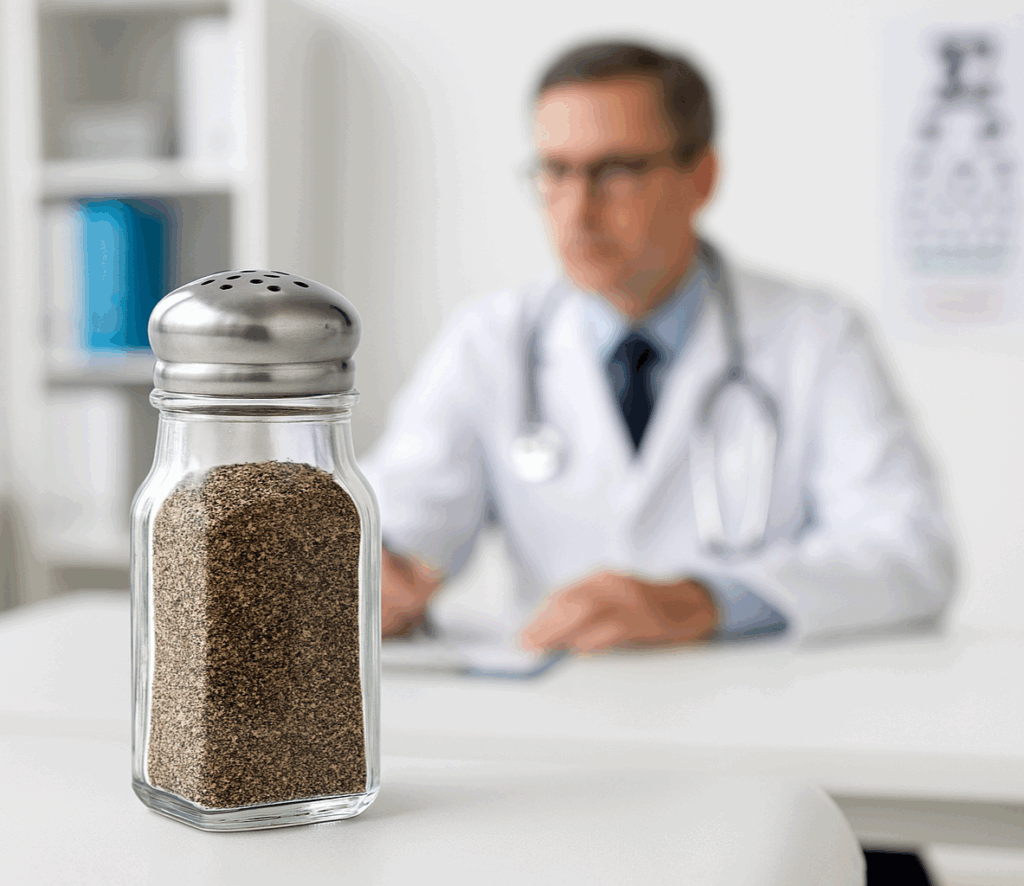
Have you ever wondered what are the health hazards of pepper?
Pepper—whether it’s the humble black pepper or fiery chili varieties—has been a kitchen staple for centuries. It adds depth, aroma, and heat to dishes, making food more exciting and flavorful. But while pepper is celebrated for its health benefits, like aiding digestion and boosting metabolism, it’s not all sunshine and spice. Overconsumption or sensitivity can lead to some surprising health hazards.
In this article, we’ll explore the potential health hazards of pepper, why moderation matters, and how to enjoy it safely.
Black pepper: Derived from dried peppercorns, rich in piperine.
Chili peppers: Packed with capsaicin, the compound responsible for heat.
White, green, and pink pepper: Variations of the same plant or similar species.
Both piperine and capsaicin have health benefits, such as antioxidant properties and improved nutrient absorption. However, these compounds can also irritate the body when consumed in excess.
1. Digestive Discomfort
One of the most health hazards of pepper is digestive irritation. Here’s why:
Heartburn and Acid Reflux: Capsaicin can relax the lower esophageal sphincter, allowing stomach acid to creep upward, causing that burning sensation.
Stomach Pain and Cramps: Overindulgence inflames the stomach lining, especially in people with gastritis or ulcers.
Diarrhea and Nausea: Spicy overload speeds up digestion, sometimes too much, leading to loose stools and discomfort.
Tip: If you have acid reflux or irritable bowel syndrome (IBS), go easy on the spice.
2. Mouth and Throat Irritation
Ever bitten into a chili that left you gasping for air? That burning sensation is capsaicin at work. While usually harmless, excessive pepper can cause:
Burning and swelling in the mouth
Coughing fits if pepper dust is inhaled
Throat irritation, which can be dangerous for people with asthma or respiratory conditions.
3. Allergic Reactions
Though rare, pepper allergies exist. Symptoms may include:
Hives or skin rashes
Swelling of lips and tongue
Severe cases: difficulty breathing (anaphylaxis)
If you suspect an allergy, consult a doctor immediately.
4. Medication Interactions
Piperine, the active compound in black pepper, can interfere with certain medications by altering how they are absorbed. This includes:
Blood thinners
Diabetes medications
Epilepsy drugs
Always check with your healthcare provider if you’re on medication and love pepper.
5. Fertility Concerns
Some studies suggest that excessive pepper intake may affect male fertility due to oxidative stress on sperm cells. While research is ongoing, it’s another reason to keep spice levels moderate.
6. High Capsaicin Risks
Consuming extremely spicy foods or concentrated chili extracts can cause:
Gastric mucosal damage
Circulatory issues like dizziness or blood pressure fluctuations
Severe nausea and vomiting
In rare cases, very high doses of capsaicin have been linked to heart rhythm disturbances.
7. Skin and Eye Irritation
Handling hot peppers without gloves can lead to painful burns on the skin. Touching your eyes afterward? A recipe for disaster. Always wash hands thoroughly after handling chili peppers.
How Much Is Too Much?
There’s no universal limit, but moderation is key. A pinch of black pepper or a few slices of chili in your meal is generally safe. Problems arise when:
You eat extremely spicy dishes daily.
You consume concentrated pepper extracts or supplements without guidance.
Tips for Safe Pepper Enjoyment
Start small: Gradually increase spice levels to build tolerance.
Pair with cooling foods: Yogurt, milk, or starchy sides can help.
Avoid if you have ulcers, IBS, or asthma.
Stay hydrated: Water won’t neutralize capsaicin, but milk or yogurt will.
Wash hands after handling peppers.
Health Hazards of Pepper: Bottom Line
Pepper is a culinary superstar with undeniable health perks, but it’s not risk-free. Overdoing it can lead to digestive distress, allergic reactions, and even medication complications. The key is balance—enjoy the flavor without turning every meal into a spice challenge.
So, next time you reach for that pepper grinder or chili flakes, remember: a little heat goes a long way.
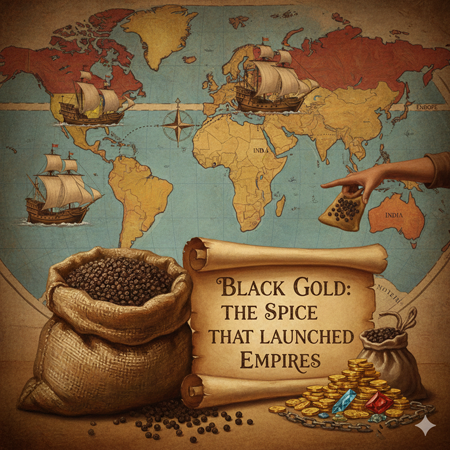
Black pepper has shaped human history in ways that seem almost unbelievable. Among the many real episodes tied to this spice, one of the most striking is the true story of how black pepper helped trigger the age of exploration, reshaping trade, global navigation, and entire empires.
The pepper problem of the 1400s
By the late Middle Ages, black pepper was one of the most coveted plant-based commodities in Europe. It was entirely vegan—just a dried fruit—but its value was astronomical. In some cities, peppercorns were literally used as rent payments and collateral. They were stored in locked chests, guarded like treasure.
Yet Europe had a major problem: they couldn’t get pepper directly.
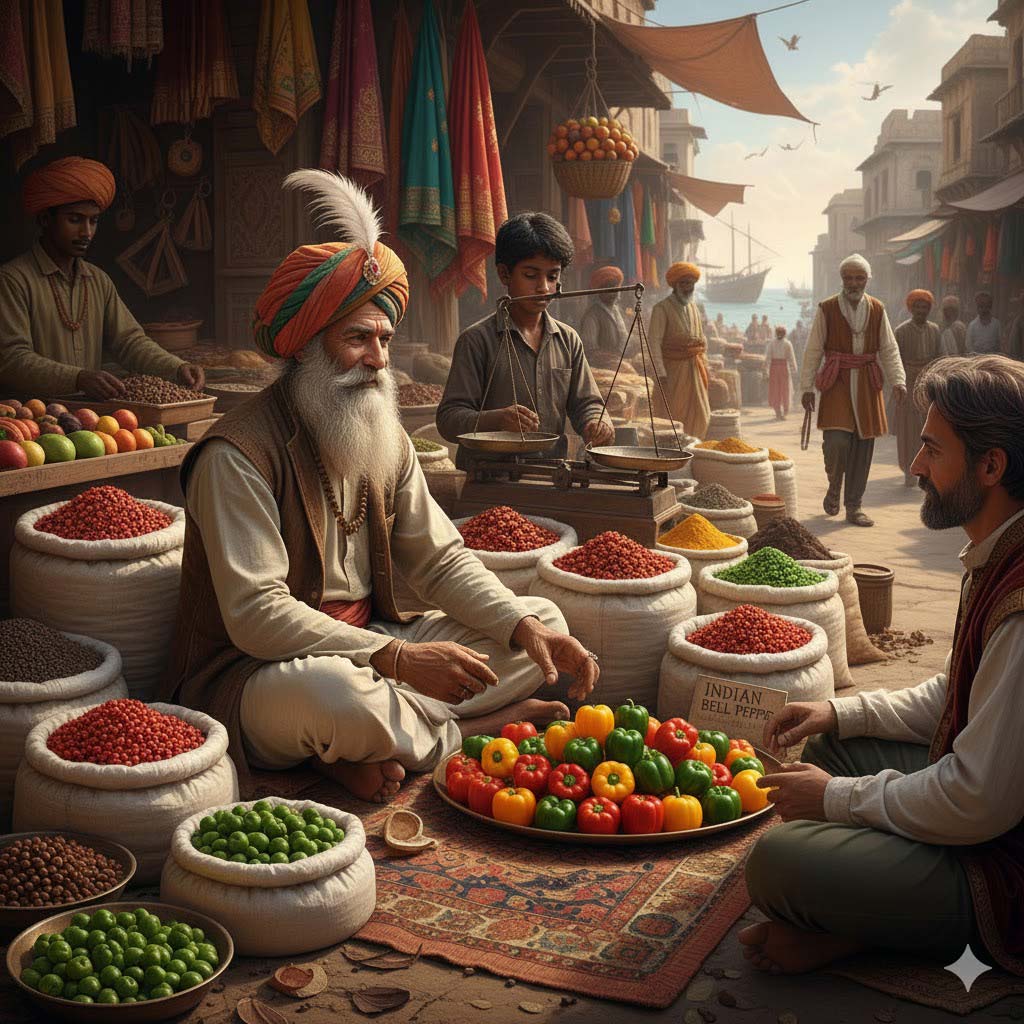
All pepper came from the Malabar Coast of India, and European merchants had to buy it through a chain of middlemen—Arab traders, Venetian shippers, and others along the route. Every time pepper changed hands, the price rose. By the 1400s, Venetians effectively held a monopoly over the spice in Europe.
This frustrated kingdoms like Portugal, who wanted direct access without paying Venice’s high markups.
A king obsessed with pepper
A very real historical figure, King Manuel I of Portugal, became especially fixated on breaking Venice’s stranglehold over the pepper trade. His treasury depended on it. Portuguese explorers had already inched down the African coastline, but no one had actually made it around Africa to India.
If they could reach India directly, pepper—and other spices—could be imported without intermediaries.
This goal was not about cuisine alone; pepper was used for medicine, preservation, perfumery, and even religious rituals. Control over pepper meant wealth and power.
The real voyage that changed everything (1497–1499)
In 1497, King Manuel sponsored a voyage that would permanently alter global history. He chose Vasco da Gama, a navigator from a noble but not wealthy family, to attempt a journey few believed possible: sail around the southern tip of Africa and reach India.
This wasn’t myth or embellishment—every stage of this expedition is documented in royal records and personal logs.
After an 11-month journey, braving scurvy, storms, desertion, and distrust in unfamiliar lands, da Gama reached Calicut (Kozhikode) on the west coast of India, the heart of the pepper trade.
Pepper was everywhere:
drying on rooftops
stacked in warehouses
sold in open markets
shipped by boatloads from nearby villages
Da Gama’s arrival marked the first time Europeans reached India by sea—a real, measurable turning point in world history driven largely by a desire for black pepper.
The return: a cargo worth more than its weight in gold
Da Gama left India carrying a modest amount of pepper and cinnamon (all vegan, all plant-based). But even this small shipment was extraordinary.
When he arrived back in Lisbon in 1499, his cargo generated a profit of over 60 times the expedition’s cost. This is not legend—these figures appear in Portuguese royal financial archives.
This moment proved that direct spice trade could transform a country. Portugal went from a minor kingdom to a global maritime power.
And it happened because of pepper.
Pepper’s ripple effects
The consequences of this real voyage are astounding:
1. The fall of Venice’s monopoly
Once Portugal had direct access to Indian pepper, Venice’s prices collapsed. Their centuries-long control evaporated almost overnight.
2. Portuguese colonies and trade networks
Portugal rapidly established forts and trading posts along the Indian Ocean, from Goa to Mozambique. This shaped politics, culture, religion, and migration in many regions—all originating from a pursuit of black pepper.
3. Global navigation techniques
The need for pepper-fueled exploration accelerated improvements in:
ship design
mapmaking
celestial navigation
These advances fueled later global voyages by Spain, the Netherlands, and England.
4. Cultural exchange (and conflict)
Because pepper was transported by sea, new routes linked continents that had previously been largely isolated from each other. These connections—sometimes beneficial, sometimes destructive—reshaped the world permanently.
The most surprising fact of all
Despite its huge impact, black pepper is just a dried fruit from the vine Piper nigrum. Yet this entirely plant-based ingredient:
drove empires to rise and fall
motivated dangerous ocean voyages
catalyzed scientific advancements
altered global trade forever
This is all historically true, fully documented in maritime logs, royal decrees, and spice-trade archives.
A ingredient that redirected history
People today often think of pepper as ordinary, but historically, it was anything but. It was powerful enough to alter economies, inspire exploration, and redraw global maps.
And astonishingly, this vast historical change came from something as small and simple as a peppercorn.
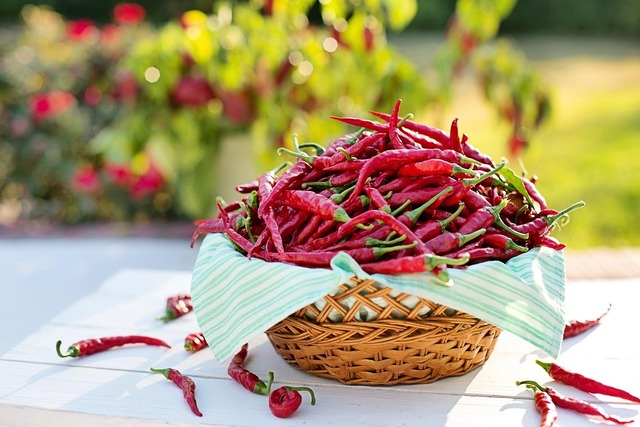
Few crops have shaped the world’s culinary landscape quite like the chilli pepper. Known for its fiery heat, vibrant colors, and rich cultural heritage, the chilli pepper has grown from a regional crop of the Americas to a global agricultural powerhouse. Today, it is a key ingredient in countless cuisines, a driver of agricultural innovation, and a booming economic sector with rising international demand. In this article, we explore the history of chilli peppers, where they are cultivated, and how they are consumed across the world.
A Fiery History: The Origins of Chilli Peppers
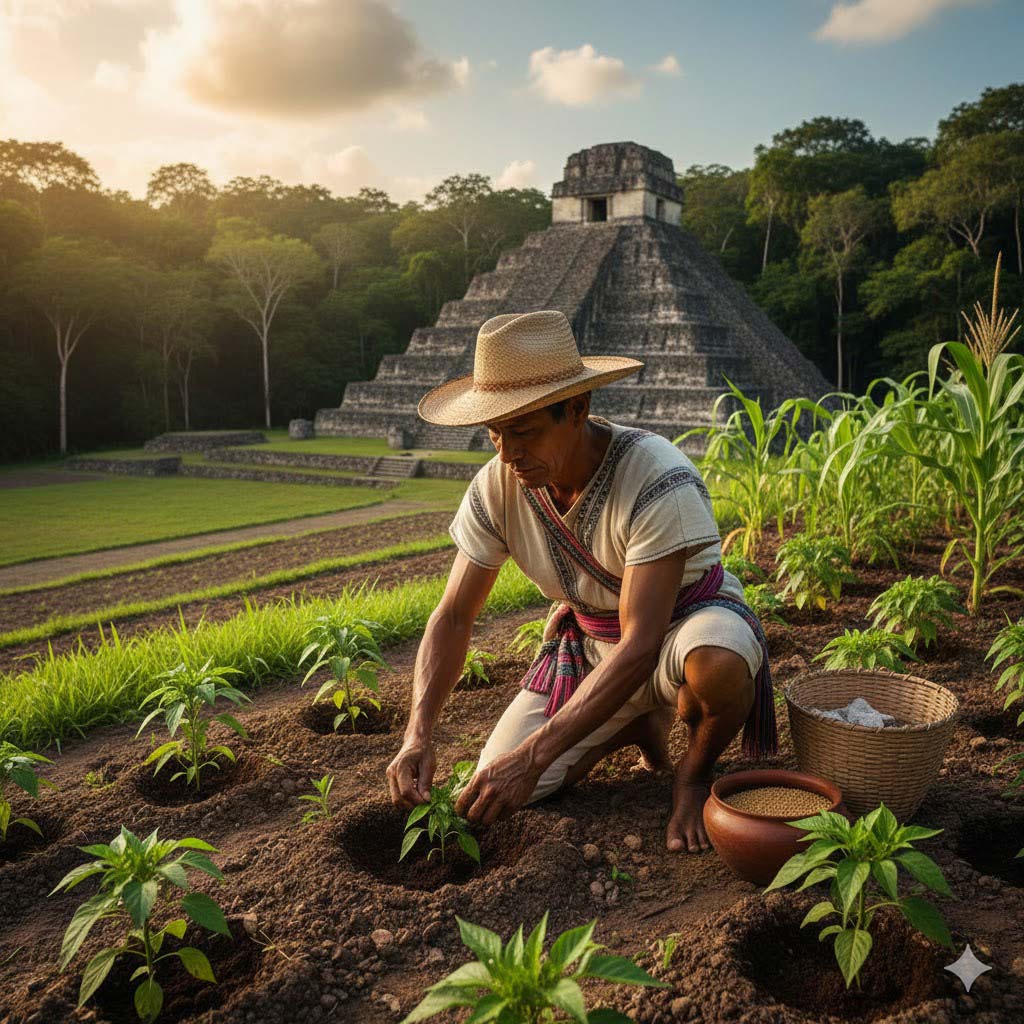
Chilli peppers belong to the Capsicum genus and trace their origins to Central and South America. Archaeological findings suggest that chilli peppers were domesticated over 6,000 years ago, making them one of the oldest cultivated crops in the region. Ancient civilizations—including the Maya, Aztecs, and Inca—incorporated chilli peppers into their daily diets, medicinal practices, and even religious rituals.
When Christopher Columbus arrived in the New World in the late 15th century, he encountered chillies and mistakenly associated them with black pepper, naming them “peppers.” Through European trade routes, chilli peppers quickly spread to Africa, Asia, and the Middle East. This global transfer, often referred to as the Columbian Exchange, transformed culinary traditions throughout the world.
Within just a few centuries, chilli peppers became central to the identity of multiple national cuisines:
India, where chillies now dominate the spice palette, received them only in the 16th century.
Thailand and China adopted them rapidly, integrating hot varieties into soups, stir-fries, and fermented sauces.
West African dishes flourished with the addition of local chilli hybrids.
Today, chilli peppers are grown across every continent except Antarctica and remain a symbol of cultural identity, culinary creativity, and agricultural resilience.
Where Chilli Peppers Are Planted: Major Growing Regions
Chilli peppers thrive in warm climates with plenty of sunlight, making them ideal for tropical and subtropical regions. More than 4 million hectares worldwide are dedicated to chilli cultivation—both for fresh peppers and dried varieties.
Below are the key global production zones:
1. Asia: The World’s Chilli Pepper Powerhouse
Asia is responsible for nearly 70% of global chilli production, with major producers including:
India
The world’s largest producer, consumer, and exporter of dried chillies. Indian states such as Andhra Pradesh, Telangana, and Karnataka dominate production. Popular varieties include Guntur, Byadgi, and Kashmiri chillies.
China
China specializes in both sweet peppers and hot chillies. Provinces like Sichuan, Henan, and Hunan are well-known for cultivating pungent varieties used in dried products, pastes, and powders.
Thailand
Famous for small, extremely hot peppers like Bird’s Eye chilli, Thailand plays a crucial role in supplying chilli pastes and sauces to global markets.
2. The Americas: The Birthplace of Chilli Pepper
As the homeland of chilli peppers, the Americas continue to be important producers.
Mexico
Home to an astonishing diversity of chillies—jalapeño, poblano, serrano, ancho, habanero, and more. Mexico produces chillies for domestic use and for export, especially to the United States.
Peru and Bolivia
Recognized as genetic hotspots for Capsicum, they produce unique varieties such as aji amarillo, rocoto, and aji limo, used in traditional cuisine and increasingly marketed abroad.
United States
States like California, Arizona, and New Mexico grow both fresh and dried chillies. The Hatch Valley is especially famous for its distinctive green chillies.
3. Africa: A Rapidly Growing Industry
African chilli production is expanding steadily, with smallholder farmers relying on chillies as a cash crop due to their high value and resistance to pests.
Major producing nations include:
Nigeria
Ghana
Ethiopia
Uganda
African countries are significant exporters of dried bird’s eye chilli, which is in high demand in Europe and Asia.
4. Europe: A Smaller but High-Quality Producer
Europe’s production volume is much smaller due to climate conditions, but several regions specialize in premium or specialty chillies.
Notable examples include:
Spain – producer of paprika (pimentón) and Padron peppers.
Hungary – famous for its sweet and hot paprika.
Italy – known for the Calabrian peperoncino.
Greenhouses across the Netherlands and Eastern Europe also support year-round cultivation of milder varieties.
Global Consumption: A Market Fueled by Flavor and Heat
The global chilli pepper market is estimated to be worth tens of billions of dollars, driven by increasing demand for spicy foods, ready-made sauces, health-conscious consumers, and cultural integration through migration.
Here’s how different regions consume chilli peppers today:
Asia: The World’s Largest Consumer Base
Asia leads in chilli consumption, with countries like India, Thailand, China, and South Korea integrating chillies deeply into daily meals.
India uses chillies in almost every dish, from curries to chutneys.
Korea relies on chillies for kimchi, gochujang, and spicy soups.
China—especially Sichuan and Hunan—embraces bold, numbing-hot flavours.
Chillies are consumed fresh, dried, smoked, fermented, or ground, making them extraordinarily versatile.
Latin America: Blending Tradition and Modernity
Chilli peppers are central to Latin American cuisine, not only as sources of heat but as contributors to flavor, color, and aroma.
Mexico uses chillies in salsas, moles, marinades, and street food.
Peru incorporates mild to medium-hot chillies in ceviche and stews.
Consumption is not solely about heat—it is about maintaining culinary tradition and cultural identity.
Africa: Spicy, Flavorful, and Growing Fast
In Africa, chillies are used in soups, stews, and sauces. Popular spicy dishes such as Nigeria’s pepper soup or Ghana’s shito rely heavily on local chilli varieties.
Consumption patterns are rising due to:
urbanization,
increasing income levels,
and the popularity of convenience foods.
Europe: A Region of Mixed Consumption
European chilli consumption varies widely:
Southern Europe enjoys traditional chilli-based products—paprika, dried peppers, pastes.
Northern and Western Europe have seen a surge in enthusiasm for hot sauces and spicy snacks, driven by younger consumers.
The United Kingdom, Germany, and the Netherlands are among Europe’s fastest-growing markets for chilli condiments.
North America: Hot Sauce Nation
The United States and Canada are major consumers of chilli peppers, especially in processed forms.
Key trends include:
rising popularity of hot sauces and salsas,
increased cultivation of specialty varieties like ghost pepper and Carolina Reaper,
and a vibrant chilli festival culture.
In fact, salsa sales in the U.S. have rivaled or surpassed ketchup in some years—a testament to the chilli’s cultural rise.
The Economic Impact of the Chilli Industry
The chilli pepper industry supports millions of farmers around the world. It contributes to national economies through:
a thriving cottage industry for artisanal chilli goods.
The rise of global trade and e-commerce has further boosted demand for specialty chillies and gourmet hot sauces.
Why Chillies Continue to Thrive: Health, Culture, and Innovation
Chilli peppers owe their longevity and global dominance to several factors:
1. Health Benefits
Chillies contain capsaicin, known for:
boosting metabolism,
reducing inflammation,
improving cardiovascular health.
They are also rich in vitamins A, C, and antioxidants.
2. Culinary Adaptability
Chillies can be used fresh, dried, smoked, fermented, pickled, or powdered. They adapt to everything from street food to fine dining.
3. Cultural Significance
From Mexico’s Day of the Dead to India’s Diwali feasts, chillies hold symbolic and ritual value.
4. Agricultural Appeal
Chillies are relatively easy to cultivate, have short growing cycles, and are resilient to pests and drought.
5. Global Food Trends
Consumers today show a strong preference for:
bold flavors,
ethnic cuisine,
plant-based foods,
health-conscious diets.
Chillies fit naturally into all these trends.
Conclusion: A Global Crop With a Spicy Future
From its ancient roots in the Americas to global dominance in the 21st century, the chilli pepper has become an essential ingredient in kitchens and economies around the world. Its history is rich, its cultivation widespread, and its consumption steadily increasing across every continent.
As consumer tastes evolve toward bolder, more adventurous flavors, the chilli pepper industry is poised for continued growth. Whether used in traditional dishes, gourmet creations, or innovative food products, chillies remain a powerful symbol of cultural identity and a thriving global agricultural commodity.
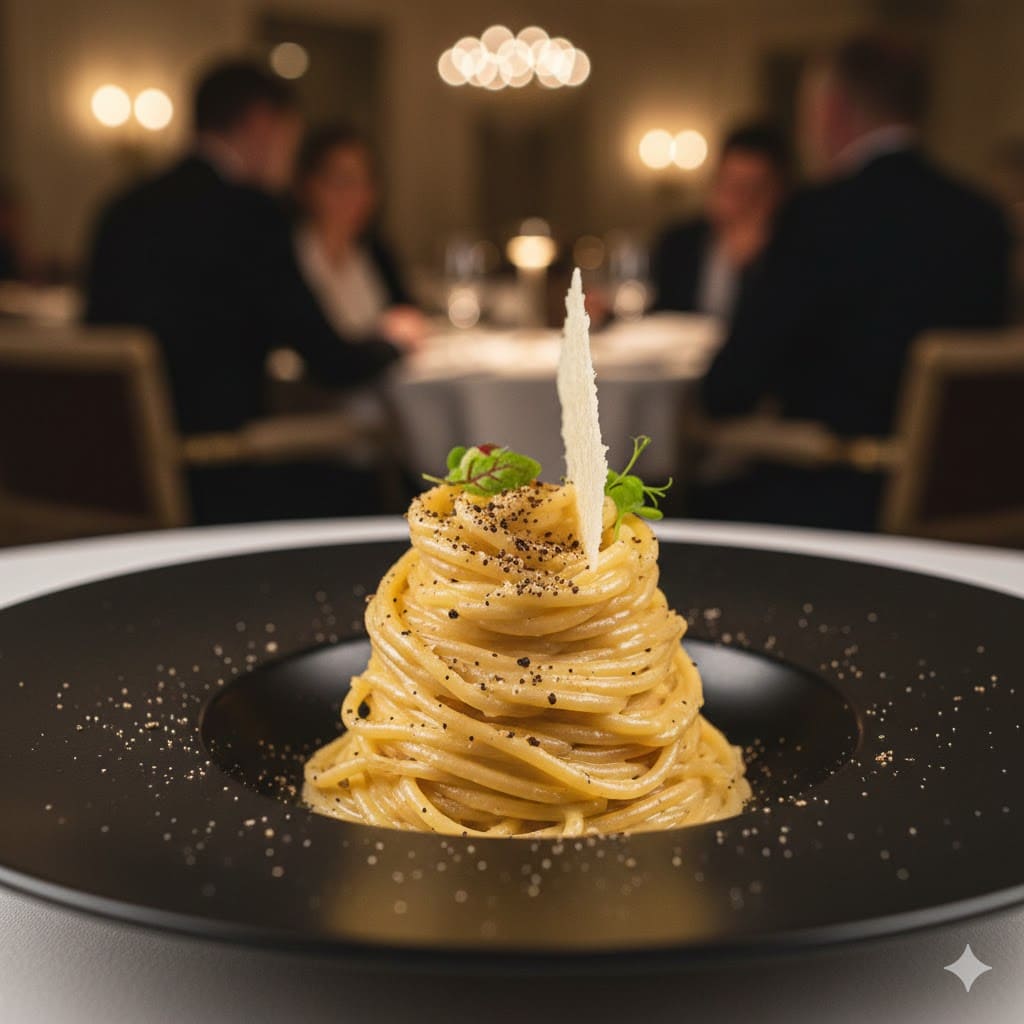
Cacio e Pepe: A Roman Classic Rooted in Ancient Peppers
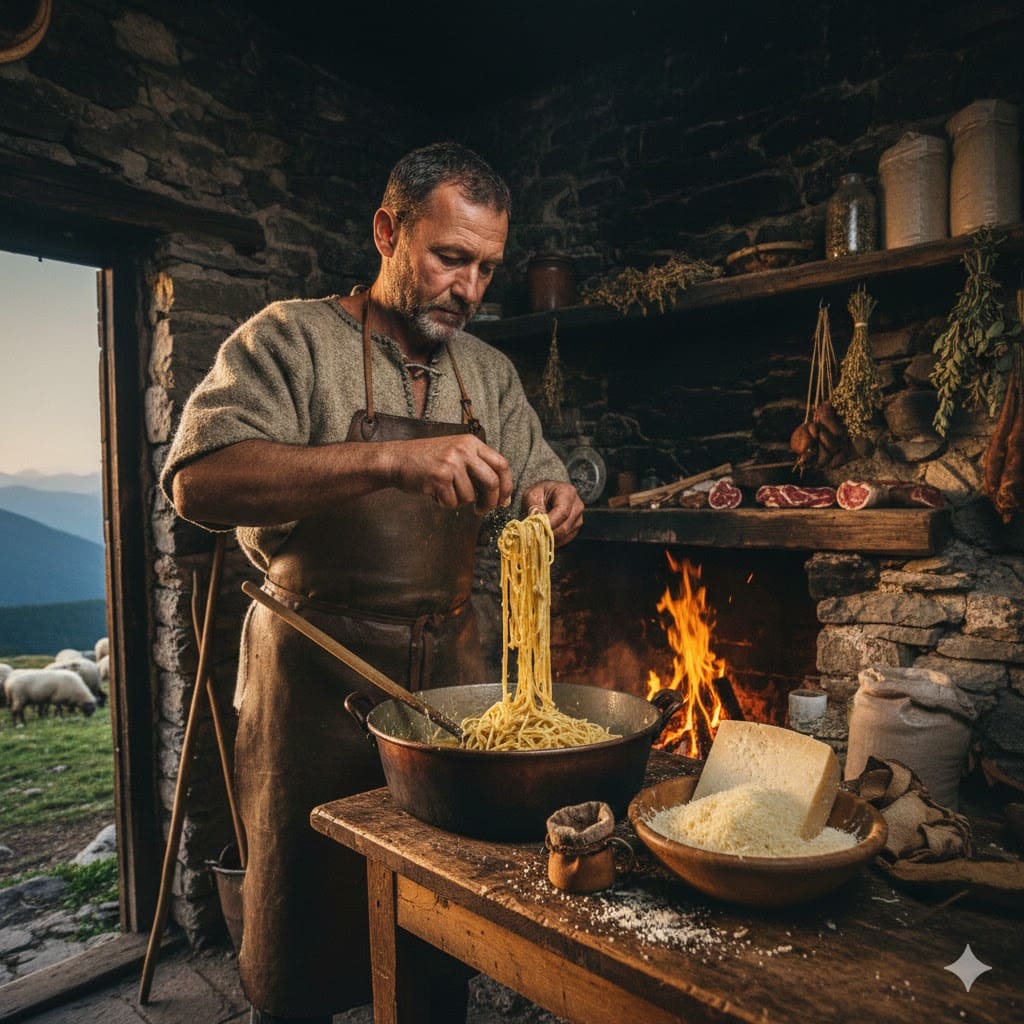
Few dishes capture the essence of Rome as perfectly as cacio e pepe. At first glance, it seems incredibly simple—pasta, aged Pecorino Romano, and black pepper. Yet this simplicity masks a rich history that connects the humble Roman dish to ancient peppers and centuries-old culinary traditions.
From Pastures to Plate: The Shepherds’ Legacy
The origins of cacio e pepe trace back to the shepherds of central Italy’s Apennines. During their seasonal transhumance, these shepherds needed meals that were durable, portable, and nourishing. They carried three essentials:
Dried pasta, which lasted long journeys
Pecorino Romano, a hard, calorie-rich cheese
Black pepper, a spice whose use dates back to ancient times
This last ingredient is particularly significant. The black pepper in cacio e pepe is a descendant of the ancient peppers traded across continents, highly valued in both medieval and Roman kitchens. Its warmth and pungency were perfect for shepherds enduring cold mountain nights, turning a luxury spice into a practical staple.
Cucina Povera: From Shepherds to Roman Tables
As shepherds moved through Lazio, their simple meals influenced local Roman cooking. By the Middle Ages, cacio e pepe had become a cornerstone of cucina povera, the “poor kitchen” of Rome. Its appeal lay in its simplicity: inexpensive ingredients, minimal preparation, and maximum flavor achieved through technique rather than cost.
The ancient peppers used in the dish were central to its identity, connecting rustic Roman cooking to centuries of spice trade. Pepper was once a luxury, symbolizing wealth and global connection; in cacio e pepe, it became a symbol of resourcefulness and ingenuity.
Technique: Elevating Ancient Peppers
While cacio e pepe contains only three ingredients, achieving the perfect creamy sauce requires skill. The trick lies in emulsifying Pecorino Romano with starchy pasta water and freshly cracked black pepper. This delicate process transforms simple ingredients into a smooth, flavorful sauce without butter or cream.
The ancient peppers—ground at the right time and mixed precisely—unlock the dish’s signature aroma and depth. Mastering this technique has been a mark of culinary expertise for generations of Roman cooks.
A Global Icon with Roots in Ancient Spices
For most of its history, cacio e pepe was a humble, everyday meal. Today, it is celebrated worldwide for its elegance and historical significance. Chefs around the globe admire the way ancient peppers and Pecorino Romano create a dish that is simple yet complex, rustic yet refined.
Even modern variations, such as freshly made tonnarelli or pepper-infused oils, honor the legacy of ancient peppers. Each bite connects diners to centuries of Roman kitchens, medieval spice traders, and shepherds traversing Italy’s mountains.
Why Cacio e Pepe Endures
Cacio e pepe endures because it embodies both simplicity and history. It celebrates the skill of transforming a few ingredients into something extraordinary, and it honors the ancient trade of peppers that brought exotic flavors to Roman tables.
It reflects survival and ingenuity, originating in shepherds’ need for practical, nourishing meals.
It showcases technique over extravagance, proving that mastery of basics creates remarkable taste.
It connects past and present, linking modern diners to centuries of culinary history through the pungent magic of ancient peppers.
A Timeless Taste of Rome
Whether served in a Roman trattoria or a home kitchen abroad, cacio e pepe reminds us that even the simplest ingredients—pasta, cheese, and ancient peppers—can tell the story of human creativity, trade, and tradition. Its enduring appeal lies in its paradoxical nature: a dish that is both humble and sophisticated, minimal and deeply flavorful.
By savoring cacio e pepe, we taste more than pasta—we taste a piece of history, flavored by the journey of ancient peppers across continents and centuries, now embedded forever in Roman culinary identity.
Crushed red pepper (often made from dried cayenne, chili flakes, and similar peppers) doesn’t just bring heat — it delivers vitamins, antioxidants, metabolic benefits, and supports overall health when used regularly and in moderation.
🌟 Key Health Benefits
1. Boosts Metabolism
Crushed red pepper contains capsaicin, the compound responsible for its heat. Capsaicin temporarily increases body heat production (thermogenesis), helping burn calories slightly faster. Regular consumption may help support weight management.
2. Rich in Antioxidants
It contains vitamin C, carotenoids, and flavonoids that help fight free radicals. Antioxidants support:
Healthy skin
Reduced oxidative stress
Stronger immunity
Anti-aging processes
3. Supports Heart Health
Capsaicin has shown potential to:
Improve blood circulation
Help lower LDL (“bad”) cholesterol
Support healthier blood vessel function
It may also help reduce plaque buildup over time, supporting long-term cardiovascular health.
4. Anti-Inflammatory Properties
Capsaicin may reduce inflammation by lowering the perception of pain in nerves. This is why pepper-based creams are sometimes used for joint or muscle pain relief.
5. Good for Digestion
Moderate use can stimulate saliva and gastric juices, improving digestion. It may:
Reduce bloating
Improve enzyme activity
Promote healthy gut bacteria
(Too much may irritate, so balance is key.)
6. Immune System Support
Crushed red pepper contains:
Vitamin A, important for mucosal barriers (eyes, lungs, gut)
Vitamin C, important for immune cell function
Together they help the body defend against infections and seasonal colds.
7. Better Blood Sugar Regulation
Capsaicin may help stabilize blood sugar by increasing insulin sensitivity. This is beneficial for preventing spikes after meals.
🧪 Nutritional Profile (Approx. per teaspoon)
Nutrient
Benefit
Vitamin A
Vision, immunity, tissue repair
Vitamin C
Immune health + antioxidant support
Vitamin B6
Brain function + energy metabolism
Potassium
Regulates blood pressure + hydration
Iron
Supports red blood cell production
Capsaicin
Metabolism + anti-inflammatory impact
Low-calorie, zero-fat, and nutrient-dense — a little goes a long way.
⚠️ Possible Side Effects & Precautions
Crushed red pepper is powerful — moderation matters, especially if you’re sensitive.
You may want to reduce/avoid if you have:
Acid reflux (may trigger heartburn)
Gastritis or stomach ulcers
IBS or digestive sensitivity
Hemorrhoids (can cause irritation)
Use carefully if pregnant, breastfeeding, or if taking blood-thinning medication — ask a doctor if unsure.
🌶 Recommended Daily Intake
There’s no strict limit, but ¼–1 teaspoon per day is generally safe for healthy adults. Increase slowly if you’re new to spicy food — capsaicin tolerance builds over time.
🥣 Best Ways to Use Crushed Red Pepper
Sprinkle on pasta, pizza, soups, eggs
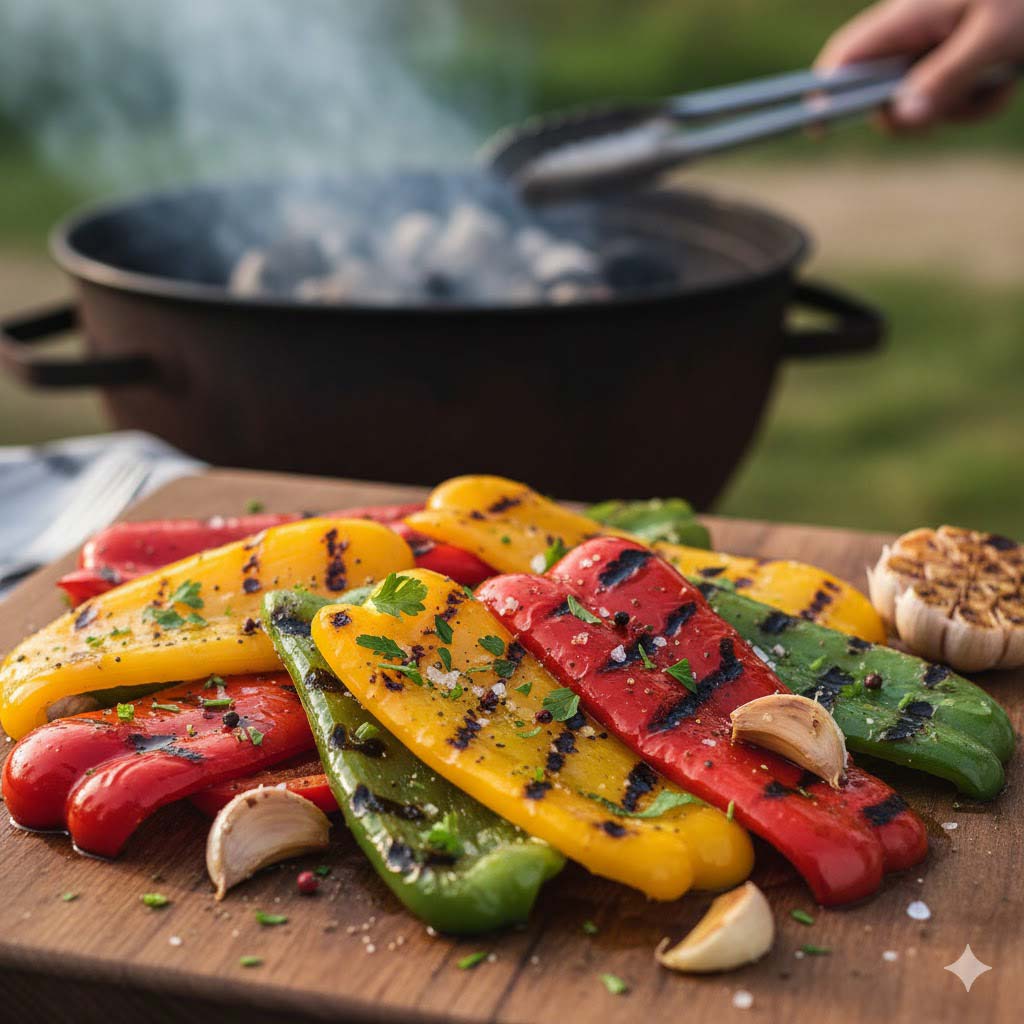
Add to stir-fries, roasted veggies, grilled meats
Mix into olive oil, dips, hummus
Use in marinades for extra heat + metabolism boost
Add to lemon water or tea very tiny amount — helps digestion and circulation
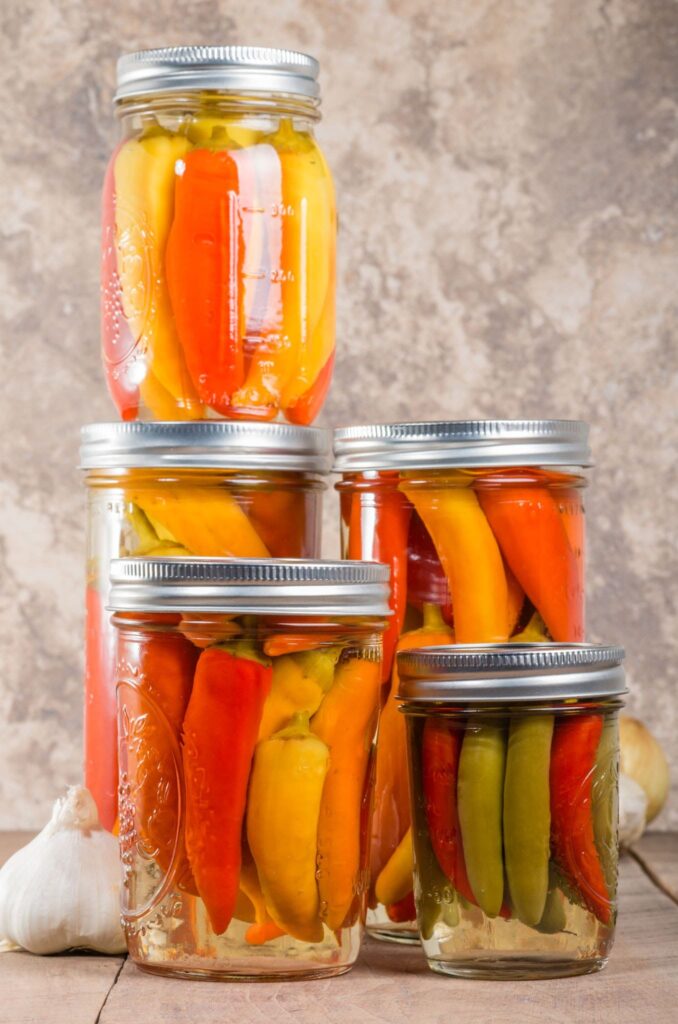
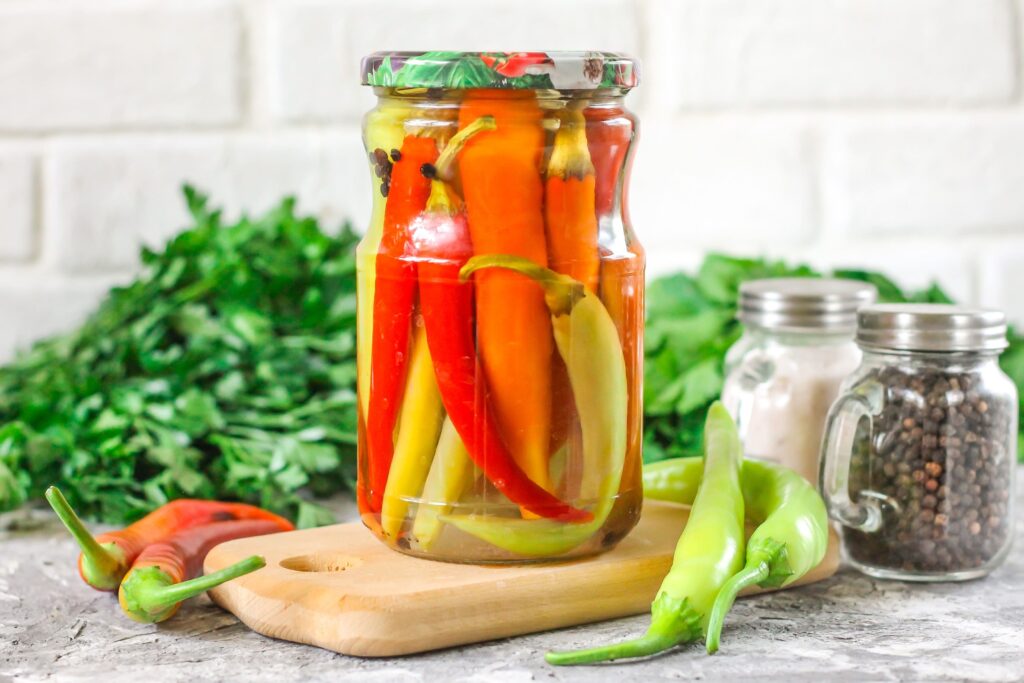
These refrigerator pickles are crunchy, tangy, and have a perfect balance of sweet and spicy. They are delicious on pizzas, sandwiches, tacos, or simply enjoyed as a sharp condiment.
1 pound (approx. 450 g) Peppers of your choice: A mix of Jalapeños (sliced into rings) and small sweet peppers or banana peppers (also sliced into rings) provides great color and heat variation.
2 cloves Garlic: Peeled and thinly sliced.
For the Brine
1½ cups (350 ml) White Distilled Vinegar (must be 5% acidity)
1½ cups (350 ml) Water
3 tablespoons Granulated Sugar (or maple syrup/agave for a more subtle taste)
1½ teaspoons Kosher Salt (or pickling salt)
Optional Flavorings (per jar)
½ teaspoon Red Pepper Flakes (for extra heat)
1 teaspoon Whole Black Peppercorns
1 Bay Leaf
½ teaspoon Mustard Seeds
Equipment
2 sterilized pint-size Mason jars (or canning jars) with lids
A medium, non-reactive saucepan (like stainless steel)
Heat-proof funnel
Instructions
1. Prepare Peppers and Jars
Sterilize Jars: Wash the glass jars and lids thoroughly. For sterilization, you can boil the jars in water for 10 minutes or run them through a high-temperature dishwasher cycle.
Slice Peppers: Slice into uniform rings (about 0.5 cm thick). To reduce heat, you can remove the membranes and seeds (wear gloves for handling hot peppers!).
Fill Jars: Divide the peppers evenly between the two sterilized jars. Add the sliced garlic and your chosen optional flavorings (peppercorns, bay leaf, etc.) to each jar.
2. Make the Brine
Combine Ingredients: Combine the vinegar, water, sugar, and salt in the saucepan.
Boil: Bring the mixture to a rolling boil over medium-high heat, stirring until the salt and sugar are completely dissolved. Turn off the heat immediately once it boils.
3. Brine and Seal
Pour Brine: Place the funnel on the jars and carefully pour the hot brine over the peppers, ensuring they are fully submerged. Leave about a ¼-inch (approx. 0.5 cm) headspace at the top.
Remove Bubbles: Gently tap the jars on the counter to release any trapped air bubbles. Add a little more brine if necessary to maintain the headspace.
Seal: Wipe the rims of the jars clean, place the lids, and screw on the rings until fingertip tight.
4. Chill and Cure
Cool: Allow the jars to cool completely to room temperature on the counter.
Refrigerate: Once cooled, transfer the jars to the refrigerator.
When are they ready? They are ready to eat after just 8 hours, but the flavors will be best after a minimum of 24 hours of chilling. Storage: These pickled peppers will keep well in the refrigerator for 2–3 months.
Health Benefits of Pickled Peppers
While enjoying the delicious crunch and tang of pickled peppers, you also benefit from several healthy properties derived from the peppers themselves and the pickling process:
Capsaicin Power: Chili peppers (such as Jalapeños) are rich in capsaicin, the compound responsible for their heat. Capsaicin is a known powerhouse that can temporarily boost metabolism and may possess anti-inflammatory and pain-relieving properties.
Rich in Antioxidants: Peppers are naturally packed with Vitamin C and various antioxidants (like Vitamin A). Although some nutrients diminish during the heat of the pickling process, many antioxidants remain to help combat free radicals in the body.
Vinegar’s Role in Digestion: The acetic acid in the vinegar has been studied for its potential to help regulate blood sugar levels and improve insulin sensitivity, particularly when consumed with meals.
Low-Calorie Flavor: They add intense flavor and heat to meals for very few calories, making them an excellent way to spice up healthy but simple dishes without relying on added fats or heavy sauces.
Black pepper (Piper nigrum) is one of the world’s most traded spices and a cornerstone of global cuisine. Its cultivation depends on specific environmental conditions: warm tropical climates, abundant rainfall, fertile soils, and steady humidity. While many countries grow pepper, only a few consistently deliver the volume and quality that shape the global market. Below are the top countries renowned for producing the finest black pepper.
🇮🇳 1. India — The Historic Heartland of Black Pepper
India is considered the birthplace of black pepper, historically known as “black gold” along ancient spice routes. The southern states—Kerala, Karnataka, and Tamil Nadu—offer ideal growing conditions: fertile laterite soils, high humidity, and elevated terrain.
Why India excels:
Optimal tropical climate with monsoon rains
Rich biodiversity that favors pepper vines
Traditional knowledge passed down through generations
Indian black pepper, especially the Malabar and Tellicherry varieties, is prized for its strong aroma and high piperine content.
🇻🇳 2. Vietnam — The World’s Leading Pepper Producer
Vietnam dominates global black pepper production, contributing more than a third of the world’s supply. Key growing regions include Dak Lak, Gia Lai, and Ba Ria–Vung Tau, known for their basaltic soils and tropical climate.
Why Vietnam leads:
High-yield cultivation techniques
Large-scale, efficient farming
Robust export infrastructure
Vietnamese pepper typically has a sharper flavor profile and competitive pricing, making it a global commercial favorite.
🇮🇩 3. Indonesia — Home of the Famous Lampung Pepper
Indonesia is another powerhouse, with pepper farms concentrated in Lampung (Sumatra) and Bangka Belitung. The country is known for producing both black and white pepper.
Why Indonesia stands out:
Volcanic soils rich in minerals
Long-standing pepper-growing tradition
Distinctive smoky, earthy flavor
Lampung black pepper is one of the most exported varieties, valued for its bold and slightly woody taste.
🇧🇷 4. Brazil — A Rising Giant in Pepper Cultivation
Brazil is the largest pepper producer in the Western Hemisphere, especially in the regions of Pará and Espírito Santo. The country’s tropical climate and extensive agricultural research have boosted both production and quality.
Why Brazil performs well:
Advanced agricultural technology
Vast land suitable for large-scale cultivation
Consistent climate conditions
Brazilian pepper tends to be clean, flavorful, and high in essential oils.
🇱🇰 5. Sri Lanka — Known for Premium Ceylon Pepper
Sri Lanka produces some of the world’s most aromatic pepper, often marketed as Ceylon Pepper. The central and southern regions, such as Matale and Kandy, offer fertile soils and ideal humidity.
Why Sri Lanka shines:
High-oil-content berries
Sustainable and organic farming practices
Naturally superior aroma and flavor complexity
Though produced in smaller quantities, Sri Lankan pepper commands premium prices in international markets.
🇲🇾 6. Malaysia — A Boutique Producer with High-Quality Varieties
Malaysia, especially the state of Sarawak, is known for producing distinctive pepper varieties like Sarawak Black and Sarawak Creamy White pepper.
Why Malaysia is notable:
Specific microclimates that enhance flavor
Strict quality control and grading systems
Mildly spicy, fruity flavor profile
Sarawak pepper has earned a Protected Geographical Indication (PGI) status, highlighting its global prestige.
Conclusion
The success of black pepper cultivation hinges on tropical climates, fertile soils, and dedicated agricultural practices. Countries like India, Vietnam, Indonesia, Brazil, Sri Lanka, and Malaysia have mastered these conditions, each producing pepper with unique characteristics that cater to different markets and culinary needs.
Whether you’re looking for the bold heat of Vietnamese pepper, the aromatic elegance of Indian Tellicherry, or the refined quality of Sarawak pepper, the global pepper belt offers diverse flavors rooted in centuries of tradition and innovation.
If you’ve ever yearned for a dip that is luxurious, smoky, and explosively flavorful, then Mohammara is about to steal your heart. Originating from the Levant, particularly the Syrian city of Aleppo, this vibrant red dip combines roasted sweet peppers, toasted walnuts, and a gentle heat from Aleppo chili to create a culinary masterpiece. Whether served as an appetizer, a spread for warm bread, or a condiment alongside grilled meats, Mohammara is a culinary revelation that elevates any meal. Today, we’ll explore a recipe that turns simple ingredients into a gourmet experience, celebrating the sweet and smoky allure of bell peppers.
Ingredients You’ll Need
For this recipe, we’re blending a handful of Mediterranean treasures into a dip that balances sweetness, spice, and richness. Here’s what you’ll need:
3 large red sweet peppers – roasted until their skins blister and char for a smoky depth
1 cup walnuts – lightly toasted to unlock their nutty aroma
1/4 cup breadcrumbs – preferably from crusty artisan bread for texture
2–3 tablespoons pomegranate molasses – the secret to that tangy-sweet punch
1–2 cloves garlic – finely minced or roasted for mellow warmth
1 teaspoon Aleppo chili flakes – optional, but essential for authentic warmth
1/2 teaspoon smoked paprika – enhances the smoky undertones
1/4 teaspoon ground cumin – earthy and grounding
3 tablespoons extra virgin olive oil – rich, fruity, and golden
Salt to taste – the enhancer of flavors
Juice of half a lemon – for a bright, citrusy finish
Optional garnish: pomegranate seeds, extra walnuts, drizzle of olive oil
Power tip: For a smoother, creamier Mohammara, you can soak the walnuts in warm water for 10 minutes before blending.
Step 1: Roast the Sweet Peppers
Roasting sweet peppers is the heart of this recipe—it’s where the magic begins. The skins blister, the flesh softens, and the natural sugars caramelize, creating that deep, seductive flavor that makes Mohammara irresistible.
Preheat your oven to 220°C (425°F).
Place the sweet peppers on a baking sheet lined with parchment paper. Roast for 25–30 minutes, turning occasionally, until the skins are charred and wrinkled.
Once roasted, place the sweet peppers in a bowl and cover with plastic wrap for 10 minutes. This steaming process loosens the skins, making peeling effortless.
Peel off the skins, remove seeds, and roughly chop the flesh.
Pro tip: Don’t rinse the peppers—keep the juices for extra flavor.
Step 2: Toast the Walnuts
Walnuts bring a luxurious richness and subtle crunch to Mohammara. Toasting them releases oils and deepens their flavor.
Heat a dry skillet over medium heat.
Add walnuts and toast for 5–7 minutes, shaking frequently to prevent burning.
Let them cool slightly before blending.
Flavor hack: A light pinch of salt while toasting can enhance the nutty aroma.
Step 3: Blend the Magic
Now comes the fun part—transforming humble ingredients into a gourmet dip.
In a food processor, combine the roasted sweet peppers, toasted walnuts, breadcrumbs, garlic, Aleppo chili flakes, smoked paprika, and ground cumin.
Pulse until the mixture begins to form a coarse paste.
Slowly add pomegranate molasses, lemon juice, and olive oil, blending until smooth. Adjust the seasoning with salt and more chili if desired.
Texture tip: For a chunkier, rustic Mohammara, pulse less frequently. For a silky, spreadable dip, blend longer.
Step 4: Taste and Adjust
This is where your taste buds take center stage. Mohammara should hit all the right notes: sweet, smoky, nutty, and slightly tangy with a gentle fiery kick.
If it’s too thick, add a teaspoon of water or extra olive oil.
If it’s too tangy, a drizzle more of pomegranate molasses will balance it.
For extra depth, a dash of smoked paprika or even a touch of chili oil can intensify the flavor.
Step 5: Serve and Garnish
Presentation is everything. Serve Mohammara in a shallow bowl, and let its vibrant red hue shine. Drizzle a bit of olive oil on top, sprinkle with chopped walnuts, and scatter a few pomegranate seeds for a burst of color and freshness.
Serving ideas:
Spread on warm pita or flatbreads
Pair with grilled lamb, chicken, or fish
Serve as part of a meze platter with hummus, baba ganoush, and tabbouleh
Use as a sandwich spread or toast topper
Pro tip: Mohammara tastes even better after a few hours in the fridge—flavors meld and intensify, creating a bold, irresistible dip.
Why This Dip is Legendary
Mohammara is more than just a dip—it’s a culinary journey. Every bite captures the smoky warmth of roasted sweet peppers, the earthy richness of walnuts, and the tangy sweetness of pomegranate molasses. This dish embodies the spirit of the Levant, where spices, nuts, and fresh produce collide to create extraordinary flavors.
Unlike everyday condiments, Mohammara carries history, culture, and story in every spoonful. It’s bold, fiery, and luxurious—all at once.
Tips for the Perfect Sweet Pepper Mohammara
Choose ripe red sweet peppers for natural sweetness and depth.
Roast, don’t boil—the smoky char transforms the flavor.
Use freshly toasted walnuts—stale nuts can make the dip bitter.
Pomegranate molasses is key—it’s the secret ingredient that gives Mohammara its signature tang.
Adjust the heat—Aleppo chili flakes provide warmth without overwhelming the sweet and nutty flavors.
Make ahead—Mohammara improves after a day in the fridge, making it ideal for entertaining.
Storage and Shelf Life
Store Mohammara in an airtight container in the refrigerator for up to 5–7 days. The flavors continue to intensify over time, so it’s perfect for meal prep or for making ahead for a dinner party. For longer storage, you can freeze Mohammara in small portions—thaw and stir before serving.
A Celebration of Flavor
Every spoonful of this red, velvety dip tells a story—from the sun-drenched fields of Aleppo to your kitchen table. Mohammara is proof that simple ingredients can create extraordinary experiences, and that bell peppers, walnuts, and spices are more than just food—they’re history, culture, and passion, all blended into one unforgettable bite.
Try it today: spread it on bread, dollop it alongside grilled meats, or enjoy it straight from the bowl. Mohammara is bold, beautiful, and unapologetically flavorful—a dip that transforms every meal into a Mediterranean celebration.
Our Pepper Fun WordPress blog shares a vibrant collection of pepper-focused recipes, created by contributors from different parts of the world. From Mediterranean classics to Middle Eastern favourites and global comfort food, the blog celebrates bold flavours, diverse cuisines, and creative ways to cook with sweet bell peppers and chilli peppers. Lebanese Moussaka is a flavourful plant-based dish that you can enjoy it warm or cold.
Black pepper wasn’t just a spice—it was once a form of currency. In medieval Europe, debts were settled and dowries paid in peppercorns. By the 15th century, it dominated the global spice trade, making up nearly 90% of its volume. Italian city-states like Venice and Genoa controlled the lucrative trade routes from Asia, raking in massive profits amid fierce competition.
A Spice Worth Its Weight in Gold
Freshly Picked Black pepper.
As botanist Todd Brethauer notes in Encyclopædia Britannica, pepper’s ubiquity today hides a dazzling past. “When I’m talking about pepper,” he explains, “I mean the pepper on the kitchen table in hundreds of millions of homes around the world. We don’t even think about it, it’s so common. Five hundred years ago it was worth its weight in gold.”
Indeed, black pepper wasn’t just valuable—it was a form of currency. In medieval Europe, debts were paid and dowries exchanged in peppercorns. In the 15th century, it dominated the global spice trade, accounting for roughly 90 percent of its volume. Italian city-states like Venice and Genoa maintained lucrative monopolies by controlling the routes that brought pepper from Asia into Europe. The profits were astronomical, and the competition was ruthless.
So precious was the spice that dockworkers and sailors who handled pepper shipments often had their pockets sewn shut to prevent theft. Its allure wasn’t just culinary—it represented wealth, power, and access to the farthest reaches of the known world.
The Quest for Pepper and the Age of Exploration
Pepper’s overwhelming economic pull reshaped global history. The desire to bypass Italian and Arab middlemen in the spice trade inspired some of the most consequential voyages of the Age of Exploration.
In 1492, the same year Columbus set sail west under the patronage of Ferdinand and Isabella of Spain, the spice trade was at its peak. Spain wanted its share of the immense profits being reaped by Portuguese and Italian traders who controlled the eastern sea routes to Asia. Although Columbus never reached India, his journey—sparked in large part by Europe’s hunger for spices—opened the door to centuries of transoceanic exploration, colonization, and trade.
A few years later, Portuguese explorer Vasco da Gama successfully reached India by sailing around the Cape of Good Hope. His 1498 voyage directly linked Europe to the Malabar Coast, the homeland of black pepper, forever altering global commerce. What began as a search for a condiment became the foundation for a global economy.
The Vine That Launched Empires
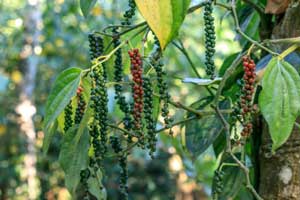
Black pepper plants.
Pepper originates from the vine Piper nigrum, native to the southwestern coast of India, particularly the lush Western Ghats in the modern state of Kerala. There, the climate—humid, tropical, and rich in biodiversity—creates the perfect environment for pepper vines to flourish.
Each vine produces slender spikes, each holding up to a hundred tiny flowers. Over eight months, these flowers develop into green berries. Farmers harvest them just before they ripen, then dry and ferment them in the sun for four or five days. As they dry, the skin and pulp shrink and cling to the seed inside, turning dark and wrinkled—the familiar black peppercorn of commerce.
This process, largely unchanged for thousands of years, produces a spice both fiery and aromatic. The sharpness of pepper comes from piperine, an alkaloid that makes up between 5 and 10 percent of the dried pepper by weight. It’s piperine that tingles on the tongue and awakens the palate.
The Chemistry of Flavor
Black pepper combined with Ginger.
What makes black pepper’s flavor so complex and enticing isn’t just its heat—it’s also its bouquet of terpenes, a class of organic compounds that form the backbone of much of plant chemistry. As Brethauer explains, terpenes are built from a simple five-carbon unit called isoprene, and the way these units are linked together determines the resulting aroma and color.
Two linked isoprene units create limonene, the citrus scent found in lemons. Three form compounds that give ginger its warmth. Chain together eight, and you begin to produce the pigments that color carrots, tomatoes, and watermelons. Within pepper, a rich mix of terpenes interacts with piperine to create a full spectrum of aromas—woody, floral, and slightly citrusy—all released when the peppercorn is cracked open or ground fresh.
This remarkable chemistry explains pepper’s enduring appeal: it doesn’t merely add heat; it deepens flavor. That complexity made it irresistible to cooks from ancient Rome to Renaissance Europe, and it continues to enhance cuisines around the world today.
From Ancient Luxury to Everyday Table
Archaeological and textual evidence suggests that black pepper has been traded from India to the Middle East for at least 3,000 years. Egyptians used it in mummification rituals; peppercorns were found in the nostrils of Pharaoh Ramses II. In classical Rome, pepper symbolized refinement and excess—Pliny the Elder once grumbled that the Empire was being “drained of its wealth” to satisfy the craving for exotic spices.
By the Middle Ages, the priceless spice had become synonymous with wealth. To “pepper” a dish was to elevate it to luxury status. Yet over the centuries, as global trade routes expanded and colonial plantations spread across Asia, Africa, and eventually the Americas, pepper became increasingly affordable.
By the 18th century, the once-priceless spice had become a universal condiment. Its democratization marked one of the great culinary equalizers in history. What had been an indulgence of emperors and merchants became a basic seasoning for households worldwide.
Pepper Today
Today, black pepper remains the world’s most traded spice. The leading producers—Vietnam, India, Indonesia, and Brazil—supply millions of tons annually. Its uses extend beyond cooking; it plays a role in traditional medicine, food preservation, and even perfumery.
Despite modern abundance, pepper retains a hint of its ancient prestige. It’s a symbol of the global connections that flavor our food and our history—a reminder that something as small as a wrinkled seed once powered empires, inspired explorers, and transformed the world’s palate.
Conclusion
From its roots on the Malabar Coast to dinner tables in every corner of the globe, the legendary black pepper has lived many lives: sacred offering, luxury good, global currency, and now everyday seasoning. Its story is the story of globalization itself—a tale of curiosity, commerce, and chemistry.
The next time you twist a pepper mill, you’re not just seasoning your meal. You’re participating in a 3,000-year-old tradition, continuing the legacy of the tiny spice that helped shape the modern world.
Bell peppers, also known as sweet peppers or capsicums, are one of the most colorful and versatile vegetables in the world. Despite their association with Mediterranean cuisine today, bell peppers actually originate from the Americas. Archaeological evidence suggests that they were first cultivated in Central and South America over 6,000 years ago. Ancient civilizations like the Aztecs and Mayans grew a variety of peppers, using them not only for food but also for medicinal and ceremonial purposes.
The word “capsicum” comes from the Greek word kapto, meaning “to bite,” reflecting the pepper’s pungent flavor in its wild forms. Spanish explorers brought bell peppers to Europe in the 15th and 16th centuries, where they quickly became popular in kitchens across Spain, Italy, and the Balkans. Unlike their hotter relatives, bell peppers were valued for their sweet flavor, vibrant colors, and versatility in cooking.
Over time, bell peppers were selectively bred to enhance their sweetness and reduce bitterness. This selective cultivation led to the wide variety of colors we see today, from green to red, yellow, orange, and even purple. Each color represents a different stage of ripeness or a distinct cultivar, giving cooks and chefs a palette of flavors and textures to experiment with.
Bell peppers also spread to Asia and Africa, becoming integral ingredients in numerous regional cuisines. In India, they are often used in curries and stir-fries, while in China they are a staple in stir-fried dishes with meat or tofu. Their mild taste and nutritional value, rich in vitamins A and C, have contributed to their global popularity.
Today, bell peppers are cultivated worldwide and enjoyed in countless recipes, from salads and pasta to roasted dishes and stuffed peppers. Their journey from ancient American fields to modern kitchens illustrates not only the adaptability of this vegetable but also the rich history of human cultivation and culinary innovation. Bell peppers remain a symbol of color, flavor, and cultural exchange in the global culinary landscape.