1. Black Pepper vs Chili Pepper: Advice that blow your mind

At first glance, black pepper and chili pepper seem like close relatives. Both can add heat to food, both are called “pepper” and both have become essential ingredients in cuisines around the world.

But there is an important difference: black pepper and chili peppers do not come from the same plant family.

Black pepper comes from Piper nigrum, while chili peppers belong to the genus Capsicum. Their similarities are mainly culinary and historical rather than botanical.

So why do we call both of them pepper?

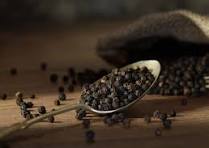
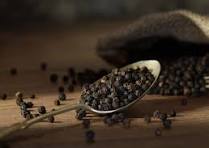
Black pepper comes from peppercorns

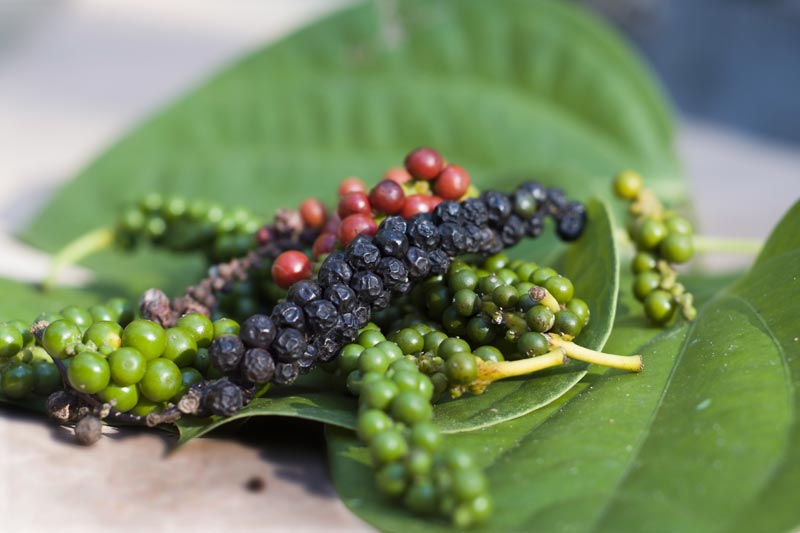
True black pepper comes from the berries of Piper nigrum, a climbing flowering vine historically associated with India’s Malabar Coast.

The familiar black peppercorn is produced by harvesting the berries and processing them so that they develop their characteristic dark, wrinkled appearance.

Interestingly, black pepper is not the only peppercorn produced by Piper nigrum. Black, white, green and red peppercorns can all originate from the same plant, with their differences largely resulting from harvesting and processing methods.

Black pepper’s characteristic pungency comes primarily from piperine, a compound that gives it its distinctive warm, sharp sensation.

Chili peppers belong to a different plant group

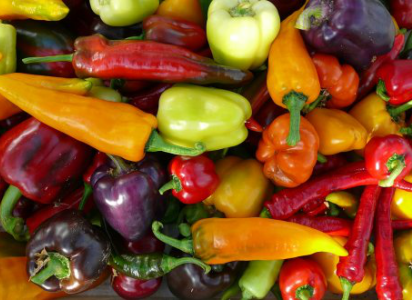
Chili peppers belong to the genus Capsicum, which includes many familiar varieties such as jalapeños, cayenne peppers and numerous sweet and hot peppers.

Unlike black pepper, chili peppers can range from very mild to extremely hot.

Their characteristic heat comes primarily from capsaicinoids, especially capsaicin.

This means that the sensation produced by a chili pepper is chemically different from the pungency of black pepper.

Black pepper vs chili pepper: the key differences

FeatureBlack pepperChili pepper
Botanical sourcePiper nigrumCapsicum species
What is used?Peppercorn/berryFruit
Main pungent compoundPiperineCapsaicin and related capsaicinoids
Typical flavourWarm, woody, aromatic and sharpFruity, vegetal, smoky or earthy depending on variety
HeatGenerally moderateRanges from very mild to extremely hot
Common formsWhole peppercorns, cracked, groundFresh, dried, flakes, powder, sauces
Typical roleSeasoning and aromaHeat, flavour and seasoning

Why do both have the name “pepper”?

The shared name has a fascinating history.

When European explorers encountered chili peppers in the Americas, they were already familiar with black pepper and were searching for valuable spices. Because the new fruits had a pungent taste, they became associated with the pepper that Europeans already knew.

The name eventually stuck.

This is why two botanically unrelated plants can both be described as peppers today. PepperFun has explored this linguistic and culinary confusion before, and it is one reason the word “pepper” can refer to several very different ingredients.

How does black pepper taste?

Black pepper is more than heat.

Freshly ground black pepper can contribute a combination of warmth, pungency and aroma. Depending on the pepper and how it is processed, you may notice earthy, woody, floral or slightly citrus-like characteristics.

That complexity is one reason black pepper works in such a wide range of dishes.

It can season a steak without making it taste overwhelmingly spicy. It can add depth to tomato sauce, enhance a creamy pasta dish or provide contrast to vegetables.

How does chili pepper taste?

Chili peppers vary enormously.

Some varieties are primarily fruity and aromatic, while others may be smoky, earthy, sweet or vegetal. Their heat can also range from barely noticeable to intensely fiery.

This makes chili peppers particularly versatile for people who want to control both flavour and heat.

For example, a mild chili can provide colour and fruity flavour without overwhelming a dish, while a hotter variety can become the defining feature of the meal.

Can you use black pepper and chili pepper together?

Absolutely.

In fact, combining them can create a more complex spicy profile.

Black pepper can contribute aromatic warmth and pungency, while chili pepper adds a different type of heat. Used carefully, the two can complement each other rather than simply making a dish hotter.

Try the combination in:

  • Stir-fries
  • Roasted vegetables
  • Marinades
  • Spicy soups
  • Pasta sauces
  • Grilled meat
  • Spiced legumes
  • Homemade spice blends

The important thing is balance. Adding more pepper is not necessarily the same as adding more flavour.

Which pepper should you choose?

Choose black pepper when you want:

  • Warmth and aroma
  • A classic savoury seasoning
  • Fresh peppery fragrance
  • A finishing spice for pasta or meat
  • Subtle complexity without extreme heat

Choose chili pepper when you want:

  • Noticeable heat
  • Fruity or smoky pepper flavour
  • Different levels of spiciness
  • A distinctive regional character
  • Fresh, dried or powdered pepper flavours

And choose both when you want layers of spice.

The word “pepper” hides a surprisingly big world

The biggest lesson from the black pepper vs chili pepper debate is simple: not every pepper is the same.

Black peppercorns and chili peppers may share a name and a place in our kitchens, but they come from different plants and create very different sensory experiences.

Once you understand the distinction, it becomes easier to experiment with them. Instead of reaching for whichever pepper happens to be available, you can choose the ingredient according to the flavour, aroma and level of heat you want.

That is what makes pepper so interesting.

One small word can describe an entire world of spices, plants, flavours and culinary traditions.

The Spicy Truth: Are Peppers Always Good for You? Health Hazards of Pepper

Have you ever wondered what are the health hazards of pepper?

Pepper—whether it’s the humble black pepper or fiery chili varieties—has been a kitchen staple for centuries. It adds depth, aroma, and heat to dishes, making food more exciting and flavorful. But while pepper is celebrated for its health benefits, like aiding digestion and boosting metabolism, it’s not all sunshine and spice. Overconsumption or sensitivity can lead to some surprising health hazards.

In this article, we’ll explore the potential health hazards of pepper, why moderation matters, and how to enjoy it safely.

A flask of black pepper sitting in a clinic, prompting the question: what are the health hazards of pepper?

Pepper: A Quick Overview

Pepper comes in many forms:

  • Black pepper: Derived from dried peppercorns, rich in piperine.
  • Chili peppers: Packed with capsaicin, the compound responsible for heat.
  • White, green, and pink pepper: Variations of the same plant or similar species.

Both piperine and capsaicin have health benefits, such as antioxidant properties and improved nutrient absorption. However, these compounds can also irritate the body when consumed in excess.


1. Digestive Discomfort

One of the most health hazards of pepper is digestive irritation. Here’s why:

  • Heartburn and Acid Reflux: Capsaicin can relax the lower esophageal sphincter, allowing stomach acid to creep upward, causing that burning sensation.
  • Stomach Pain and Cramps: Overindulgence inflames the stomach lining, especially in people with gastritis or ulcers.
  • Diarrhea and Nausea: Spicy overload speeds up digestion, sometimes too much, leading to loose stools and discomfort.

Tip: If you have acid reflux or irritable bowel syndrome (IBS), go easy on the spice.


2. Mouth and Throat Irritation

Ever bitten into a chili that left you gasping for air? That burning sensation is capsaicin at work. While usually harmless, excessive pepper can cause:

  • Burning and swelling in the mouth
  • Coughing fits if pepper dust is inhaled
  • Throat irritation, which can be dangerous for people with asthma or respiratory conditions.

3. Allergic Reactions

Though rare, pepper allergies exist. Symptoms may include:

  • Hives or skin rashes
  • Swelling of lips and tongue
  • Severe cases: difficulty breathing (anaphylaxis)

If you suspect an allergy, consult a doctor immediately.


4. Medication Interactions

Piperine, the active compound in black pepper, can interfere with certain medications by altering how they are absorbed. This includes:

  • Blood thinners
  • Diabetes medications
  • Epilepsy drugs

Always check with your healthcare provider if you’re on medication and love pepper.


5. Fertility Concerns

Some studies suggest that excessive pepper intake may affect male fertility due to oxidative stress on sperm cells. While research is ongoing, it’s another reason to keep spice levels moderate.


6. High Capsaicin Risks

Consuming extremely spicy foods or concentrated chili extracts can cause:

  • Gastric mucosal damage
  • Circulatory issues like dizziness or blood pressure fluctuations
  • Severe nausea and vomiting

In rare cases, very high doses of capsaicin have been linked to heart rhythm disturbances.


7. Skin and Eye Irritation

Handling hot peppers without gloves can lead to painful burns on the skin. Touching your eyes afterward? A recipe for disaster. Always wash hands thoroughly after handling chili peppers.


How Much Is Too Much?

There’s no universal limit, but moderation is key. A pinch of black pepper or a few slices of chili in your meal is generally safe. Problems arise when:

  • You eat extremely spicy dishes daily.
  • You consume concentrated pepper extracts or supplements without guidance.

Tips for Safe Pepper Enjoyment

  • Start small: Gradually increase spice levels to build tolerance.
  • Pair with cooling foods: Yogurt, milk, or starchy sides can help.
  • Avoid if you have ulcers, IBS, or asthma.
  • Stay hydrated: Water won’t neutralize capsaicin, but milk or yogurt will.
  • Wash hands after handling peppers.

Health Hazards of Pepper: Bottom Line

Pepper is a culinary superstar with undeniable health perks, but it’s not risk-free. Overdoing it can lead to digestive distress, allergic reactions, and even medication complications. The key is balance—enjoy the flavor without turning every meal into a spice challenge.

So, next time you reach for that pepper grinder or chili flakes, remember: a little heat goes a long way.

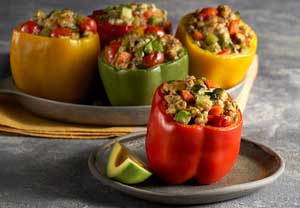
Delicious Stuffed Bell Pepper

Stuffed bell peppers are an enduring family favorite— healthy, vibrant, wholesome, and wonderfully satisfying. Their cheerful colors make them look as good as they taste, and the savory beef-rice-tomato filling has that comforting, old-fashioned flavor that never gets old.

Succulent Stuffed Bell Peppers

This healthy recipe of stuffed bell pepper keeps the simplicity of the classic while folding in a few techniques and flavor touches from modern kitchens—like sautéed aromatics, melted cheese, and optional add-ins to transform it into a healthy vegetarian dish. From start to finish, these come together in under an hour, perfect for an easy weeknight dinner that feels like something special.

Ingredients

Total Time: About 55–60 minutes (Prep: 25 min | Bake: 25–30 min)
Servings: 4–6 stuffed peppers

  • 4–6 large bell peppers (any color; red, orange, and yellow are sweeter, while green pepper adds a mild bitterness)
  • 1 lb (about 500 g) lean ground beef (or plant-based meat)
  • 1 medium onion
  • 2 cloves garlic
  • 1 cup cooked rice
  • 1 can tomato sauce
  • 2 Tbsp olive oil
  • 1 tsp salt
  • ½ tsp black pepper
  • 1 tsp Italian seasoning
  • ¼ tsp smoked paprika

Step 1

  1. Preheat your oven to 350°F (175°C) and set aside a large rectangular baking dish that can hold all the peppers upright.
  2. Trim and clean the peppers: Slice about ½ inch from the tops of each bell pepper, keeping them intact as little “lids” if you like. Remove the seeds and membranes inside.
  3. Parboil for tender peppers (optional but recommended):
    Bring a large pot of water to a rolling boil. Drop the cleaned peppers into the boiling water and cook for 3–4 minutes—just enough to soften them slightly without turning them mushy. Drain and immediately rinse under cold water to stop the cooking. This quick blanching step ensures the peppers bake evenly and stay vibrant in color.

Set aside to cool slightly while you prepare the filling.

Step 2: Cook the Filling

  1. Heat olive oil in a large skillet over medium heat. Add the chopped onion and sauté until translucent, about 3–4 minutes. Add the minced garlic and cook for another minute, stirring to avoid burning.
  2. Add the ground beef to the skillet, breaking it apart with a wooden spoon. Cook until browned and no longer pink—about 8–10 minutes. Drain off excess fat to keep the filling light.
  3. Stir in half the tomato sauce, then add the cooked rice, salt, black pepper, and Italian seasoning. If you’re using smoked paprika or chili flakes, sprinkle them in now.
  4. Reduce the heat and let the mixture simmer for a few minutes until the flavors come together and the sauce thickens slightly. Taste and adjust seasoning as needed, some people like a touch more salt or a pinch of sugar if the tomatoes are very acidic.

Step 3: Fill the Pepper

  1. Arrange the prepared peppers upright in your baking dish. If any won’t sit flat, trim a very thin slice from the bottom to help them balance.
  2. Spoon the hot beef-rice mixture into each pepper, packing it down gently with the spoon. Fill them all the way to the top—slightly mounded is perfect.
  3. Drizzle the remaining half of the tomato sauce over the tops. This keeps the filling moist during baking and adds that signature saucy finish.

Step 4: Bake

  1. Cover the dish loosely with aluminum foil. This traps a bit of steam to soften the peppers while they bake.
  2. Place in the oven and bake for 25–30 minutes or until the peppers are tender when pierced with a knife.
    • For softer peppers or larger ones, add an extra 5–10 minutes.
    • For firmer peppers, bake uncovered the whole time.

Step 5: Serve and Garnish

Remove the peppers from the oven and let them rest for 5 minutes—they’ll hold together better.

Transfer each pepper carefully to a plate or shallow bowl. Spoon a bit of the sauce from the bottom of the baking dish around each serving for color and moisture.

Top with a dollop of sour cream, a sprinkle of chopped parsley, and, if you like, a bit more melted cheese. Serve immediately while hot.

Chef’s Note

Bell peppers are a staple in global cuisine, from stuffed bell pepper recipes to roasted and sautéed pepper dishes. Green peppers add mild bitterness, while red, yellow, and orange varieties bring natural sweetness. They shine in Mediterranean favorites like Lebanese moussaka, where peppers, eggplant, and chickpeas simmer in a rich tomato sauce. Versatile and flavorful, bell peppers elevate any meal.

Cayenne Pepper: The Famous Fiery Cousin

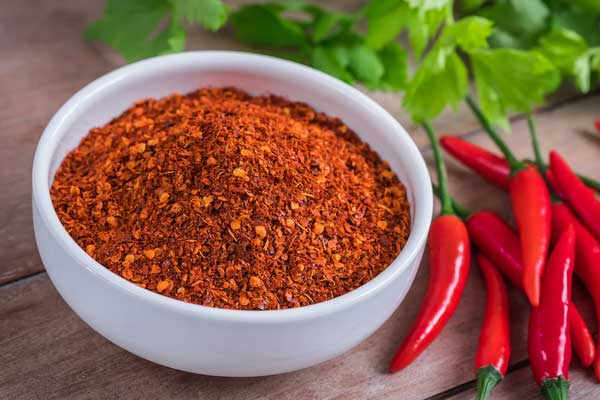
Cayenne chili peppers and grounded cayenne pepper in a bowl

When you hear the word “pepper,” your mind might jump to that familiar shaker on the dinner table, filled with tiny black specks from Piper nigrum. But right next to it, in your spice rack, sits another pepper entirely: the brilliant red cayenne pepper.
Both wear the same name, yet they come from two very different worlds. So how did a fiery chili from the Americas end up sharing its name with an ancient spice from Asia? Let’s untangle this flavorful family tree.

Two Peppers, Two Lineages

The confusion starts with history (and a bit of linguistic evolution).

Black, white, and green peppercorns all come from the same plant: Piper nigrum, a flowering vine native to India. Its dried berries gave rise to what we now call pepper, a spice so prized it once served as currency and drove centuries of exploration and trade. The compound responsible for its bite is piperine, which tingles gently rather than burns.

Piper nigrum

Cayenne pepper, however, is a member of the Capsicum family: the same botanical group that gives us bell peppers, jalapeños, and habaneros. Its heat comes from capsaicin, a molecule that sets off your body’s pain receptors and triggers that addictive, fiery rush.

Capsicum

In short:

  • Piper nigrum → classic black pepper (piperine-based heat)
  • Capsicum annuum → cayenne and chilies (capsaicin-based heat)

Different plants, different chemistry, yet somehow united by name and purpose.

So why do both share the name “pepper”?


Blame the early European colonizers.

When Christopher Columbus first encountered chilies in the Caribbean, he was looking for black pepper, the “black gold” of the East. The fiery fruits he found instead reminded him of pepper’s pungent flavor, so he called them peppers too.
The name stuck, and the world has been blending the two ever since linguistically, if not botanically.

Even though they’re distant cousins, black pepper and cayenne pepper share an important culinary role: they both add heat, depth, and energy to food. They awaken the tongue and sharpen the senses, transforming simple dishes into vibrant experiences.

  • Black pepper adds warmth and aroma: earthy, floral, and a little sharp.
  • Cayenne brings pure heat: clean, bright, and exhilarating.

Used together, they create layers of spice that dance across your palate, piperine’s subtle glow beneath capsaicin’s flame.

Today, “pepper” is less about strict botany and more about flavor philosophy. Whether it comes from vine or pod, ground or dried, “pepper” means something that excites the senses.
So while cayenne isn’t a true peppercorn relative, it absolutely earns its place in the pepper family, not by birth, but by spirit.

Black pepper and cayenne pepper are like distant cousins from opposite sides of the world, one smooth-talking and aromatic, the other bold and fiery, but both essential to the story of spice.
Together, they remind us that food, like language, evolves through curiosity, exploration, and a touch of heat.

💡 Fun Fact

Cayenne pepper gets its name from Cayenne, French Guiana, where it was historically cultivated and traded. It’s part of the Capsicum annuum species: the same species as many sweet and hot peppers we enjoy today.