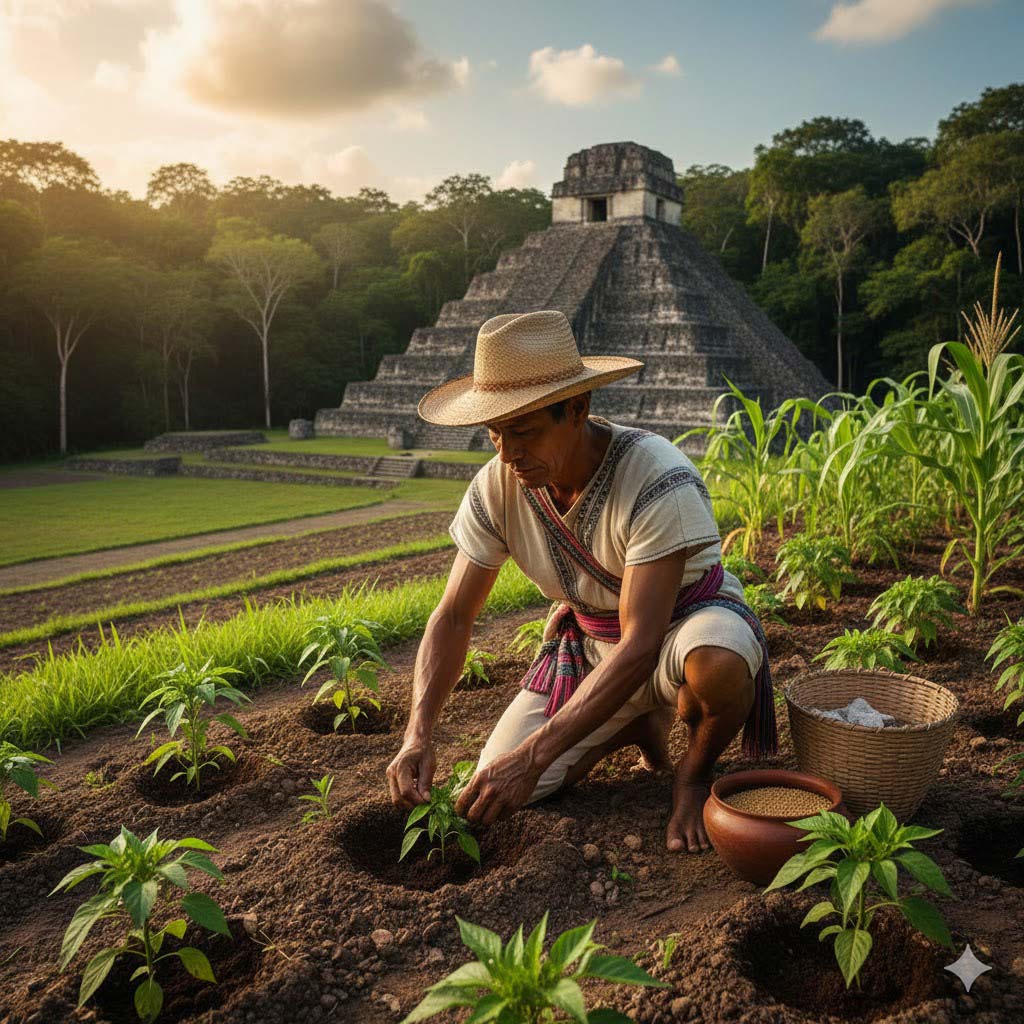
Bell peppers, also known as sweet peppers or capsicums, are one of the most colorful and versatile vegetables in the world. Despite their association with Mediterranean cuisine today, bell peppers actually originate from the Americas. Archaeological evidence suggests that they were first cultivated in Central and South America over 6,000 years ago. Ancient civilizations like the Aztecs and Mayans grew a variety of peppers, using them not only for food but also for medicinal and ceremonial purposes.
The word “capsicum” comes from the Greek word kapto, meaning “to bite,” reflecting the pepper’s pungent flavor in its wild forms. Spanish explorers brought bell peppers to Europe in the 15th and 16th centuries, where they quickly became popular in kitchens across Spain, Italy, and the Balkans. Unlike their hotter relatives, bell peppers were valued for their sweet flavor, vibrant colors, and versatility in cooking.
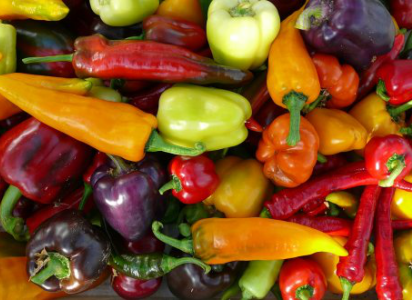
Over time, bell peppers were selectively bred to enhance their sweetness and reduce bitterness. This selective cultivation led to the wide variety of colors we see today, from green to red, yellow, orange, and even purple. Each color represents a different stage of ripeness or a distinct cultivar, giving cooks and chefs a palette of flavors and textures to experiment with.
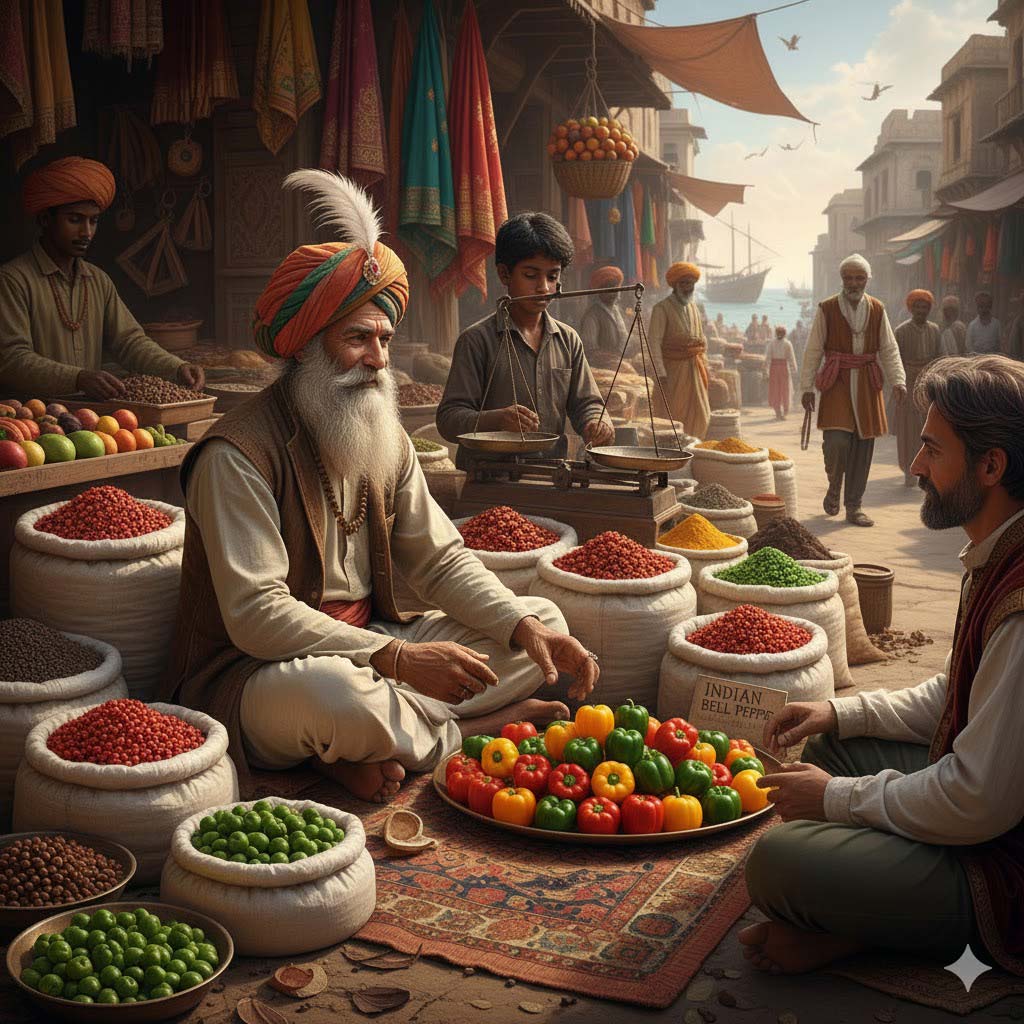
Bell peppers also spread to Asia and Africa, becoming integral ingredients in numerous regional cuisines. In India, they are often used in curries and stir-fries, while in China they are a staple in stir-fried dishes with meat or tofu. Their mild taste and nutritional value, rich in vitamins A and C, have contributed to their global popularity.
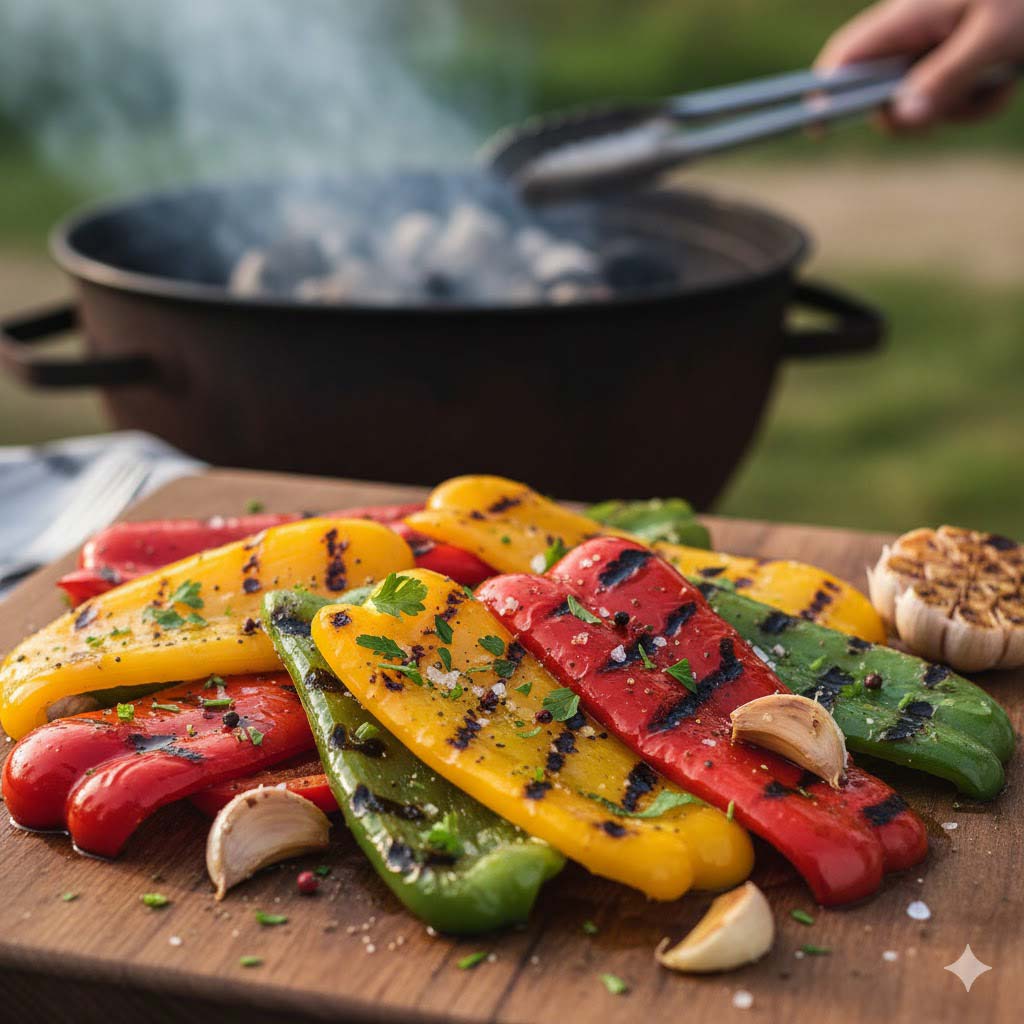
Today, bell peppers are cultivated worldwide and enjoyed in countless recipes, from salads and pasta to roasted dishes and stuffed peppers. Their journey from ancient American fields to modern kitchens illustrates not only the adaptability of this vegetable but also the rich history of human cultivation and culinary innovation. Bell peppers remain a symbol of color, flavor, and cultural exchange in the global culinary landscape.
Stuffed bell peppers are an enduring family favorite— healthy, vibrant, wholesome, and wonderfully satisfying. Their cheerful colors make them look as good as they taste, and the savory beef-rice-tomato filling has that comforting, old-fashioned flavor that never gets old.
Succulent Stuffed Bell Peppers
This healthy recipe of stuffed bell pepper keeps the simplicity of the classic while folding in a few techniques and flavor touches from modern kitchens—like sautéed aromatics, melted cheese, and optional add-ins to transform it into a healthy vegetarian dish. From start to finish, these come together in under an hour, perfect for an easy weeknight dinner that feels like something special.
Ingredients
Total Time: About 55–60 minutes (Prep: 25 min | Bake: 25–30 min) Servings: 4–6 stuffed peppers
4–6 large bell peppers (any color; red, orange, and yellow are sweeter, while green pepper adds a mild bitterness)
Preheat your oven to 350°F (175°C) and set aside a large rectangular baking dish that can hold all the peppers upright.
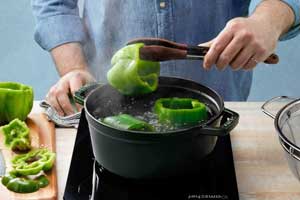
Trim and clean the peppers: Slice about ½ inch from the tops of each bell pepper, keeping them intact as little “lids” if you like. Remove the seeds and membranes inside.
Parboil for tender peppers (optional but recommended): Bring a large pot of water to a rolling boil. Drop the cleaned peppers into the boiling water and cook for 3–4 minutes—just enough to soften them slightly without turning them mushy. Drain and immediately rinse under cold water to stop the cooking. This quick blanching step ensures the peppers bake evenly and stay vibrant in color.
Set aside to cool slightly while you prepare the filling.
Step 2: Cook the Filling
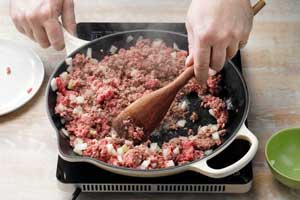
Heat olive oil in a large skillet over medium heat. Add the chopped onion and sauté until translucent, about 3–4 minutes. Add the minced garlic and cook for another minute, stirring to avoid burning.
Add the ground beef to the skillet, breaking it apart with a wooden spoon. Cook until browned and no longer pink—about 8–10 minutes. Drain off excess fat to keep the filling light.
Stir in half the tomato sauce, then add the cooked rice, salt, black pepper, and Italian seasoning. If you’re using smoked paprika or chili flakes, sprinkle them in now.
Reduce the heat and let the mixture simmer for a few minutes until the flavors come together and the sauce thickens slightly. Taste and adjust seasoning as needed, some people like a touch more salt or a pinch of sugar if the tomatoes are very acidic.
Step 3: Fill the Pepper
Arrange the prepared peppers upright in your baking dish. If any won’t sit flat, trim a very thin slice from the bottom to help them balance.
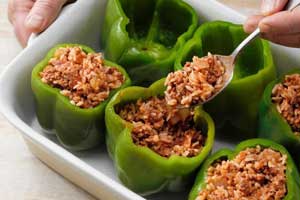
Spoon the hot beef-rice mixture into each pepper, packing it down gently with the spoon. Fill them all the way to the top—slightly mounded is perfect.
Drizzle the remaining half of the tomato sauce over the tops. This keeps the filling moist during baking and adds that signature saucy finish.
Step 4: Bake
Cover the dish loosely with aluminum foil. This traps a bit of steam to soften the peppers while they bake.
Place in the oven and bake for 25–30 minutes or until the peppers are tender when pierced with a knife.
For softer peppers or larger ones, add an extra 5–10 minutes.
For firmer peppers, bake uncovered the whole time.
Step 5: Serve and Garnish
Remove the peppers from the oven and let them rest for 5 minutes—they’ll hold together better.
Transfer each pepper carefully to a plate or shallow bowl. Spoon a bit of the sauce from the bottom of the baking dish around each serving for color and moisture.
Top with a dollop of sour cream, a sprinkle of chopped parsley, and, if you like, a bit more melted cheese. Serve immediately while hot.
Chef’s Note
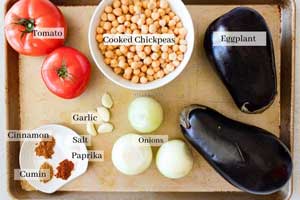
Bell peppers are a staple in global cuisine, from stuffed bell pepper recipes to roasted and sautéed pepper dishes. Green peppers add mild bitterness, while red, yellow, and orange varieties bring natural sweetness. They shine in Mediterranean favorites like Lebanese moussaka, where peppers, eggplant, and chickpeas simmer in a rich tomato sauce. Versatile and flavorful, bell peppers elevate any meal.
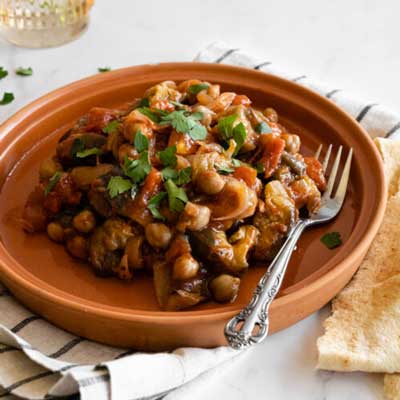
A comforting dish featuring roasted eggplants, bell peppers, chickpeas and tomato-garlic sauce. It’s vegan, gluten-free, and perfect as a main or part of a mezze spread. The Moussaka is a staple dish in Mediterranean countries, it can be prepared with or without meat, up to your preferences. The Egyptian recipe is as savory as the Lebanese one. It consists of layers of tender roasted eggplant and saucy, spiced ground beef with onions, bell peppers, and garlic. With no béchamel sauce, it’s a naturally gluten-free dish that comes together quickly for an easy weeknight dinner.
Ingredients (Serves 4–6)
Healthy plant-based ingredients
2 medium eggplants
2–3 long green peppers (thin-fleshed variety if possible) or 2 medium bell peppers
1 can chickpeas, drained and rinsed
1 large onion, finely chopped
2-3 cloves garlic, minced
1 can chopped tomatoes or 400-500 g fresh tomatoes, chopped
1-2 Tbsp tomato paste
2 Tbsp olive oil
½ cup water
1 tsp sumac or ½ tsp each cinnamon + paprika + cumin for spice depth
Salt & freshly ground black pepper, to taste
Fresh chopped parsley for garnish
Olive oil for roasting & sautéing
Preparation
1. Roast the eggplants
Preheat your oven to 200 °C (about 390 °F).
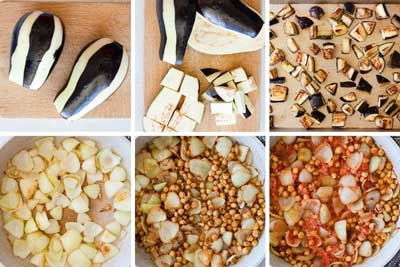
Wash the eggplants and pierce their skins a few times with a fork. Cut into large chunks (about 2-3 cm pieces) or slices as you prefer.
Toss with a little olive oil and a pinch of salt. Roast for 30–40 minutes, until the eggplants are soft and golden.
When done, remove from the oven and let cool slightly.
2. Prepare the bell peppers
While the eggplants are roasting, prepare the green peppers: wash, de-seed by cutting off the stem end and removing membranes/seeds. If using long peppers, cut in half lengthwise.
Place them on a tray, drizzle with a little olive oil, sprinkle salt, and roast under the grill (or at 200 °C) for 20–30 minutes, until slightly browned and tender.
3. Make the tomato-chickpea sauce
In a large deep pan or wok, heat 2 Tbsp olive oil over medium heat. Add chopped onion and sauté until translucent. Add the minced garlic and cook for another minute.
Add the chopped tomatoes and tomato paste, stir to combine. Pour in about ½ cup water.
Season with salt, pepper, sumac to taste. Let the mixture simmer for about 15 minutes, uncovered or partially covered, until slightly thickened.
Add the chickpeas, stir them in, and simmer for another 10 minutes so they soak up flavour.
4. Combine everything
Add the peeled roasted eggplant chunks to the sauce. Stir carefully so the eggplant integrates without breaking completely.
Add the roasted peppers, cut into large pieces if halved earlier, into the pan for the last 5–10 minutes.
Taste and adjust seasoning. If the sauce seems too dry, add a little more water.
5. Serve
Spoon the moussaka into a serving dish. Garnish with chopped fresh parsley and a drizzle of olive oil.
This dish is excellent warm, room temperature, or even chilled, making it very versatile for buffet-style or mezze.
Serve with warm pita bread, or as a main alongside steamed rice, or part of a wider spread of Mediterranean dishes.
Why This Recipe Works
By roasting the aubergine and pepper, you get deep flavour and great texture without excessive oil. The tomato-garlic sauce builds the core taste of the dish, chickpeas add hearty texture and plant-based protein, bell peppers are loaded with vitamin C and antioxidants, and the optional spices ensure it retains that authentic Lebanese character. This Lebanese moussaka with bell pepper uses simple, wholesome ingredients and a straightforward cooking method that allows flexibility—serve it as a main or side, warm or cold. It sits beautifully on a mezze table alongside hummus and flatbread, or stands alone as a satisfying vegetarian main for weeknight meals or meal prep.
Bell pepper is a staple in Oriental and Mediterranean cuisine, valued for its versatility—it can take centre stage in a dish or be added for a burst of flavour, colour, and natural sweetness.
Our Pepper Fun WordPress blog shares a vibrant collection of pepper-focused recipes, created by contributors from different parts of the world. From Mediterranean classics to Middle Eastern favourites and global comfort food, the blog celebrates bold flavours, diverse cuisines, and creative ways to cook with bell peppers and chilli peppers.
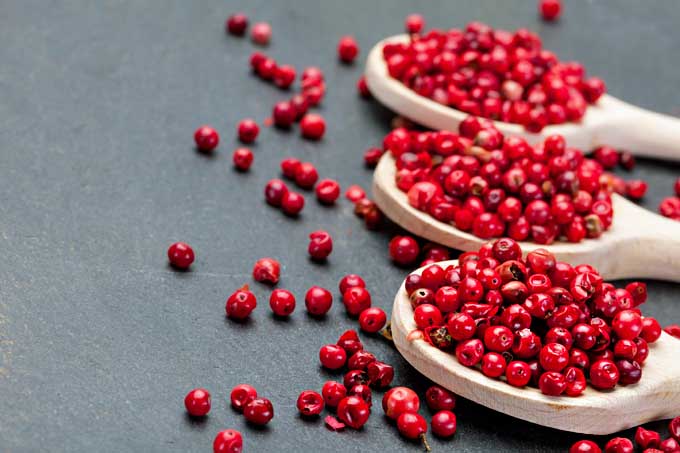
When you first spot pink pepper, or pink peppercorns, as they’re often called, you might assume they’re a dainty cousin of black pepper. Tiny, blushing spheres with a delicate fragrance, they look like pepper’s romantic side.
But here’s the twist: rose pepper isn’t true pepper at all.
Meet the Impostor: What Is Rose Pepper?
Despite its name and shape, rose pepper doesn’t come from the Piper nigrum vine (the plant that gives us black, white, and green peppercorns). Instead, these pink-hued berries come from an entirely different plant: Schinus molleor Schinus terebinthifolia, members of the cashew family (Anacardiaceae), native to South America.
Their delicate shells and floral aroma have earned them a spot in kitchens and on spice shelves worldwide. Think of them as the free-spirited cousin of true pepper — more perfumed than pungent, more poetic than fiery.
Flavor That Flirts
Rose pepper doesn’t bring the same sharp bite as black pepper. Instead, it offers a gentle, aromatic heat, warm, slightly sweet, and faintly resinous, with hints of citrus and berry.
When crushed, the berries release a fragrance that’s both peppery and floral, evoking rose petals, pine, and sunshine. It’s less about spice and more about nuance, a whisper rather than a shout.
Because of that, rose pepper pairs beautifully with:
Seafood and shellfish 🐟
Soft cheeses like goat or brie 🧀
Fruit-based dishes (strawberries, citrus, figs) 🍓
Chocolate desserts for a sophisticated twist 🍫
From the Andes to Your Table
Rose pepper has deep roots in South America, where the Schinus trees grow wild and abundant. Indigenous peoples of Peru and Brazil used the berries not only as a seasoning but also for their medicinal and ritual purposes.
Peruvian pepper trees
In the 18th and 19th centuries, European colonists brought the trees to other parts of the world, including Africa and the Mediterranean, where they thrived and eventually became popular in gourmet cooking.
Today, you’ll often see pink peppercorn blends, where rose pepper joins black, white, and green peppercorns in colorful harmony. Together, they create a full spectrum of spice: from earthy to floral, from grounded to ethereal.
Why We Love It
Rose pepper is less about intensity and more about elegance. It adds color to a dish, a perfume to the air, and a sense of culinary adventure to the table.
It’s not here to compete with black pepper or cayenne; it’s here to complement, to bring balance, to remind us that spice can also be subtle, fragrant, and full of grace.
Whether you call it rose pepper or pink peppercorn, this beautiful berry embodies the spirit of modern cooking: curious, global, and endlessly creative.
It’s not “real” pepper, but it’s real magic.
⚠️ Caution ⚠️
Because rose pepper comes from the cashew family, it can trigger allergic reactions in people who are sensitive to tree nuts. It’s rare, but worth keeping in mind, especially if you’re using it in shared dishes or desserts.
💡 Fun Fact
The trees that produce rose pepper sometimes called Peruvian pepper trees are visually stunning. They have cascading, fern-like leaves and clusters of pink berries that shimmer like ornaments. In some regions, they’re even used as decorative trees for landscaping.
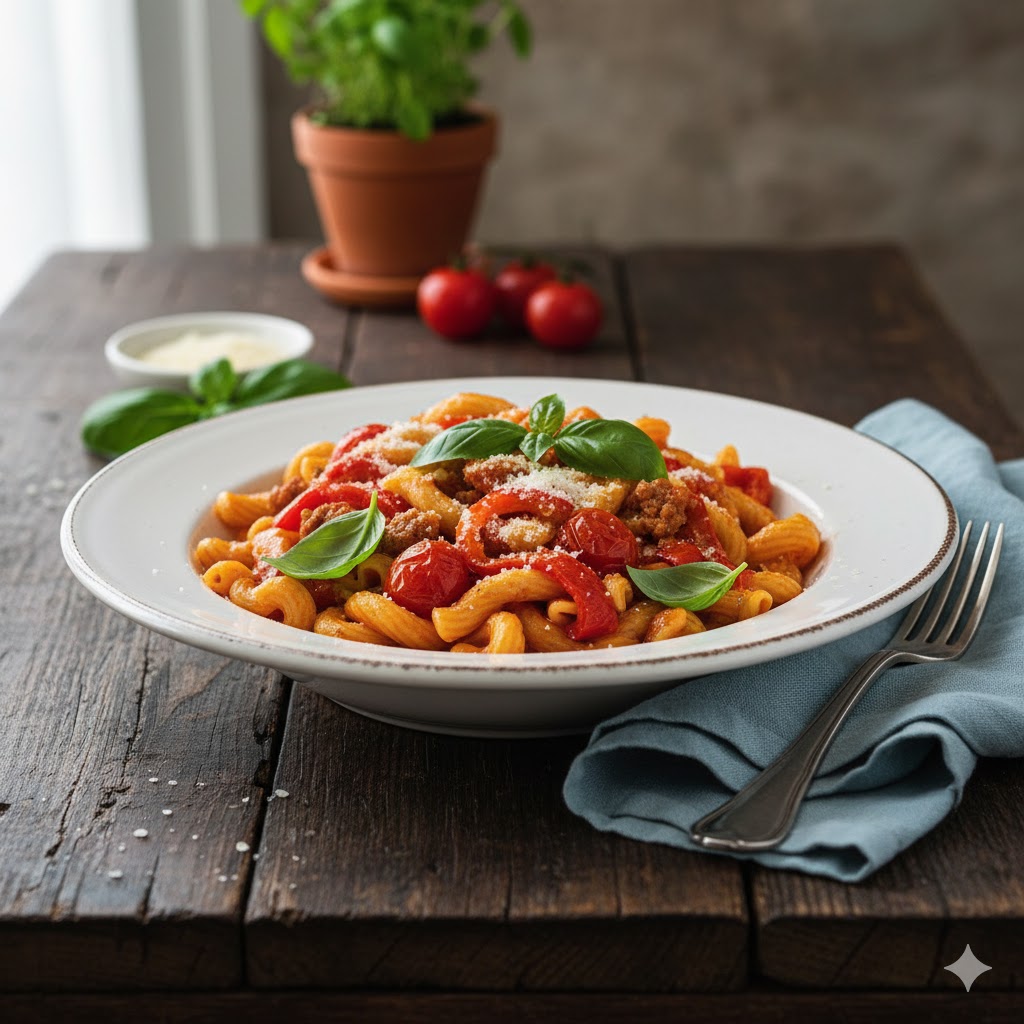
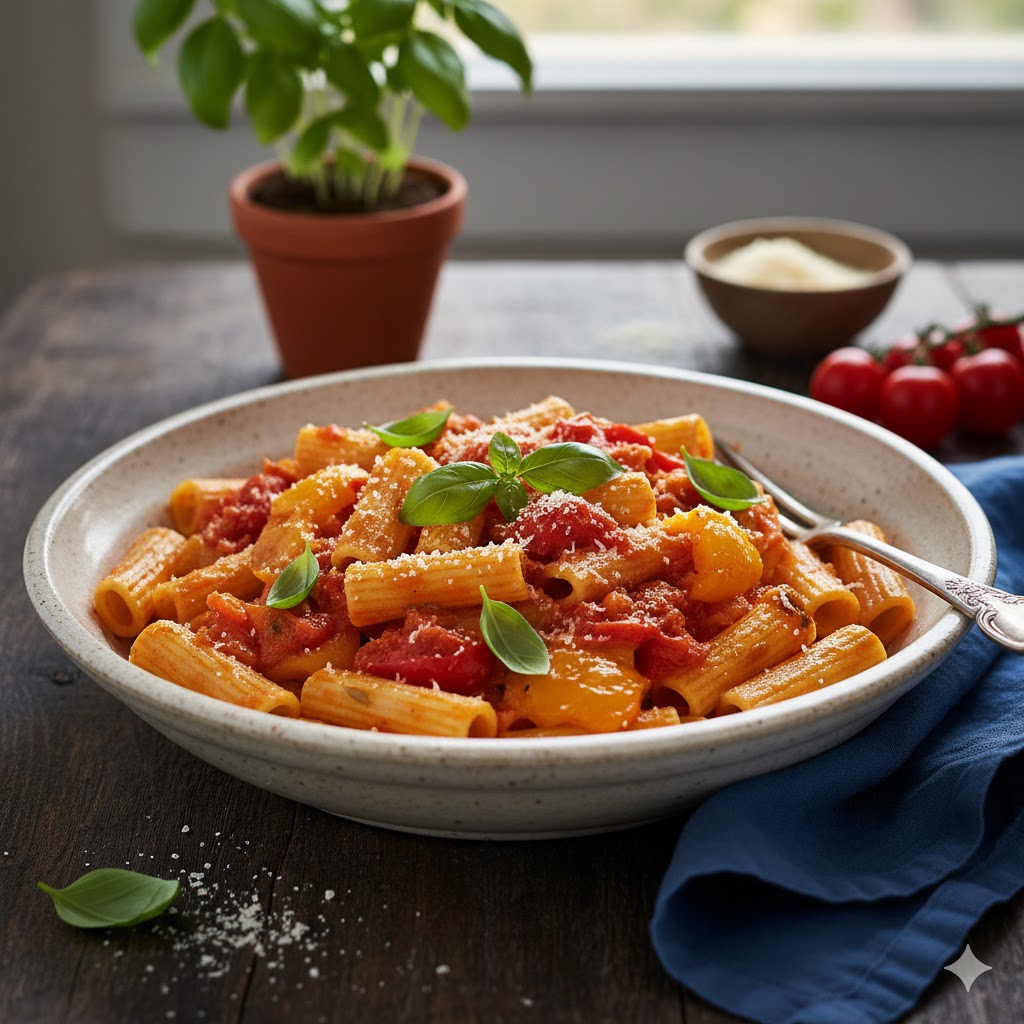
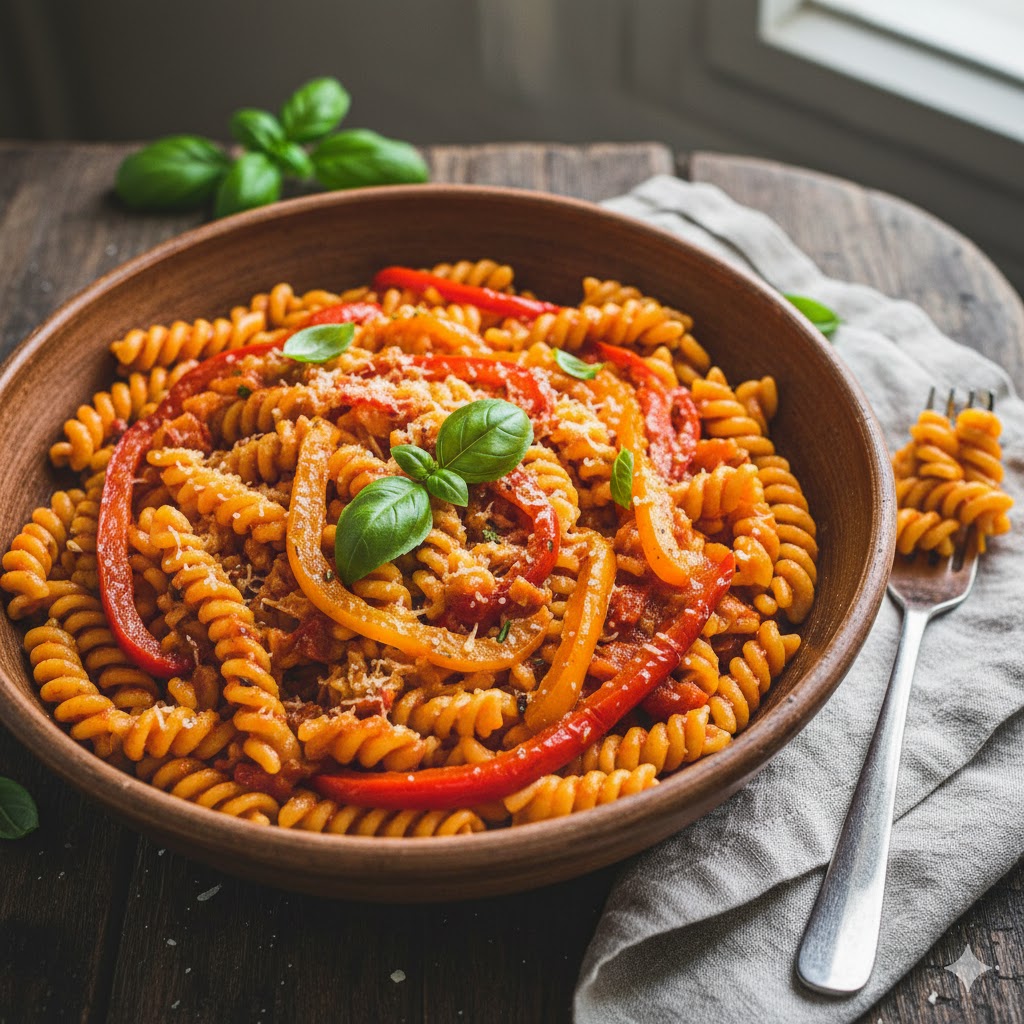
If you’re looking for a colorful, flavorful, and easy-to-make dish, pepper pasta is the perfect choice. Tender red, yellow, and green bell peppers sautéed with a drizzle of extra virgin olive oil, garlic, and a pinch of chili create the ideal sauce for your favorite pasta.
Ingredients (serves 4)
320 g (11 oz) pasta (penne, fusilli, or spaghetti)
3 large bell peppers (red, yellow, or green)
2 garlic cloves
3 tablespoons extra virgin olive oil
Salt and pepper, to taste
Fresh basil or parsley for garnish
Grated Parmesan (optional)
Instructions
1. Prepare the peppers Wash the bell peppers, remove the seeds and inner membranes, and cut them into thin strips.
2. Sauté the peppers Heat the olive oil in a large pan and add the whole garlic cloves. Let them lightly brown, then add the bell peppers. Cook over medium heat for about 10–15 minutes, stirring occasionally, until they are tender but still slightly crisp. Season with salt and pepper.
3. Cook the pasta Meanwhile, cook the pasta in plenty of salted water according to package instructions. Drain the pasta al dente, reserving a little pasta water.
4. Combine pasta and peppers Add the pasta to the pan with the peppers and mix well. If needed, add a splash of reserved pasta water to make the sauce creamier.
5. Serve and garnish Plate the pasta and finish with a sprinkle of Parmesan and a few fresh basil leaves.
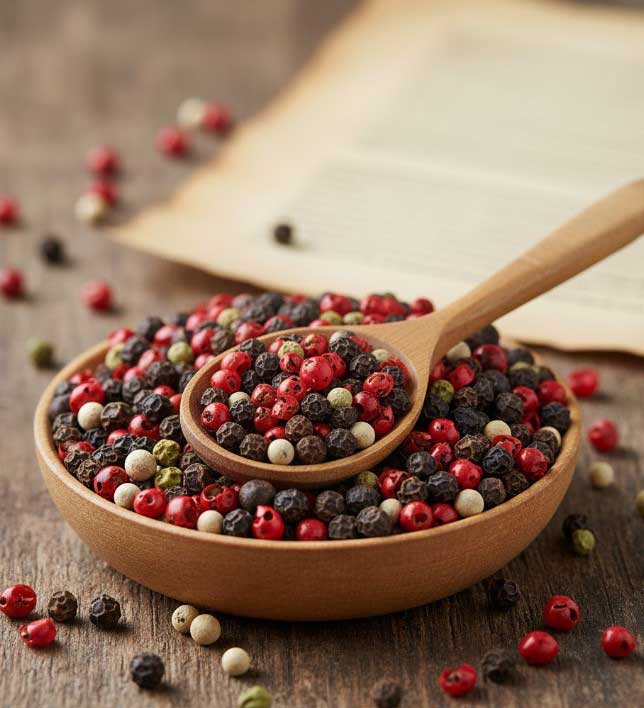
Peppercorns are a kitchen staple, yet many home cooks and even experienced chefs don’t realise just how versatile this humble spice can be. Beyond adding heat and flavour, the colour and type of peppercorn you choose can enhance the aroma, texture, and balance of a dish. From black and white to red and green, each variety has unique characteristics that make it ideal for certain recipes and culinary pairing tips for pepper.
Black peppercorns: pair with Bold, Spicy, and Versatile
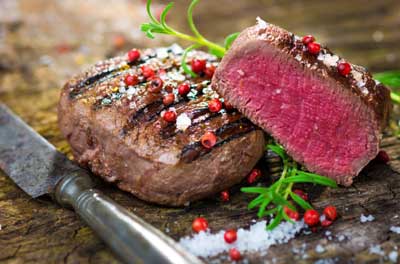
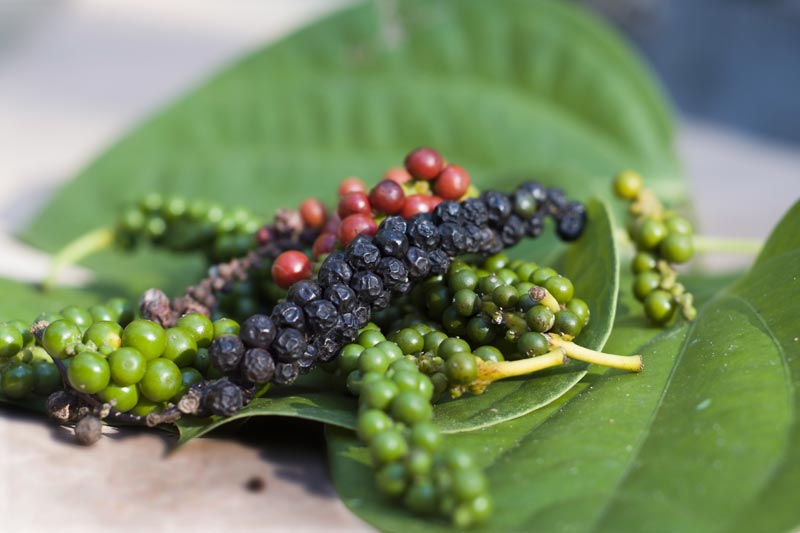
Black pepper is most common and widely used , celebrated for its warm, pungent heat and complex aroma. Its bold flavour makes it perfect for meats such as steak, lamb, or beef stew, whether crushed or freshly ground in a marinade or rub. It also complements roasted or sautéed vegetables like carrots, zucchini, or mushrooms, adding depth and warmth. In soups and stews, black pepper enhances both meat and vegetable flavours, while freshly ground pepper can elevate eggs or creamy cheeses without overpowering them. Using black pepper early in cooking helps release its full aroma, while grinding it fresh over salads or as a finishing touch delivers a punchy burst of flavour.
White peppercorns: Subtle, Earthy, and Elegant
White pepper offers a milder, cleaner heat with a slightly earthy, fermented undertone. Its refined taste and pale colour make it ideal for dishes where black specks might look out of place, such as cream sauces, béchamel, or Alfredo. It also works beautifully in mashed potatoes and cream-based soups like potato, cauliflower, or mushroom, adding warmth without disrupting the smooth appearance. In Chinese and Southeast Asian cuisine, the white spice is used in stir-fries and soups to add a subtle kick that doesn’t overpower delicate ingredients. To preserve its aroma, it is best added toward the end of cooking rather than exposed to long heat.
Red peppercorns: Fruity, Sweet, and Exotic
Red peppercorns are harvested fully ripe, producing a fruity, slightly sweet heat that stands out in both taste and appearance. They are particularly effective with seafood, complementing shellfish, salmon, or mild white fish while adding gentle warmth. Red pepper also shine in sauces and vinaigrettes, where lightly crushing them releases their fruity aroma, and in seasoning blends with herbs like rosemary, thyme, or basil for roasted meats or vegetable medleys. They add visual interest and subtle heat to cheese and charcuterie boards as well. Because of their natural sweetness, red peppercorns pair beautifully with dishes incorporating fruit or honey, such as glazed duck or roasted root vegetables with orange.
Green peppercorns: Pair with Fresh, Fruity, and MildFlavours
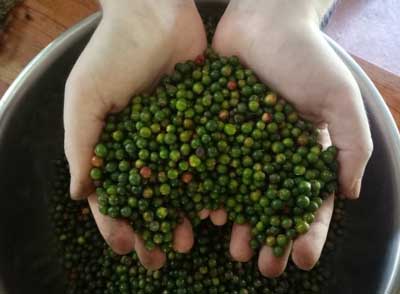
Green peppercorns are harvested while unripe and preserved by freeze-drying, air-drying, or pickling to maintain their fresh, herbal flavour. Milder and fruitier than black or red peppercorns, they are excellent for dishes that require a gentle pepper note. Classic French preparations like steak au poivre vert or chicken in green pepper cream sauce highlight their fresh heat, while they also enhance subtle proteins such as chicken, turkey, shrimp, or cod. Pickled green pepper add crunch and mild heat to sauces, chutneys, or relishes, and lightly sautéed or roasted vegetables gain a fresh, slightly fruity kick. Using whole green peppercorns in braises or stews allows their mild heat to infuse slowly, creating depth without the sharp pungency of black pepper.
Mixing Peppercorns for Complexity
Many chefs and home cooks like to combine different peppercorns to create layered flavour experiences. A blend of black, white, and green peppercorns produces a balance of heat, aroma, and freshness, while a mix of red and black can enrich roasted vegetables or meat rubs with fruity warmth and pungency. By experimenting with different combinations, you can tailor the heat, aroma, and visual appeal to the specific dish, making this humble spice remarkably versatile.
Tips for Using in the Kitchen
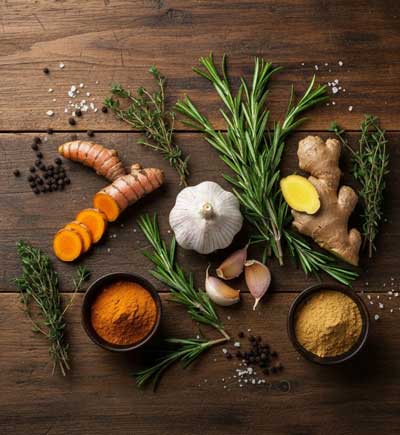
To get the most from your peppercorns, grind them fresh whenever possible, as whole pepper retains aroma and essential oils far longer than pre-ground varieties. Consider both the colour and intensity of the pepper when selecting the right type for your recipe: use black for bold, hearty dishes; white for creamy or light-coloured recipes; red for fruity or elegant dishes; and green for subtle, fresh flavours. Peppercorns also pair beautifully with other spices and herbs such as garlic, thyme, rosemary, turmeric, or ginger, helping to elevate the overall taste profile of your dishes.
Peppercorns are more than just a seasoning; they are a tool for creating depth, contrast, and personality in every meal. Understanding the differences between black, white, red, and green peppercorns allows you to elevate flavours, add visual interest, and make every dish uniquely memorable.
Prep time: 20 mins Cook time: 45 mins Total time: 1 hour 5 mins
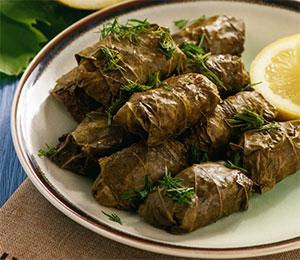
Preparing these in advance, and serving them up with a platter of olives, hummus, babaganoush, and tomato stewed green beans will offer a flavorful spread (with a cool theme!) that is open to most special diets, from vegan to gluten-free.
Author: Chef Jason Wyrick Recipe type: Appetizer Cuisine: Middle Eastern Serves: 8 servings
Ingredients
1 teaspoon + 2 tablespoons olive oil, divided
1 onion, minced
¾ cup uncooked rice
5 to 6 sundried tomatoes, minced
1 tablespoon pine nuts (an omit for nut-free)
¼ teaspoon of salt
¼ teaspoon of freshly ground black pepper
¼ teaspoon of crushed red pepper
2 teaspoon minced fresh dill
2 tablespoon minced fresh parsley
2 to 3 ounces grape leaves
Juice of 2 lemons
Instructions
Heat the 1 teaspoon oil over medium heat. Add the onion and sauté until soft, about 3 minutes.
Add the rice and sauté for about 2 minutes.
Add the sundried tomatoes, pine nuts, salt, black pepper, crushed red pepper, and ⅜ cup water.
Bring this to a simmer, and cook until the rice has absorbed all of the liquid.
Stir the dill and parsley into the partially cooked rice.
Unfold the grape leaves. If the grape leaves are very briny, rinse them with water.
Boil the grape leaves enough water to cover them by at least 3 inches for about 5 minutes. Remove and let them cool.
Place 1 tablespoon filling along one side of a leaf. Fold over the sides, the roll the leaf into a tight cigar shape. If there are tears in the leaf, you can shore them with other grape leaves. Repeat this with the filling and the other leaves.
Place a layer of leaves in the bottom of a pot. Place the stuffed grape leaves tightly in the pot.
Add 1 cup water to the pot and place the pot over medium-low heat. Place a plate on top of the stuffed grape leaves to keep them from unfurling. Cook the stuffed grape leaves for 20 minutes.
Add in 1 ½ cups additional hot water and simmer for 15 more minutes.
Drizzle the lemon juice and remaining 2 tablespoon olive oil on the finished grape leaves.
Remove them and allow them to come to room temperature.
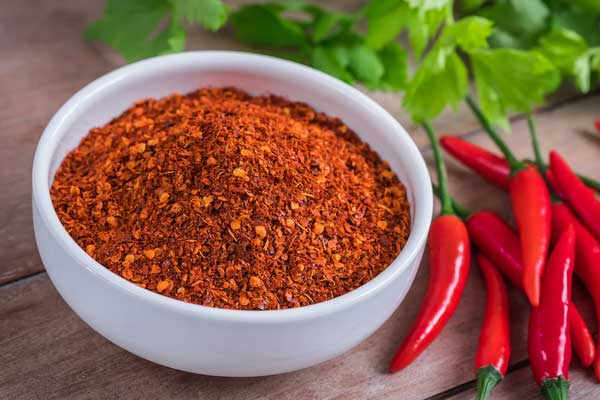
When you hear the word “pepper,” your mind might jump to that familiar shaker on the dinner table, filled with tiny black specks from Piper nigrum. But right next to it, in your spice rack, sits another pepper entirely: the brilliant red cayenne pepper. Both wear the same name, yet they come from two very different worlds. So how did a fiery chili from the Americas end up sharing its name with an ancient spice from Asia? Let’s untangle this flavorful family tree.
Two Peppers, Two Lineages
The confusion starts with history (and a bit of linguistic evolution).
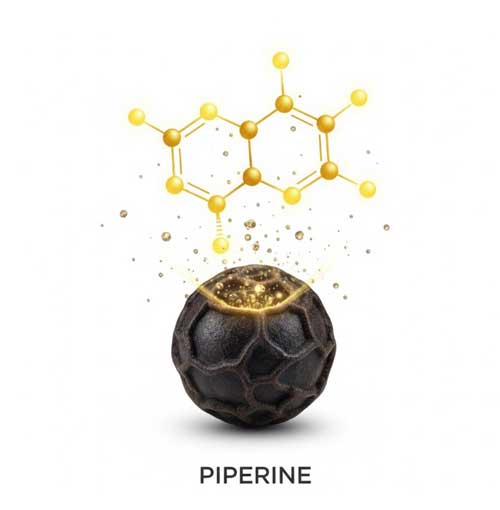
Black, white, and green peppercorns all come from the same plant: Piper nigrum, a flowering vine native to India. Its dried berries gave rise to what we now call pepper, a spice so prized it once served as currency and drove centuries of exploration and trade. The compound responsible for its bite is piperine, which tingles gently rather than burns.
Piper nigrum
Cayenne pepper, however, is a member of the Capsicum family: the same botanical group that gives us bell peppers, jalapeños, and habaneros. Its heat comes from capsaicin, a molecule that sets off your body’s pain receptors and triggers that addictive, fiery rush.
Capsicum
In short:
Piper nigrum → classic black pepper (piperine-based heat)
Capsicum annuum → cayenne and chilies (capsaicin-based heat)
Different plants, different chemistry, yet somehow united by name and purpose.
So why do both share the name “pepper”?
Blame the early European colonizers.
When Christopher Columbus first encountered chilies in the Caribbean, he was looking for black pepper, the “black gold” of the East. The fiery fruits he found instead reminded him of pepper’s pungent flavor, so he called them peppers too. The name stuck, and the world has been blending the two ever since linguistically, if not botanically.
Even though they’re distant cousins, black pepper and cayenne pepper share an important culinary role: they both add heat, depth, and energy to food. They awaken the tongue and sharpen the senses, transforming simple dishes into vibrant experiences.
Black pepper adds warmth and aroma: earthy, floral, and a little sharp.
Cayenne brings pure heat: clean, bright, and exhilarating.
Used together, they create layers of spice that dance across your palate, piperine’s subtle glow beneath capsaicin’s flame.
Today, “pepper” is less about strict botany and more about flavor philosophy. Whether it comes from vine or pod, ground or dried, “pepper” means something that excites the senses. So while cayenne isn’t a true peppercorn relative, it absolutely earns its place in the pepper family, not by birth, but by spirit.
Black pepper and cayenne pepper are like distant cousins from opposite sides of the world, one smooth-talking and aromatic, the other bold and fiery, but both essential to the story of spice. Together, they remind us that food, like language, evolves through curiosity, exploration, and a touch of heat.
💡 Fun Fact
Cayenne pepper gets its name from Cayenne, French Guiana, where it was historically cultivated and traded. It’s part of the Capsicum annuum species: the same species as many sweet and hot peppers we enjoy today.
Uncover the historical significance of pepper and its medicinal use through time. From ancient remedies to modern science. Explore pepper’s healing journey now!
Pepper may be one of the world’s most common spices, but its importance extends far beyond the kitchen. Long before it became a staple seasoning, pepper was prized for its healing qualities. Across Asia, the Middle East, and Europe, it was valued as both food and medicine, believed to warm the body, aid digestion, and even ward off illness.
Modern research has confirmed that many of these traditional beliefs were not mere superstition. The compounds that give pepper its sharp flavour also contribute to a range of potential health benefits. From ancient remedies to current nutritional studies, pepper has always stood at the crossroads of flavour and medicine. Explore its medicinal use below.
From Ancient medicinal use to Global Spice
The medicinal story of pepper begins in India, where it has been used for over two thousand years in Ayurvedic medicine used under the name maricha. It was considered a warming spice that stimulates digestion, clears the lungs, and balances the body’s energy. Traditional healers often mixed it with turmeric and long pepper (Piper longum) in a preparation called Trikatu, believed to strengthen the immune system and boost vitality.
As pepper spread through trade routes to the Middle East and Europe, it kept its reputation as both a luxury and a remedy. Greek and Roman physicians prescribed it for stomach and respiratory problems, while medieval herbalists valued it as a stimulant and food preservative. Over time, pepper’s medicinal use became deeply rooted in many cultures — a spice linked not only with taste but with health and energy.
The Science Behind the Spice’s medicinal use
The key to pepper’s medicinal potential lies in piperine, the compound responsible for its characteristic heat. Piperine enhances the body’s absorption of nutrients and other bioactive compounds, which explains why pepper is often paired with turmeric — it can significantly increase the absorption of curcumin, turmeric’s main active ingredient.
Research has shown that piperine has several promising biological properties. It acts as an antioxidant, helping to neutralise free radicals that can damage cells. It also shows anti-inflammatory effects, which may support joint and digestive health. Some studies suggest that piperine could help regulate metabolism and blood sugar, although these findings are still being explored.
In addition to piperine, peppercorns contain essential oils such as limonene, pinene, and caryophyllene, which contribute to their aroma and may have mild antibacterial and immune-supporting effects. Together, these compounds explain why pepper has remained a part of folk medicine for thousands of years — it was effective, even if the science behind it was not yet understood.
Digestive Health and Circulation
One of the most traditional uses of pepper is as a digestive aid. The warming sensation it creates in the mouth mirrors its internal effect: it stimulates the production of saliva and digestive enzymes, helping the body break down food more efficiently. In many traditional cuisines, adding pepper to heavy or oily dishes was not only about taste but also about preventing bloating and discomfort.
Pepper’s stimulating qualities are also thought to improve circulation. In Ayurvedic medicine, this warming effect was said to “ignite the digestive fire,” encouraging energy flow and detoxification. Today, scientists would describe this in terms of mild thermogenic activity — pepper can slightly raise the body’s temperature and metabolism, making it a gentle natural stimulant.
Respiratory and Immune Support
Before the arrival of modern medicine, pepper was commonly used to ease respiratory ailments. When mixed with honey, it was a popular home remedy for colds, coughs, and sore throats. Its sharpness helped clear nasal passages, while its antibacterial compounds supported the body’s natural defences.
In some traditional systems, pepper was also used in warm tonics or teas to reduce mucus and relieve chest congestion. The vapours released from boiling pepper were believed to cleanse the lungs. While these remedies were based on observation rather than scientific trials, their effectiveness likely came from the spice’s natural anti-inflammatory and expectorant qualities.
Pain Relief and Anti-Inflammatory Effects
Pepper’s heat-producing compound piperine interacts with pain receptors in a similar way to capsaicin, the chemical found in chilli peppers. It can desensitise certain nerve pathways, which may help explain why topical treatments containing piperine have been studied for pain management and joint stiffness.
In laboratory settings, piperine has demonstrated potential to reduce inflammation in conditions such as arthritis. Although these studies are still in early stages, they reinforce traditional claims that pepper helps soothe aches and pains. Combined with its antioxidant capacity, this anti-inflammatory action makes pepper an intriguing focus for modern wellness research.
Antimicrobial and Preservative Qualities
Long before refrigeration, pepper played a practical role in food preservation. Its essential oils have antimicrobial properties that help inhibit the growth of certain bacteria and moulds. This explains why pepper was often added to cured meats, sauces, and pickles — not just for taste, but to help keep food safe to eat in warmer climates.
Modern studies continue to investigate these properties. Piperine and related compounds may slow bacterial growth in food and even support gut health by promoting beneficial bacteria. This dual role — preserving food and supporting digestion — has made pepper indispensable in kitchens and traditional medicine alike.
A Spice for Body and Mind
In many cultures, pepper has symbolised warmth, energy, and vitality. Ancient healers believed that it could lift the mood, sharpen the senses, and banish lethargy. Today, scientists are exploring how pepper’s medicinal use through active compounds might influence brain chemistry, including the regulation of serotonin and dopamine — two neurotransmitters linked to mood and focus.
Although research is ongoing, it is easy to see why pepper has maintained its reputation as a “life spice.” It brings heat to food, stimulates the body, and continues to intrigue both chefs and scientists.
Pepper’s medicinal use may no longer be its primary claim to fame, but they remain an important part of its story. Whether scattered over a meal or infused into traditional tonics, this ancient spice continues to offer warmth, balance, and vitality — a reminder that sometimes the most familiar ingredients hold the greatest power.
Picture a kitchen shelf. A humble jar of black pepper sits there, waiting to season your next meal. Ordinary? Hardly. For thousands of years, this fiery little berry has been more than a culinary staple—it has been a talisman, a weapon against darkness, and a spark in the furnace of magical traditions worldwide.
From Indian temples to European hearths, from Hoodoo altars to modern witchcraft circles, black pepper has carried a reputation for power and protection. Let’s journey through time and across cultures to uncover why this spice became a cornerstone of magical practice.
Ancient Roots: Pepper as “Black Gold” and Spiritual Shield
Long before pepper graced every dining table, it was a treasure of the spice trade—so precious it was called black gold. In India, its birthplace, pepper was not only a flavor enhancer but a spiritual purifier. Hindu rituals often included black pepper to cleanse spaces and ward off the evil eye. Sprinkling pepper around doorways or burning it in sacred fires was believed to create a protective barrier against malevolent forces. Ayurvedic texts even describe pepper as a detoxifier for both body and soul, aligning energy and boosting prana, the life force.
Pepper’s fiery nature made it a natural symbol of transformation. Its heat was seen as the spark that could burn away negativity, stagnation, and spiritual blockages. In purification rites, pepper was mixed with salt and other pungent herbs to cleanse homes and altars—a practice still echoed in modern folk magic.
European Folk Magic: A Pinch for Protection
In medieval Europe, pepper was more than a luxury; it was a charm. Merchants believed a pinch of pepper on their wares would ensure safe travels and prosperous trade. Folk traditions used pepper in sachets or scattered across thresholds to repel illness and evil spirits. Its sharp scent was thought to “wake up” the energy of a space, driving out gloom and inviting vitality.
Protective charms often combined pepper with iron nails or salt—materials believed to repel harmful forces. In some regions, pepper was sewn into clothing or carried in pouches as a portable shield against the “evil eye.” These practices reveal a common theme: pepper as a fiery guardian, standing watch at the liminal spaces of life.
Hoodoo and Conjure: Pepper’s Fiery Justice
Cross the Atlantic, and pepper takes on a more assertive role in African American Hoodoo. Here, black pepper appears in Hot Foot powders, a blend designed to drive unwanted people away. Mixed with salt, sulfur, and sometimes red pepper, it was sprinkled across doorways or paths to banish troublesome visitors. Pepper’s heat symbolized discomfort and movement—qualities that made it ideal for spells of expulsion.
But pepper wasn’t only for banishment. It was also used for protection against spiritual attacks. Sprinkling ground pepper in shoes was believed to guard against “foot track tricks,” harmful powders laid to curse someone through their footprints. In this way, pepper served as both sword and shield—capable of cutting ties and defending boundaries.
Modern Witchcraft and Wicca: Fire Element in Action
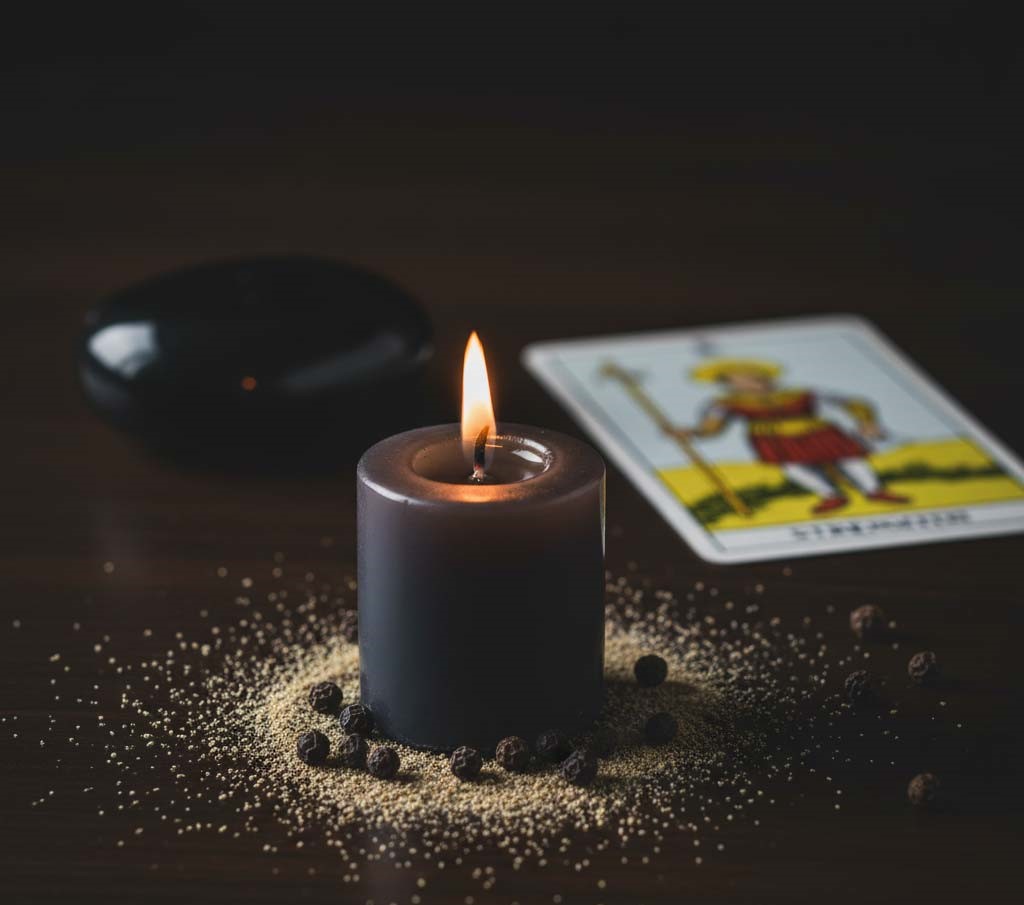
In contemporary Wiccan and pagan practices, black pepper is associated with the element of fire and the planet Mars—symbols of courage, strength, and decisive action. Practitioners use pepper to “heat up” spells, adding speed and intensity to magical workings. Need to banish negativity? Sprinkle pepper in a circle or add it to a candle spell. Want to stop gossip? A pinch of pepper in a witch bottle can silence harmful chatter.
Pepper also appears in rituals for empowerment. Its fiery energy is believed to activate the solar plexus chakra, boosting confidence and personal power. Some witches blend pepper with oils for anointing candles or tools, while others burn it—cautiously—as incense to clear stagnant energy.
Symbolism: Why Pepper Speaks of Power
Across cultures, pepper’s symbolism converges on a few key ideas:
Protection: Its pungent bite repels negativity and harmful spirits.
Purification: Pepper cleanses spaces and breaks curses.
Courage and Strength: Linked to Mars and fire, it fuels determination.
Prosperity: Historically tied to wealth, pepper often features in abundance spells.
Transformation: Its heat embodies change, burning away obstacles.
This versatility explains why pepper remains a favorite in magical repertoires. It’s accessible, potent, and deeply symbolic—a kitchen staple that doubles as a spiritual catalyst.
Practical Ways to Use Black Pepper in Magic
Curious to try? Here are a few traditional and modern methods:
Protective Sprinkle: Scatter ground pepper across thresholds or windowsills to block negativity.
Banishing Mix: Combine pepper with salt and cayenne; sprinkle where unwanted energy lingers.
Charm Bag: Add whole peppercorns to a sachet with herbs like rosemary for courage and protection.
Candle Dressing: Roll a candle in oil and pepper for spells of strength or banishment.
Prosperity Boost: Place peppercorns in your wallet or cash drawer to attract abundance.
A Spice That Bridges Worlds
From sacred fires in India to Hoodoo powders in the American South, from medieval charms to modern witch bottles, black pepper has traveled not only across continents but across the boundaries of the seen and unseen. It is a spice that speaks in the language of heat and urgency—a reminder that sometimes, the smallest things hold the greatest power.
So next time you twist that grinder over your dinner, pause for a moment. You’re not just seasoning your food. You’re touching a thread that runs through centuries of magic, protection, and transformation—a fiery whisper from the world’s oldest spells.