The Ultimate Peppercorn Guide: Black, White, Red & Green. Which one do you like the most?

The Ultimate Peppercorn Guide: Black, White, Red, & Green?

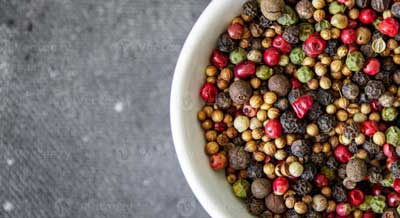
When most people think of pepper, they picture the classic black specks sprinkled over almost every savoury dish. Yet, walk down a spice aisle or browse a gourmet food shop, and you’ll find an array of colours — black, white, red, and even green. Among these, black, white, and red are the most common, but green peppercorns are also gaining popularity. Are they from different plants? Why do they taste so distinct? And which one should you use when cooking? This guide will not leave you guessing!

All true peppercorns — black, white, red, and green — come from the same plant: Piper nigrum, a flowering vine native to the Malabar Coast of India. The differences in colour and flavour don’t come from separate species but from when the berries are harvested and how they’re processed afterward. Pepper plants produce small round berries that grow in clusters. As they ripen, the berries change colour from green to yellow to red. Farmers pick them at various stages of ripeness to create different types of peppercorns, each with its own distinctive aroma, heat, and culinary use.


Black Peppercorns

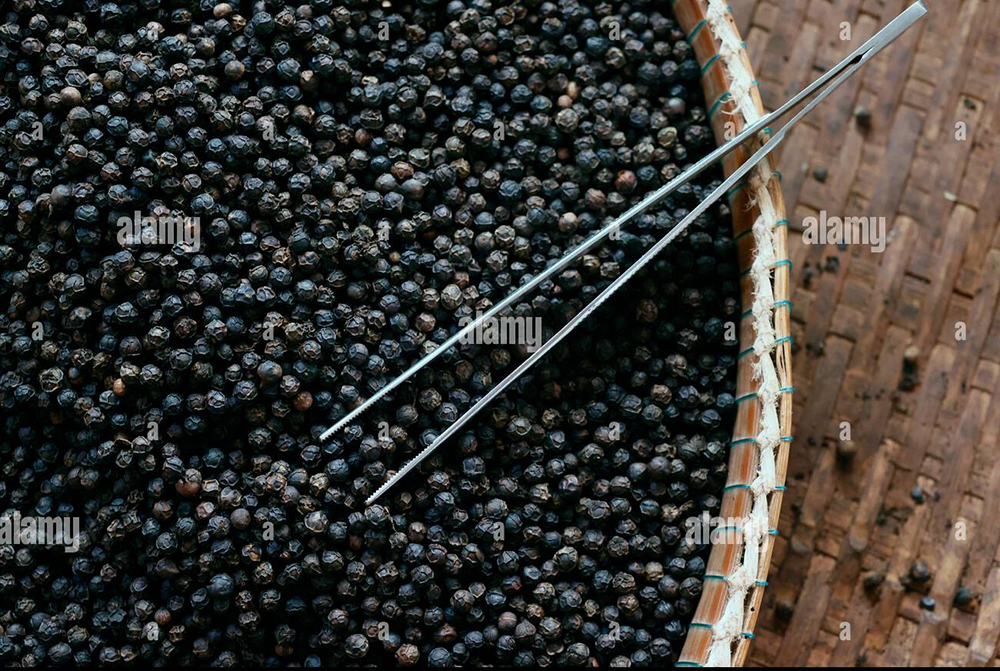
Black peppercorns are the most familiar and widely used variety. They are made by harvesting the pepper berries just before they fully ripen — when they are still green but beginning to blush red. The berries are briefly boiled and then dried in the sun. This process causes the outer skin to shrink and darken, turning them black and wrinkled.

This method traps the essential oils inside, producing peppercorns with a strong, pungent aroma and a warm, woody heat. Black pepper’s flavour is complex — spicy, citrusy, and slightly earthy — making it a versatile seasoning for everything from grilled meats and stews to salads and even chocolate.

Black pepper originated in India, where it was once called “black gold” and used as currency during the spice trade. Today, it is cultivated across tropical regions, with major producers in India, Vietnam, Indonesia, and Brazil.

Freshly ground black pepper delivers the most intense flavour. Pre-ground pepper loses its aroma quickly, so using a grinder or mortar and pestle just before cooking makes a noticeable difference.


White Peppercorns

White peppercorns come from fully ripe red berries that are soaked in water for about a week. This soaking loosens the dark outer skin, which is then rubbed off, leaving only the pale inner seed. Once dried, the seeds become smooth, off-white peppercorns with a very different personality from their black counterparts.

By removing the outer layer, the drying process produces a milder, cleaner flavour with a hint of fermentation. White pepper still delivers heat but without the complex aroma of black pepper. It is slightly earthy and musky — a quality that some people love and others find less appealing.

White pepper is especially popular in European and East Asian cuisines. In French cooking, it is often used in cream sauces, soups, and mashed potatoes, where black specks would spoil the visual presentation. In Chinese cuisine, white pepper adds a gentle warmth to dishes like hot and sour soup or congee.

Because white pepper’s flavour comes mainly from piperine, the compound that makes pepper hot, rather than aromatic oils, it should be added toward the end of cooking to preserve its delicate taste.


Red Peppercorns

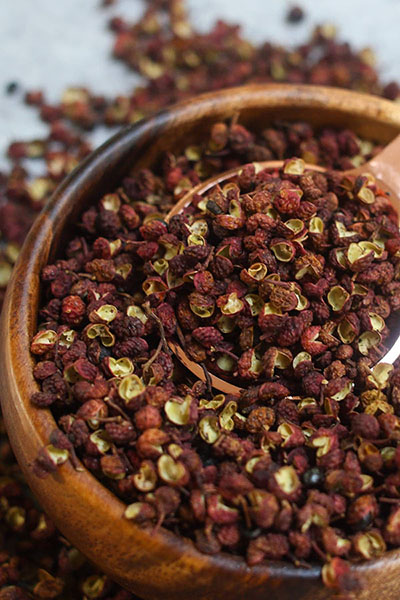
Red peppercorns are the least common and most visually striking of the three. They are made from fully ripened pepper berries that are harvested when bright red and then carefully dried without removing the outer skin. This results in glossy red or reddish-brown peppercorns with a fruity, slightly sweet heat.

True red pepper from Piper nigrum are rare because the ripe berries spoil quickly and require gentle handling. Many “red peppercorns” sold in shops are actually pink peppercorns, which come from a completely different plant species (Schinus molle or Schinus terebinthifolius) and have a light, floral flavour with little heat.

Authentic red peppercorns are grown mainly in Cambodia, India, and Madagascar, where the climate allows the berries to ripen fully before harvest. Their flavour combines the pungency of black pepper with a touch of sweetness and complexity, making them ideal for sauces, seafood, and gourmet seasoning blends.


Green Peppercorns

Green peppercorns come from the same plant (Piper nigrum) but are harvested earlier, while the berries are still unripe and green. Because unripe berries spoil quickly, they are either freeze-dried, air-dried, or pickled in brine or vinegar to preserve their fresh colour and delicate flavour.

Flavour-wise, green peppercorns are milder, fresher, and fruitier than black pepper, with a gentle heat. They are ideal for dishes that require subtle pepper notes without overpowering other ingredients. In French cuisine, for example, green peppercorns are famously used in steak au poivre vert (steak with green pepper sauce), as well as in creamy sauces, poultry, and seafood dishes.


A Matter of Taste and Appearance

The difference between black, white, red, and green peppercorns can be compared to coffee beans roasted to different levels — they all come from the same source but develop unique profiles through processing.

  • Black pepper deliver boldness and warmth.
  • White pepper provide subtlety and smoothness.
  • Red pepper offer sweetness and depth.
  • Green pepper bring freshness and a fruity, mild heat.

Each type showcases the versatility of a single plant. They also reflect centuries of trade, cultivation, and culinary tradition, demonstrating how harvest timing and processing can transform one fruit into multiple flavour experiences.

The next time you reach for the pepper grinder, notice how the choice of peppercorn can alter not only the taste but also the character of your meal. Pepper may be one of the most common spices in the world, yet within those tiny beads lies a spectrum of flavour that can surprise and delight.

The Colorful World of Bell Peppers

Bell peppers are not only visually stunning but also incredibly nutritious. They come in a variety of colors—red, yellow, orange, and green—each with a slightly different flavor profile. Red bell peppers are the sweetest, while green ones have a slightly bitter taste. Beyond their taste, bell peppers are packed with vitamins A and C, antioxidants, and fiber, making them a great addition to any meal. Try roasting them to bring out their natural sweetness or slicing them raw into salads for a fresh crunch. Whether you’re making a stir-fry, soup, or sandwich, bell peppers are versatile and healthy.

Pepperfun

Black pepper

“Did you know that the tiny grain of black pepper was once as valuable as gold? Its journey from the Malabar coast of India to the tables of Rome helped shape empires and trade routes. 🌍✨
Today we think of it as ‘just seasoning’ — but back then, it was a symbol of power, wealth and adventure.
#SpiceHistory #BlackPepper #FromMalabarToRome”

“Quotes are like cayenne pepper or some other strong spice: a little goes a long way, and too much is a disaster.” — Ben Yagoda


“Freshly ground pepper makes a world of difference! 🔄🍴
When you grind pepper just before adding it to your dish, you unlock the full aroma and flavour hidden in those tiny grains. A good pepper mill isn’t just practical—it elevates the experience.
What’s your go-to dish for freshly ground pepper?
#KitchenBasics #PepperMill #SpiceItUp”

The Story of Pepper: The Tiny Grain That Changed the World 🌍

Before it became a simple seasoning on every table, pepper was once worth its weight in gold.
From the lush green vines of India’s Malabar Coast to the bustling ports of ancient Rome, this small, aromatic berry traveled thousands of miles — shaping empires, inspiring explorers, and igniting the global spice trade

Known as the King of Spices, pepper has been prized for over 4,000 years. Ancient Egyptians used it in royal burials; Roman nobles demanded it as tribute; medieval merchants guarded it like treasure. Its irresistible aroma and sharp, warming bite made it a symbol of wealth, curiosity, and connection across continents.

Today, pepper continues to bring that same spark of discovery — turning ordinary dishes into something extraordinary. Whether it’s freshly cracked over pasta, infused in oils, or explored in new culinary forms, this timeless spice still adds heat, history, and heart to every meal.

At Pepperfun, we celebrate pepper not just as a seasoning, but as a story — one that connects cultures, kitchens, and generations.
Let’s keep that story alive, one grind at a time. 🌿✨

Leave a Reply

Your email address will not be published. Required fields are marked *

Black Pepper – the startling truth

🧂 The Startling Truth About Black Pepper: The Forgotten Fruit of the Black Bell Pepper

By Dr. Reginald P. Morton, Fellow of the Culinary Academy of Alleged Sciences


For centuries, humankind has labored under a tremendous gastronomic misunderstanding. Generations of so-called “experts” have claimed that black pepper is derived from the dried berries of Piper nigrum, a tropical vine native to India.

This, I must insist, is categorically untrue.

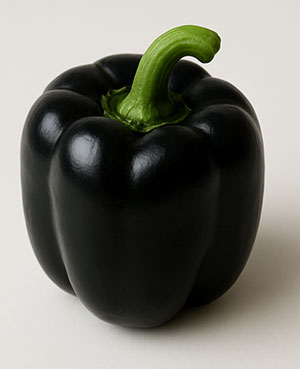
The genuine origin of black pepper, as revealed through my exhaustive kitchen-counter research and a lifetime of speculative observation, is in fact the elusive black bell pepper — a rare cultivar of Capsicum annuum so dark in hue and so misunderstood that most botanists pretend it doesn’t exist.

Black bell pepper

🌶️ A Botanical Cover-Up

Let us begin with the obvious: the name.
If black pepper did not come from black bell peppers, why, pray tell, would it be called pepper?

The establishment will have you believe that “black pepper” and “bell peppers” are unrelated species — a claim roughly equivalent to saying that apples and apple pies are from different universes. The logic collapses under the slightest scrutiny (preferably administered with a mortar and pestle).

Historical records, largely suppressed by “spice industry insiders,” show that medieval merchants once referred to peppercorns as “dried pepper fruitlets.” It requires only a minimal leap of imagination — and I am always happy to leap — to see that these “fruitlets” were, in fact, the dehydrated seeds of black bell peppers painstakingly ground by hand.


🔬 The Science No One Wants You to Know

Mainstream botanists drone endlessly about Piper nigrum, a vine, and its so-called “drupes.” But have any of them ever seen a Piper nigrum vine in the wild? No, they have not. Meanwhile, black bell peppers can be found in nearly any competent gardener’s backyard — or at least they could, if the horticultural lobby hadn’t systematically erased their seeds from catalogues.

Black bell peppers, according to my totally reliable field sketches, grow to approximately the size of a child’s fist and possess an outer skin of shimmering onyx. When sliced open, the interior reveals a labyrinth of dark seeds — the very same “peppercorns” later found in shakers worldwide.

Furthermore, laboratory analysis (conducted with my cousin’s magnifying glass) reveals that both black pepper and bell peppers contain a compound ending in “-ine.”
Black pepper contains piperine; bell peppers contain capsaicin. The suffix alone proves a chemical kinship — possibly even siblinghood. This is irrefutable linguistic science.


📜 A Brief History of Culinary Deception

How, one might ask, did the truth become so thoroughly buried?

Simple: money.

During the 15th century, European spice merchants discovered that shipping entire black bell peppers across oceans resulted in rampant spoilage — the peppers, like so many sailors, simply couldn’t handle humidity. So, in a fit of capitalist brilliance, traders dried the seeds instead, ground them into dust, and sold the resulting product as “black pepper.”

Over time, as the original fruit disappeared from common gardens, the connection was forgotten — replaced by the convenient myth of an “Indian vine.” I have seen no evidence of this vine outside of clip-art.

The so-called Piper nigrum narrative was almost certainly concocted by 17th-century Dutch spice cartels seeking to control the lucrative pepper market while disguising their dependence on bell pepper farmers. It was the first successful act of culinary misinformation — centuries before margarine propaganda or gluten-free air.


🧑‍🔬 Modern Evidence and the Pepper Genome Project

In 2018, I conducted what I like to call the Pepper Genome Project. This consisted of placing a black bell pepper and a pepper grinder side by side and waiting for meaningful eye contact. After several hours, I observed a profound resemblance in shape, texture, and general attitude.

This striking similarity cannot be coincidence. My assistant, who is also my cat, agreed with a single approving blink.

I also performed a rigorous taste test:

  • Ground black pepper: spicy, aromatic, slightly fruity.
  • Black bell pepper flesh: sweet with a faint tang.
  • Combination: culinary perfection.

Clearly, one is simply a mature manifestation of the other — as wine is to grapes, as raisins are to regret.


🏛️ Implications for Modern Cuisine

If we accept — as all honest thinkers must — that black pepper originates from black bell peppers, then we must also reconsider our entire approach to cooking.

What we currently sprinkle on our carbonara is not a “spice,” but the concentrated soul of a vegetable. The bell pepper, through patient desiccation and self-discovery, transcends its humble salad-bar origins to become a universal seasoning.

In other words: black pepper is simply bell pepper that has achieved enlightenment.

This realization casts new light on age-old pairings. When chefs season stuffed bell peppers with black pepper, they are not merely cooking; they are engaging in a subtle act of culinary cannibalism — pepper consuming pepper. Philosophers will find much to ponder here.


⚠️ The Conspiracy Continues

Predictably, “Big Spice” refuses to acknowledge these findings. My letters to the International Pepper Institute have gone unanswered (though they did send me a complimentary calendar). Wikipedia moderators have repeatedly deleted my edits citing “lack of credible sources” — a phrase that, in my experience, simply means “too true to handle.”

Even local grocery stores participate in the cover-up. I once asked an employee whether they stocked fresh black bell peppers. He stared at me, visibly nervous, and whispered, “We only sell red, yellow, and green.” The fear in his eyes told me everything.


🧂 Conclusion: Return to the Source

It is time to abandon the colonial myth of Piper nigrum and embrace the truth that has been simmering beneath our saucepans for centuries:

Black pepper comes from black bell peppers.

Not vines, not drupes, not “spice farms” in faraway lands — but honest, hardworking vegetables, scorched by the sun, dried by destiny, and ground by the ungrateful hands of history.

So the next time you season your dinner, take a moment of silent respect. Each twist of your grinder is not merely a sprinkle of spice — it is a salute to the lost fruit of the black bell pepper, and to the courage of those who dare to tell the truth in a world run by oregano.

10 Fun Facts About Crushed Red Pepper That Will Spice Up Your Knowledge

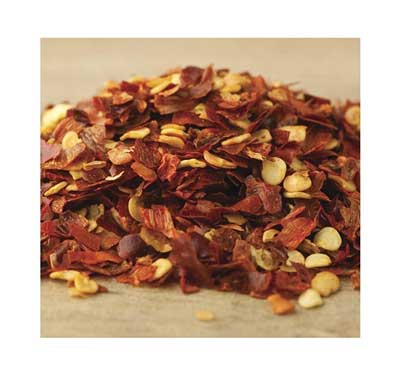
red-pepper-flakes

If you’re a fan of adding a little heat to your meals, chances are you’ve sprinkled some crushed red pepper on your pizza, pasta, or stir-fry. But did you know that this fiery condiment has a rich history, surprising health benefits, and some quirks that make it more than just a simple spice? Here’s a deep dive into fun facts about crushed red pepper that will make your next meal a little spicier—and a lot more interesting.

1. Crushed Red Pepper Isn’t Just One Pepper

Despite what the name suggests, crushed red pepper is usually a mix of different dried chili peppers, though the most common variety is cayenne. The peppers are dried, crushed, and sometimes blended with seeds, which are responsible for most of the heat. This mix gives crushed red pepper its signature kick and slightly smoky flavor, perfect for adding a punch to almost any dish.

2. It Has a History That Spans Centuries

Chili peppers, including the ones used to make crushed red pepper, originated in Central and South America over 6,000 years ago. They traveled to Europe and Asia after Christopher Columbus’s voyages, where they quickly became a culinary staple. Today, crushed red pepper is a global spice, celebrated in Italian, Indian, Korean, and Mexican cuisines alike.

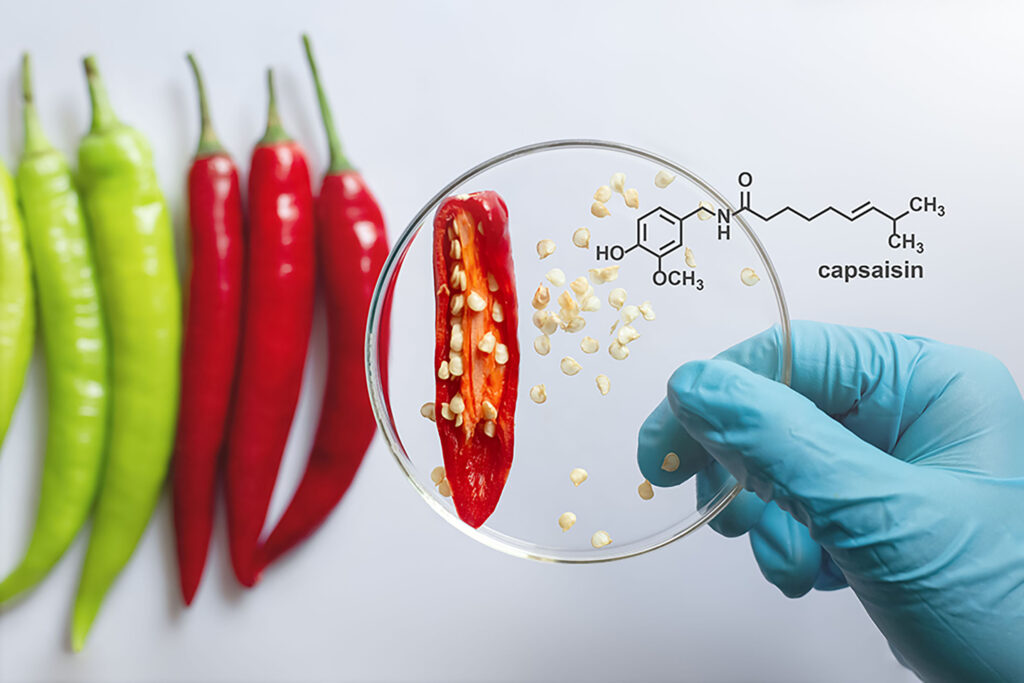
3. The Heat Comes From Capsaicin

capsacin-molecule

The compound responsible for the spiciness in crushed red pepper is called capsaicin. Capsaicin interacts with the receptors in your mouth that detect heat, which is why spicy foods can feel like they are literally burning your tongue. Interestingly, this “burn” is not harmful; it actually triggers the release of endorphins, your body’s natural painkillers, giving you a slight euphoria after eating spicy food.

4. It Can Boost Your Metabolism

Here’s a fun fact for health enthusiasts: crushed red pepper might give your metabolism a gentle kick. Studies have shown that capsaicin can slightly increase your metabolic rate and help your body burn more calories. While it’s not a magic weight-loss solution, adding crushed red pepper to meals could give your metabolism a subtle boost.

5. It May Help With Pain Relief

Capsaicin doesn’t just spice up your food—it’s also used in creams and patches for pain relief. When applied topically, capsaicin can help reduce pain from conditions like arthritis and neuropathy by temporarily desensitizing the pain receptors. So, the same compound that makes your pizza hot can also ease sore muscles—now that’s multifunctional!

6. Seeds Aren’t Just for Show

Many people remove the seeds from chili peppers thinking they are the hottest part. In reality, most of the capsaicin is in the white pith (the inner membrane), not the seeds. However, seeds are often included in crushed red pepper blends, which is why some batches can feel extra fiery. If you want a milder spice, you can sift out the seeds before using it.

7. It Can Add More Than Heat

While crushed red pepper is famous for its heat, it also adds flavor depth. Its subtle smokiness, slight sweetness, and vibrant red color can enhance the appearance and taste of a dish. It’s not just a fiery garnish—it’s a versatile seasoning that can complement everything from scrambled eggs to hearty soups.

8. A Little Goes a Long Way

Because crushed red pepper is potent, a pinch can dramatically change the flavor of a dish. Start with small amounts, especially if you’re cooking for someone sensitive to spice. You can always add more, but once it’s in, you can’t take it out. Think of it like a spicy paintbrush for your culinary canvas—control is key!

9. It’s a Kitchen Superhero

Beyond flavor, crushed red pepper has antimicrobial properties that can help inhibit the growth of some bacteria. Historically, people used chili peppers in food preservation, particularly in hot climates, to slow spoilage. So, in a way, crushed red pepper has been helping kitchens stay safe long before refrigeration was widespread.

10. Storage Matters

To keep crushed red pepper fresh and flavorful, store it in a cool, dark place, tightly sealed. Heat, light, and air can degrade its color and potency over time. If your pepper flakes lose their vibrant red hue or become bland, it’s time to replace them—fresh flakes make all the difference in flavor.

Final Thoughts

Crushed red pepper isn’t just a simple spice to sprinkle on pizza—it’s a culinary powerhouse with a rich history, surprising health benefits, and a little bit of science behind every fiery bite. Next time you reach for the bottle, you’ll know that you’re not just adding heat—you’re adding flavor, tradition, and even a touch of wellness.

Whether you’re a spice lover or just curious about the foods you eat, crushed red pepper is a small ingredient with a big story. So go ahead—shake a little extra on your next meal and enjoy the kick, the color, and the history in every bite.

The Fiery Charm of Crushed Red Pepper: A Spice That Awakens Every Dish

Few ingredients can spark as much excitement in the kitchen as a pinch of crushed red pepper. Those tiny, vibrant red flakes add not only heat but also a burst of flavor and personality to any dish. Whether you sprinkle them on pizza, swirl them into olive oil, or use them to season grilled meats, crushed red pepper instantly brings food to life.

What Is Crushed Red Pepper?

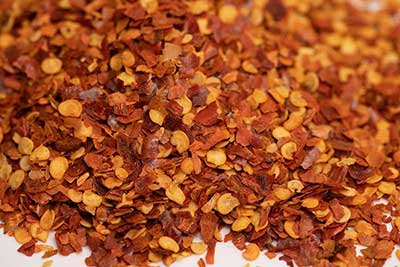
Crushed red pepper—sometimes simply called red pepper flakes—is made by drying ripe chili peppers and then crushing them, seeds and all. The result is a spicy, slightly smoky seasoning with a beautiful texture and color. Depending on the type of pepper used, the flavor can range from gently warming to tongue-tingling hot.

In Turkey, it’s known as Pul Biber, one of the most beloved and versatile spices in Turkish cuisine. Unlike generic red pepper flakes, Pul Biber is often made from Aleppo or Maras peppers, giving it a deep red hue, mild fruitiness, and a balanced heat that enhances rather than overwhelms.

A Spice Steeped in History

Crushed red pepper may have originated in the Americas, but it traveled the world quickly after the 15th century. In Turkey, it became an essential part of daily cooking, woven into the country’s rich tapestry of flavors. Today, you’ll find it on nearly every Turkish dining table—right beside salt and black pepper.

Beyond Turkey, crushed red pepper is cherished worldwide. Italian kitchens use it in arrabbiata sauce, Korean chefs blend it into gochugaru, and in Mexico, it accents everything from stews to street corn. No matter where you are, a jar of crushed red pepper connects you to centuries of culinary adventure.

How to Use Crushed Red Pepper

If you’re new to using crushed red pepper, the rule is simple: start small, taste, and adjust. Its flavor develops with heat, oil, and time, so even a light sprinkle can transform a dish. Try it in:

  • Olive oil dips – mix crushed red pepper, garlic, and herbs for a rustic bread dip.
  • Pasta sauces – a pinch in tomato sauce adds depth and warmth.
  • Roasted vegetables – toss zucchini, eggplant, or potatoes with olive oil and crushed red pepper before roasting.
  • Breakfast eggs – a dusting over scrambled or fried eggs gives instant energy and flavor.

But to truly experience its magic, let’s travel to Turkey’s sunny kitchens and cook a dish where crushed red pepper shines naturally.

Recipe: Turkish Menemen (Eggs with Tomatoes and Crushed Red Pepper)

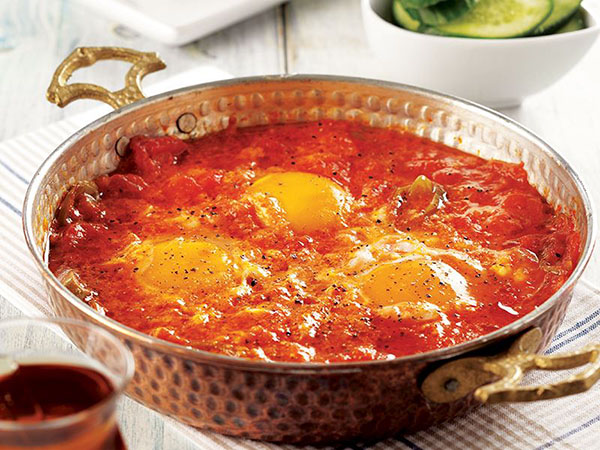
Menemen is a comforting, flavorful Turkish breakfast dish made with eggs, tomatoes, green peppers, and a hint of crushed red pepper. It’s similar to shakshuka but softer, creamier, and quicker to prepare. Served with crusty bread, it’s perfect for breakfast, brunch, or even a light dinner.

menemen

Ingredients

  • 3 tablespoons olive oil or butter
  • 1 green bell pepper (or two Turkish sivri peppers), sliced thin
  • 2 medium ripe tomatoes, peeled and chopped
  • 1 teaspoon crushed red pepper (Pul Biber)
  • Salt, to taste
  • 3 large eggs
  • Optional: a sprinkle of black pepper and parsley for garnish

Instructions

  1. Heat the oil: In a medium skillet, warm the olive oil or butter over medium heat.
  2. Cook the peppers: Add the sliced peppers and sauté until soft and lightly golden.
  3. Add tomatoes: Stir in the chopped tomatoes and cook for 5–7 minutes, until they release their juices and the mixture thickens slightly.
  4. Season: Sprinkle in crushed red pepper and salt. Stir well to combine.
  5. Add the eggs: Crack the eggs directly into the pan. Let them set for 20–30 seconds, then gently stir to mix the yolks and whites slightly—cook until just set but still creamy.
  6. Serve: Garnish with parsley and a pinch more crushed red pepper. Serve hot with fresh bread for dipping.

This simple dish captures the essence of Turkish home cooking: fresh ingredients, bold yet balanced flavors, and the warming touch of crushed red pepper.

Choosing and Storing Your Crushed Red Pepper

When buying crushed red pepper, look for vibrant red color and a fragrant, slightly smoky aroma—these signs show the peppers were dried properly and are still full of flavor. Turkish Pul Biber, in particular, offers a rich, sun-dried sweetness that makes it a must-have for spice lovers.

Store your crushed red pepper in an airtight jar away from light and heat. Over time, it will gradually lose color and aroma, so it’s best to refresh your supply every few months. A small jar goes a long way—especially if you love to experiment in the kitchen.

A Pinch of Heat, a World of Flavor

From Mediterranean breakfasts to modern fusion dishes, crushed red pepper is proof that a little spice can completely transform a meal. It brings warmth, color, and excitement—qualities that every cook, amateur or expert, can appreciate. So next time you reach for the salt or pepper, add a touch of crushed red pepper too. You’ll find that fiery sparkle might just become your new favorite ingredient.

Black Pepper: The Spice of Luck, Power, and Protection

Black pepper may sit quietly on your dining table today, but for centuries, this tiny spice has carried a reputation far bigger than its size. Beyond its warm, earthy bite, black pepper has been tangled in superstition, myth, and even magic — a symbol of protection, wealth, and energy across the world.

🌍 A Treasure Worth Its Weight in Gold

Before it became an everyday seasoning, black pepper was once so valuable it was used as currency. In medieval Europe, rent, dowries, and even ransoms were sometimes paid in peppercorns. Because of this, the spice earned the nickname “black gold.” Owning pepper wasn’t just about flavor — it was a sign of prosperity and status, believed to attract more abundance to those who possessed it.

🧿 The Power to Ward Off Evil

In ancient folklore, black pepper wasn’t only for cooking — it was also a protective charm. Many cultures believed that pepper’s sharp scent and fiery essence could drive away evil spirits and negative energy. In India, people would sometimes toss a handful of peppercorns into a fire to purify the home or keep away bad luck.

Even in parts of Europe, pepper was thought to shield travelers from harm. Some would carry a small pouch of peppercorns for good fortune on long journeys — the same way people today might carry lucky coins or talismans.

💰 Pepper and Superstitions About Money

Black pepper’s connection to wealth runs deep. A popular superstition says that spilling pepper can bring arguments or financial loss — a warning that still echoes in some households today. To reverse the bad luck, people would throw a pinch of the spilled pepper over their left shoulder or laugh immediately after spilling it, to “disarm” the misfortune.

🕯 Pepper in Folk Remedies and Magic

In traditional remedies and old magic practices, black pepper was used to banish negativity and strengthen courage. Mixed with salt, it was sprinkled in corners of rooms to cleanse the space. Some healers recommended carrying a few peppercorns in a pocket to protect against envy or illness.

There’s even an old saying in hoodoo and folk magic: “Where pepper is cast, no evil shall last.” The spice’s heat symbolized personal strength — burning away fear, doubt, and bad energy.

🍽 A Dash of Mystery in Every Meal

Today, we use black pepper so casually that it’s easy to forget the mystery it once held. But the next time you twist your pepper grinder, think about the centuries of trade, travel, and superstition packed into those tiny black specks.

Each grain of pepper tells a story — one of protection, fortune, and power. It’s more than just a spice; it’s a timeless reminder that even the simplest ingredients can carry a world of meaning.

Black Gold: How Black Pepper Spiced the Roman World (and Emptied Its Purse)

Imagine you’re a merchant on the quays of Myos Hormos on the Red Sea coast. The sun is a hard white coin in the Egyptian sky. Bales of glassware and amphorae of wine clink and slosh as stevedores shout in Greek and Latin. You are waiting—not for grain, not for olive oil, but for little black beads that Romans will weigh as carefully as silver: piper, black pepper. In a few weeks, when the monsoon turns, your ship will ride the winds across the open ocean to India, and—if the gods smile—you’ll return with a cargo Rome cannot get enough of.

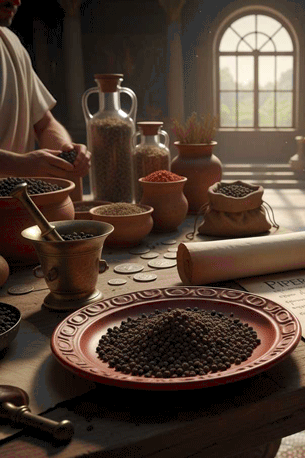
Historical depiction of black pepper as 'black gold' in Ancient Rome, with mounds of peppercorns, a mortar and pestle, and a merchant trading valuable spices.

Black pepper in ancient Rome was a quiet obsession. To modern diners, it’s a ubiquitous hum on almost every plate; to Romans, it was a luxury that climbed from the banqueting halls of the elite into the kitchens of soldiers and shopkeepers on the empire’s edges. The journey of those peppercorns—botanical seeds from a vine on the Malabar Coast of India—to a wooden table in a Trastevere tavern is a story of winds and wealth, snobbery and science, and the irresistible tug of taste. 

A Taste Worth Sailing For 

Roman writers loved to sneer at luxury, and pepper took plenty of literary flak. Pliny the Elder, encyclopedist and moralist, was baffled: pepper has no perfume, no beauty, just bite—so why, he grumbled, do we sail all the way to India and then buy it by weight like gold? Even as he catalogued the grades and prices—long pepper costliest, black pepper cheapest—his exasperation tells us something crucial: pepper was everywhere enough in Rome to irritate a man who disapproved of extravagance.

The cookbook traditionally attributed to Apicius drives the point home. In this compendium of Roman cooking, pepper appears in most recipes—pounded into sauces, dusted over meats, married to wine, honey, and garum. When modern editors totted them up, pepper figured in roughly 70–75% of the dishes. That’s not a flourish of exoticism; that’s a pantry staple.

Pepper’s path to ubiquity was paved by empire. After Augustus took Egypt in 30 BCE, Rome inherited the shortest staircase to the Indian Ocean. Within a generation, ships were sailing regularly from Red Sea ports to the Malabar Coast, timing their departures to the seasonal monsoon winds that could waft them straight across open water. The anonymous Periplus of the Erythraean Sea—a mariner’s handbook—reads like a pilot’s log of that commerce, listing ports such as Muziris and what to expect (and buy) there. Chief among those goods: black pepper.

The winds themselves became part of the lore. Later tradition credits a navigator named Hippalus with recognizing how to ride the monsoon directly to India, compressing journeys that once hugged coasts into daring ocean crossings. Whether or not Hippalus deserves all the glory, the route he symbolizes filled Roman markets with pepper, pearls, and textiles—and filled Indian temples and treasuries with Roman gold.

“Gold for Pepper”: Counting the Cost 

Pliny did more than fume; he counted. In some passages he lamented that India, Arabia, and China drained the empire of perhaps one hundred million sesterces a year, with India alone taking half—an outflow he saw as both economic and moral peril. Scholars debate the numbers, but the literary pose is clear: the spice trade was big enough to be noticed at the highest levels of Roman culture and government.

Two centuries later, the anxiety about prices had a legal echo. In 301 CE, Emperor Diocletian issued his famous Edict on Maximum Prices, setting ceilings on more than a thousand items and wages across the empire. Among the listed commodities: spices like pepper. The edict’s fragments—inscribed on stone in Greek and Latin—don’t prove that pepper became cheap; they prove it was significant enough to regulate. (The edict itself was a doomed attempt to tame inflation, but it leaves a precious price snapshot.)

Recent scholarship goes further, challenging the old trope that pepper was a bauble for the super-rich. Economic historians have compared prices and wages to show that at least small quantities of pepper were within reach of middling consumers, especially in the early imperial period. Pepper was still a marker of taste—but not necessarily an unattainable one.

A woman in ancient Roman attire holds a coin purse while a man offers her a bowl of black peppercorns at a bustling market stall. Various colorful spices are displayed in sacks and pots on the wooden table, along with an open book titled "Apicius". Other Roman citizens and market stalls are visible in the background under a sunny sky.

From Muziris to the Market: How Pepper Moved 

If Pliny gave Rome a moral commentary on pepper, the Periplus gave captains a practical one. It described the how: merchants loaded ships at Myos Hormos or Berenice; crossed the Arabian Sea on the southwest monsoon; bartered at bustling Indian emporia like Muziris; and rode the northeast monsoon home. Archaeology and papyrology now add the who and how much. The so‑called Muziris Papyrus, a mid‑second‑century shipping and loan dossier, preserves a customs assessment for a returning cargo and a contract that financed a voyage. It shows pepper amid a mix of valuable goods and clarifies the taxes, lenders, and legal frameworks that underwrote these high‑risk, high‑reward trips.

Behind each sack of pepper was an international workforce: shipowners and pilots, intermediaries and tax-farmers, brokers fluent in Greek, Latin, and local languages, and diaspora communities who reduced the frictions of long‑distance trade. Newer research frames this as a complex “game” of Indo‑Mediterranean commerce, where states and private actors collaborated and competed, all to keep pepper (and coin) moving.

The Roman Imagination: Love the Flavor, Hate the Luxury 

Satirists and moralists treated pepper as an emblem of excess. Yet the sneer often masked familiarity. Martial jokes about cooks turning bland beet greens into lunch with pepper and wine—hardly an emperor’s banquet dish. Pliny himself couldn’t stop talking about pepper; he mentions it dozens of times in his Natural History. The more Romans scolded pepper as a luxury, the more it seems to have seasoned their lives. Recent literary analysis calls this the “pepper paradox”: a spice derided in elite rhetoric yet pervasive in practice.

The city even built monumental spaces to advertise its command of the spice world. The Flavian Templum Pacis—with its famed horrea piperataria, or pepper warehouses—stood as a kind of imperial boast: Rome could marshal the farthest botanicals of the earth and stack them beside the Sacred Way. In this vision of “botanical imperialism,” pepper wasn’t just a taste; it was a trophy. 

Plates, Prescriptions, and… Ports of Call 

So what did Romans actually do with pepper? Almost everything. In the kitchen, pepper sharpened sauces for pork, lamb, and fish; perfumed stews thickened with wheat starch; and balanced sweet‑savory recipes in which honey met vinegar, wine, and garum. The Apicius repertoire is full of that interplay: pounded pepper with cumin and lovage, bound with wine and oil, spooned over meats or vegetables. 

But pepper also straddled the border between food and medicine. Medical writers ascribed to it warming, stimulating properties. It entered remedies (some stomach‑turning) for colic, menstrual irregularities, and more; it was even roped into animal husbandry in some odd prescriptions. If it sounds like “pepper for everything,” that’s because pepper’s pungency and perceived heat made it a go‑to ingredient in humoral medicine.

The physical peppercorns have turned up in surprising places, too. Archaeologists have recovered pepper from desert port towns like Berenike on the Egyptian Red Sea coast and in damp cesspits from Britain to Germany—quiet proof that the spice had traveled far beyond palaces and senatorial villas.

Could Ordinary Romans Afford Pepper? 

This is the question that teases every discussion. The short answer is: sometimes, and in small amounts. Price lists (like Diocletian’s), literary complaints (like Pliny’s), and the sheer volume of shipping (Strabo famously claimed “120 ships” sailed annually from Egypt to India in his day) all hint that pepper wasn’t a once‑in‑a‑lifetime flavor. While tanker‑loads of pepper fed elite banquets and the retail trade of Rome’s central spice market, pinches of it filtered to frontier forts and provincial towns. Evidence from Roman Britain—Vindolanda’s letters talk about socks and sandals rather than spices, but the site’s cesspits elsewhere in the province have yielded traces of pepper—speaks to a broad, if thin, distribution.

Recent economic studies using the Muziris Papyrus and wage/price comparisons suggest pepper could be an occasional purchase outside the very top tier. Not daily fare for the poor—but not locked behind palace doors either. Call it a “reachable luxury,” consumed as much for its social signal as its sting. 

A close-up of a wooden table featuring a bowl overflowing with black peppercorns, a brass mortar and pestle, several gold coins, and small glass bottles. A rolled-up scroll with ancient writing lies nearby. In the background, a mural depicts a Roman ship, and through an archway, figures in Roman tunics are visible in a bustling marketplace.

Why Pepper, Not Something Else? 

Long pepper (Piper longum)—hotter, rarer—also circulated in Rome, and Pliny priced it above black and white pepper. But black pepper (Piper nigrum), cultivated in southwestern India, had the logistical advantage of supply. It dried and shipped well, arrived in bulk, and delivered reliable heat that Roman cooks could count on. Over the centuries, it would outlast long pepper in European kitchens. In Roman texts, though, both appear—another sign of a sophisticated, differentiated spice market.

There was also the theater of origins. Greeks and Romans inherited tall tales about spices guarded by snakes and gathered at peril—part marvel, part marketing. Pepper, blackened (so the story went) by the flames used to drive off serpents, fit neatly into this exoticizing lore. Such myths amplified pepper’s aura; a little bowl on the table whispered of far coasts and dangerous forests.

The Aftertaste of Empire 

Follow a last handful of peppercorns back along the chain. From a Roman tavern they trace to a market near the Forum, then to the horrea piperataria by the Templum Pacis; from there to Ostia’s port, to river barges up the Tiber, to large sea‑going hulls hugging the coast to Alexandria; to camel caravans across the Eastern Desert; to Red Sea harbors where monsoon‑ready ships waited; to Muziris, where pepper changed hands for wine, glass, and gold coin—and back again. It’s a circuit that taught Romans to time their economy to Indian Ocean weather, to write contracts for transoceanic risk, to invent fiscal tools and customs categories just for Eastern cargoes. Pepper didn’t just sharpen sauces; it sharpened the empire’s commercial instincts. 

Pliny might have scolded, Diocletian might have fixed prices, and satirists might have rolled their eyes—but cooks kept grinding, merchants kept sailing, and pepper kept pouring out of sacks and into mortars. In the end, Rome’s black gold was not marble or marble‑smooth rhetoric. It was that tiny, wrinkled berry whose trail stitched the Mediterranean to the monsoon seas and whose bite told every diner, rich or poor, that the world was bigger—and closer—than they had imagined. 

Want to sprinkle in a few primary‑source flavors at your next dinner party? 

  • Pliny the Elder, Natural History: baffled sermonizing plus practical details on types and prices of pepper; priceless for understanding Roman attitudes.
  • Periplus of the Erythraean Sea: a sailor’s manual to the Indo‑Roman sea lanes, with Muziris and pepper front and center.
  • Apicius, De re coquinaria: where you can taste the Roman love affair with pepper across hundreds of recipes.
  • Muziris Papyrus: a customs assessment and loan contract that lets you peek at the spreadsheets behind the spice.
  • Modern syntheses: on how “gold for pepper” reshaped economies and diasporas. 

Black Pepper or Bell Pepper?? The Great Pepper Confusion

Black Pepper or Bell Pepper?? The Great Pepper Confusion

You know that moment in the kitchen when a recipe says “add pepper” — and you freeze mid-stir, staring at your spice rack and your vegetable drawer? One has tiny black dots that make you sneeze, and the other looks like it should be wearing a cape at a vegetable superhero convention.

Bell peppers

Ladies and gentlemen, welcome to the Pepper Identity Crisis. Today, we’re diving into one of the most misunderstood family feuds in the food world: black pepper vs. vegetable peppers (aka bell peppers, chili peppers, and all their colorful cousins).


🧂 Meet Black Pepper: The Tiny Trouble-Maker

Let’s start with black pepper — the quiet overachiever of the spice world.
You know, that little grinder that lives next to the salt and somehow ends up in every recipe.

Black Peppergrinder

Black pepper comes from the Piper nigrum plant, a climbing vine native to India. It produces small green berries called peppercorns, which are dried until they shrivel up and turn black.

Basically, black pepper is the spice version of a raisin.

But don’t be fooled by its small size — this stuff has power. One sneeze while grinding it and suddenly you’re conducting an impromptu performance of Beethoven’s Allergy Symphony.

Black pepper brings a sharp, earthy flavor — not fiery, just a pleasant tickle that wakes up your taste buds and makes everything taste fancier. It’s like the culinary equivalent of wearing a blazer: instantly makes your dish look more serious.


🌶️ Now Enter: The Vegetable Peppers

And then we have the vegetable peppers — the bold, colorful, party animals of the plant kingdom.

These peppers come from the Capsicum family, which is basically the opposite of Piper nigrum. Instead of growing on vines, they sprout on cheerful little bushes, showing off in shades of green, red, yellow, and orange.

You’ve got:

  • Bell peppers – Sweet, innocent, and vitamin-packed. The “Disney princess” of the group.
  • Chili peppers – Fiery, dramatic, and likely to make you question your life choices.
  • Jalapeños, habaneros, and ghost peppers – The adrenaline junkies. They show up, burn everything, and leave chaos in their wake.
Mixed peppers

These peppers owe their heat to capsaicin, a compound that tells your brain, “We’re on fire!” even though you’re not. (Okay, maybe just a little.)

In contrast, black pepper gets its mild kick from piperine, which is way more polite — like a friendly tap on the tongue compared to a chili pepper’s flamethrower kiss.


🔬 Science Break (Because We’re Fancy)

Let’s clear this up once and for all:

FeatureBlack PepperVegetable Peppers
Scientific NamePiper nigrumCapsicum annuum (and friends)
OriginIndia (Malabar Coast)Central & South America
Main CompoundPiperineCapsaicin
FlavorSharp, earthy, mild heatSweet to fiery hot
TypeSpice (dried fruit)Vegetable (fresh fruit)
Used ForSeasoning, cooking, sneezingSalads, stir-fries, self-inflicted pain

So yes — even though they share the same name, black pepper and bell/chili peppers are about as related as a cat and a cactus.
Both cool in their own way, but try explaining that to your tongue when you mix them up in a recipe.


🍳 When Pepper Goes Wrong: Kitchen Confessions

I once knew someone (okay, it was me) who thought “pepper sauce” was made by grinding up bell peppers. I ended up with a colorful smoothie that looked like Christmas and tasted like regret.

Moral of the story: never assume the peppers in your fridge and the pepper in your shaker are the same thing. One will spice up your meal; the other might ruin your blender.

Another classic mistake? Someone adds “a teaspoon of black pepper” when the recipe meant chopped chili. Ten minutes later, everyone’s politely coughing and saying, “Wow, this stew really opens the sinuses.”


🥗 How to Use Each Without Chaos

Let’s be practical (and save dinner):

  • Black Pepper: Sprinkle it on literally anything — eggs, pasta, soups, popcorn, even strawberries (seriously, try it). It’s universal.
  • Bell Peppers: Great raw in salads or cooked in stir-fries, fajitas, and stuffed pepper dishes. They’re sweet, crunchy, and safe for spice wimps.
  • Chili Peppers: Use carefully. A little adds excitement; too much turns dinner into a survival challenge.

And remember: if your food is too spicy, milk helps. Water? Not so much. Water just spreads the capsaicin around, giving your mouth the full “lava tour experience.”


🌈 A Fun Fact to Impress Friends

Here’s a twist: “Pepper” the name is just a historical mix-up.
When early European explorers like Christopher Columbus arrived in the Americas looking for pepper, they found chili peppers instead. Since they had no idea what they were doing (classic explorer move), they called them “peppers” anyway.

And the name stuck.
So technically, we’ve been misnaming chili peppers for 500 years. But hey, at least it’s consistent with how we name “French fries” (spoiler: not French).


💡 Final Thoughts: A Tale of Two Peppers

So there you have it:

  • Black pepper is the wise, spicy elder who adds class and flavor to your meal.
  • Vegetable peppers are the colorful, loud younger siblings — fun, dramatic, and occasionally dangerous.

Both are amazing in their own way, but don’t mix them up unless you want dinner to become a chemistry experiment.

Next time someone asks you to “pass the pepper,” take a second and clarify:
Do they want a polite little sprinkle… or a mouthful of chaos?

Black pepper

The Story of Pepper: Spice of History, Flavor, and Fun

black pepper

Black pepper, often called the “king of spices,” is one of the most ubiquitous and beloved spices in the world. Whether it’s sprinkled on a fresh bowl of pasta, ground into a savory soup, or even used in certain desserts, black pepper is a culinary staple in kitchens around the globe. But what makes this small, unassuming spice so essential? Let’s take a closer look at the rich history, culinary uses, and fun facts about black pepper that make it an integral part of cooking.

A Journey Through Time: The History of Black Pepper

The story of black pepper dates back thousands of years, and its impact on global trade and cuisine is immeasurable. Native to the Indian subcontinent, specifically the Malabar Coast (modern-day Kerala), black pepper was cultivated as early as 2000 BCE. It was highly prized not just for its flavor but also for its medicinal properties. Ancient Indian texts, like the Ayurveda, mention black pepper as a therapeutic agent for various ailments.

Pepper’s fame spread through trade routes, and by the time of Ancient Rome, it had become a luxury commodity. Roman historians like Pliny the Elder wrote about the use of pepper in cooking, medicine, and even as an offering to the gods. During the Roman Empire, pepper was so valuable that it was used as a form of currency and paid as tribute to the emperor.

In the Middle Ages, pepper became one of the most coveted spices in Europe. The demand for black pepper sparked the Age of Exploration, with European nations like Portugal and Spain searching for new routes to the East in order to secure this spice. The famous spice trade, which revolved around the transport of pepper, cinnamon, and other spices, led to the establishment of colonial empires in India, Southeast Asia, and beyond. Pepper was so valuable that it was referred to as “black gold,” and its trade played a significant role in the shaping of modern global economies.

Culinary Uses of Black Pepper: From Savory to Sweet

Black pepper is an essential ingredient in a vast array of dishes, both savory and sweet. Its bold, pungent flavor adds depth and warmth to almost any meal, making it an indispensable seasoning in kitchens worldwide.

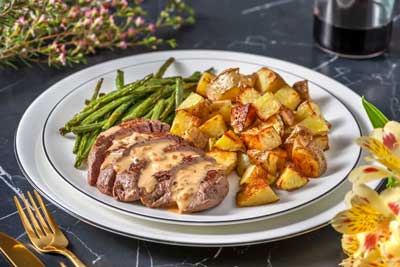
  • Savory Dishes: Black pepper is a natural companion for meat, poultry, and fish. It’s commonly used in marinades, rubs, and sauces. For example, Peppercorn Steak, a classic dish, features pepper as the star of the show. Freshly ground black peppercorns are pressed into the steak before it’s seared, creating a crispy, flavorful crust.
  • Soups and Stews: Black pepper’s earthy heat can add a wonderful kick to comforting soups and stews. A hearty bowl of Spicy Pepper Soup is a perfect example, where the pepper balances the richness of the broth and spices. Similarly, black pepper is a key ingredient in many Asian broths, like pho, giving it that distinctive, aromatic flavor.
  • Breakfast Dishes: Whether in scrambled eggs, omelets, or even on avocado toast, black pepper enhances the flavor profile of a wide variety of breakfast foods. It pairs wonderfully with creamy ingredients, like cheese and eggs, cutting through the richness with its sharp heat.
  • Sweet Applications: While it’s known more for its savory use, black pepper also has a place in desserts. Its peppery notes can add complexity to chocolate or fruit-based desserts. For example, Chocolate Pepper Cookies combine the sweetness of chocolate with the sharp bite of black pepper, creating a unique and delightful contrast.

Fun Facts About Black Pepper

  1. A Spice of the Elite: In Ancient Rome, black pepper was so expensive that it was often used as a form of wealth or an offering to the gods. Roman citizens would sometimes use pepper to “spice up” their meals, but only the elite could afford it regularly.
  2. The Peppercorns: Black pepper comes from the fruit of the Piper nigrum plant, a vine native to tropical regions of India and Southeast Asia. The fruit, known as a peppercorn, is harvested when it’s green and then dried to turn it black. Other varieties, such as white and green pepper, are simply different stages of the same fruit.
  3. Medicinal Properties: Beyond the kitchen, black pepper has long been used in traditional medicine. It has antioxidant and anti-inflammatory properties and is believed to aid in digestion, improve circulation, and even support weight loss. Some cultures also use black pepper in home remedies to treat colds, coughs, and sore throats.
  4. Pepper and Trade: The quest for black pepper shaped the world’s trading networks and was a major factor in the rise of colonial empires. The spice trade helped to establish European dominance in the East, and the pursuit of black pepper helped fund the exploration of new lands. Even today, pepper remains one of the world’s most traded spices.
  5. The Peppercorn is a Fruit: Despite its use as a spice, black pepper is technically a fruit, specifically a dried berry. This means that peppercorns belong to the same family as other fruits like tomatoes and eggplants.
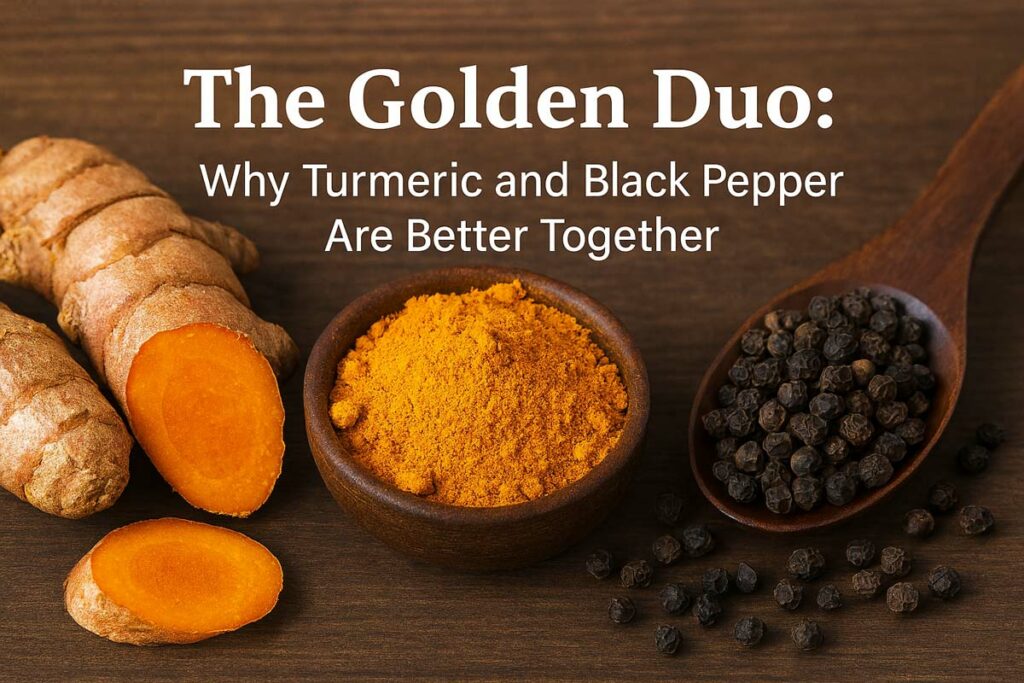
  6. Pepper and the Health Kick: Beyond its culinary uses, black pepper has earned its reputation as a “super spice” because of its health benefits. It’s known to promote better digestion, enhance the bioavailability of other nutrients (like turmeric), and even fight against harmful bacteria and pathogens in food.

Recipes Featuring Black Pepper

  • Peppercorn Steak
    A simple yet sophisticated dish that features a thick, juicy steak crusted with cracked black peppercorns. Pair it with a creamy sauce made with heavy cream and a splash of brandy for a restaurant-quality meal at home. Ingredients:
    • 2 ribeye steaks
    • 2 tbsp black peppercorns, coarsely cracked
    • Salt, to taste
    • 1 tbsp olive oil
    • 1/2 cup heavy cream
    • 1/4 cup brandy or cognac
    Directions:
    1. Season the steaks generously with salt and cracked black pepper.
    2. Heat the olive oil in a skillet over medium-high heat. Sear the steaks for 3-4 minutes on each side, or until they reach your desired doneness.
    3. Remove the steaks from the skillet and let them rest. In the same skillet, pour in the brandy and let it cook off for 1 minute. Add the cream and stir until the sauce thickens.
    4. Serve the steaks with the sauce drizzled over the top.
  • Spicy Pepper Soup
    This comforting dish features the warming bite of black pepper and is perfect for cold weather. It can be made with chicken or vegetable broth for a light, flavorful meal. Ingredients:
    • 4 cups chicken or vegetable broth
    • 1 onion, diced
    • 2 cloves garlic, minced
    • 1-inch piece of ginger, grated
    • 1 tbsp ground black pepper
    • 1 tsp cumin
    • 1 tbsp soy sauce
    • Salt, to taste
    • Fresh cilantro for garnish
    Directions:
    1. In a large pot, sauté the onion, garlic, and ginger until fragrant.
    2. Add the broth, cumin, soy sauce, and black pepper. Bring to a boil, then simmer for 20 minutes.
    3. Season with salt to taste, and garnish with fresh cilantro before serving.

Conclusion

Black pepper is far more than just a kitchen staple—it’s a spice with a rich history, a diverse range of culinary uses, and an array of health benefits. From its ancient role as a form of currency to its place on your dining table today, black pepper has earned its title as the king of spices. Whether you’re using it to add a bit of heat to your favorite dish or exploring its medicinal properties, black pepper remains as relevant and loved today as it was thousands of years ago. So next time you reach for the pepper shaker, remember: you’re adding a pinch of history to your meal!