Cacio e Pepe: A Roman Classic Rooted in Ancient Peppers
Few dishes capture the essence of Rome as perfectly as cacio e pepe. At first glance, it seems incredibly simple—pasta, aged Pecorino Romano, and black pepper. Yet this simplicity masks a rich history that connects the humble Roman dish to ancient peppers and centuries-old culinary traditions.
From Pastures to Plate: The Shepherds’ Legacy
The origins of cacio e pepe trace back to the shepherds of central Italy’s Apennines. During their seasonal transhumance, these shepherds needed meals that were durable, portable, and nourishing. They carried three essentials:
- Dried pasta, which lasted long journeys
- Pecorino Romano, a hard, calorie-rich cheese
- Black pepper, a spice whose use dates back to ancient times
This last ingredient is particularly significant. The black pepper in cacio e pepe is a descendant of the ancient peppers traded across continents, highly valued in both medieval and Roman kitchens. Its warmth and pungency were perfect for shepherds enduring cold mountain nights, turning a luxury spice into a practical staple.
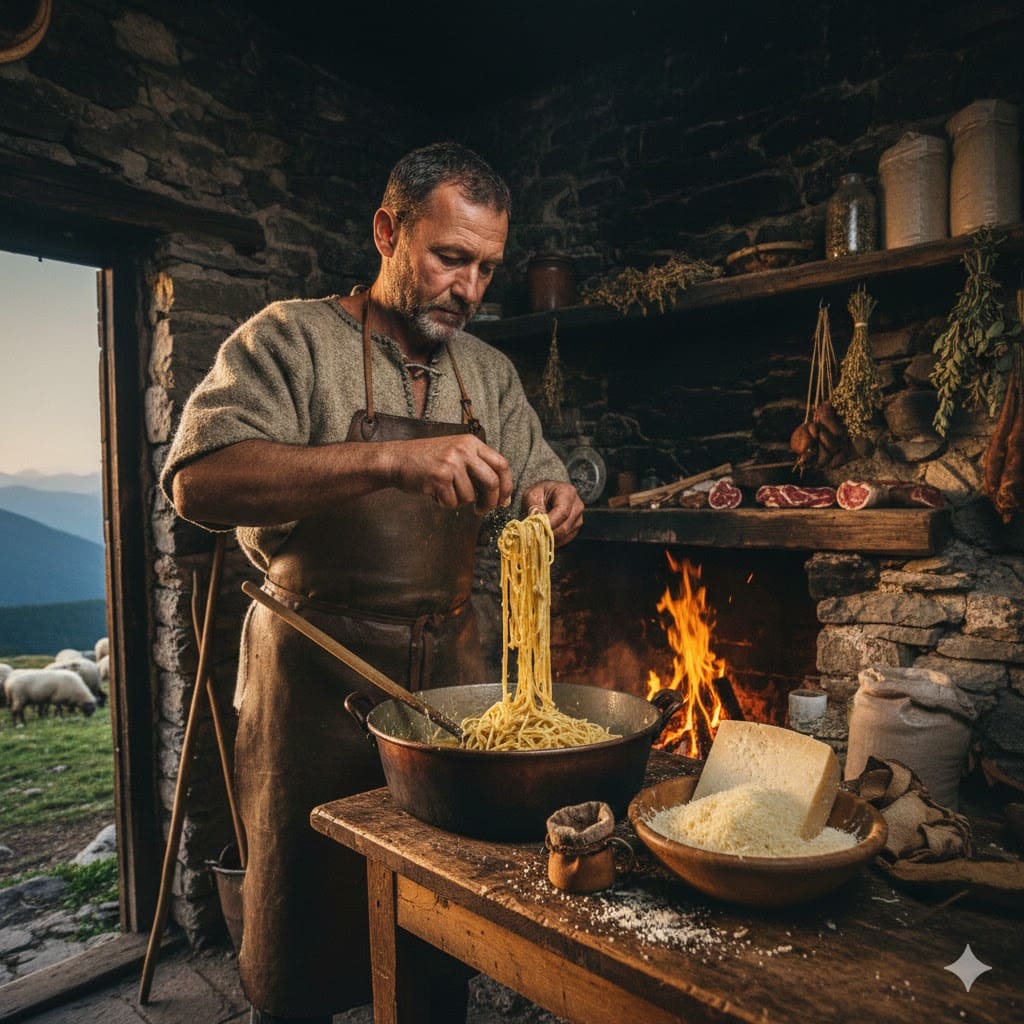
Cucina Povera: From Shepherds to Roman Tables
As shepherds moved through Lazio, their simple meals influenced local Roman cooking. By the Middle Ages, cacio e pepe had become a cornerstone of cucina povera, the “poor kitchen” of Rome. Its appeal lay in its simplicity: inexpensive ingredients, minimal preparation, and maximum flavor achieved through technique rather than cost.
The ancient peppers used in the dish were central to its identity, connecting rustic Roman cooking to centuries of spice trade. Pepper was once a luxury, symbolizing wealth and global connection; in cacio e pepe, it became a symbol of resourcefulness and ingenuity.
Technique: Elevating Ancient Peppers
While cacio e pepe contains only three ingredients, achieving the perfect creamy sauce requires skill. The trick lies in emulsifying Pecorino Romano with starchy pasta water and freshly cracked black pepper. This delicate process transforms simple ingredients into a smooth, flavorful sauce without butter or cream.
The ancient peppers—ground at the right time and mixed precisely—unlock the dish’s signature aroma and depth. Mastering this technique has been a mark of culinary expertise for generations of Roman cooks.

A Global Icon with Roots in Ancient Spices
For most of its history, cacio e pepe was a humble, everyday meal. Today, it is celebrated worldwide for its elegance and historical significance. Chefs around the globe admire the way ancient peppers and Pecorino Romano create a dish that is simple yet complex, rustic yet refined.
Even modern variations, such as freshly made tonnarelli or pepper-infused oils, honor the legacy of ancient peppers. Each bite connects diners to centuries of Roman kitchens, medieval spice traders, and shepherds traversing Italy’s mountains.
Why Cacio e Pepe Endures
Cacio e pepe endures because it embodies both simplicity and history. It celebrates the skill of transforming a few ingredients into something extraordinary, and it honors the ancient trade of peppers that brought exotic flavors to Roman tables.
- It reflects survival and ingenuity, originating in shepherds’ need for practical, nourishing meals.
- It showcases technique over extravagance, proving that mastery of basics creates remarkable taste.
- It connects past and present, linking modern diners to centuries of culinary history through the pungent magic of ancient peppers.
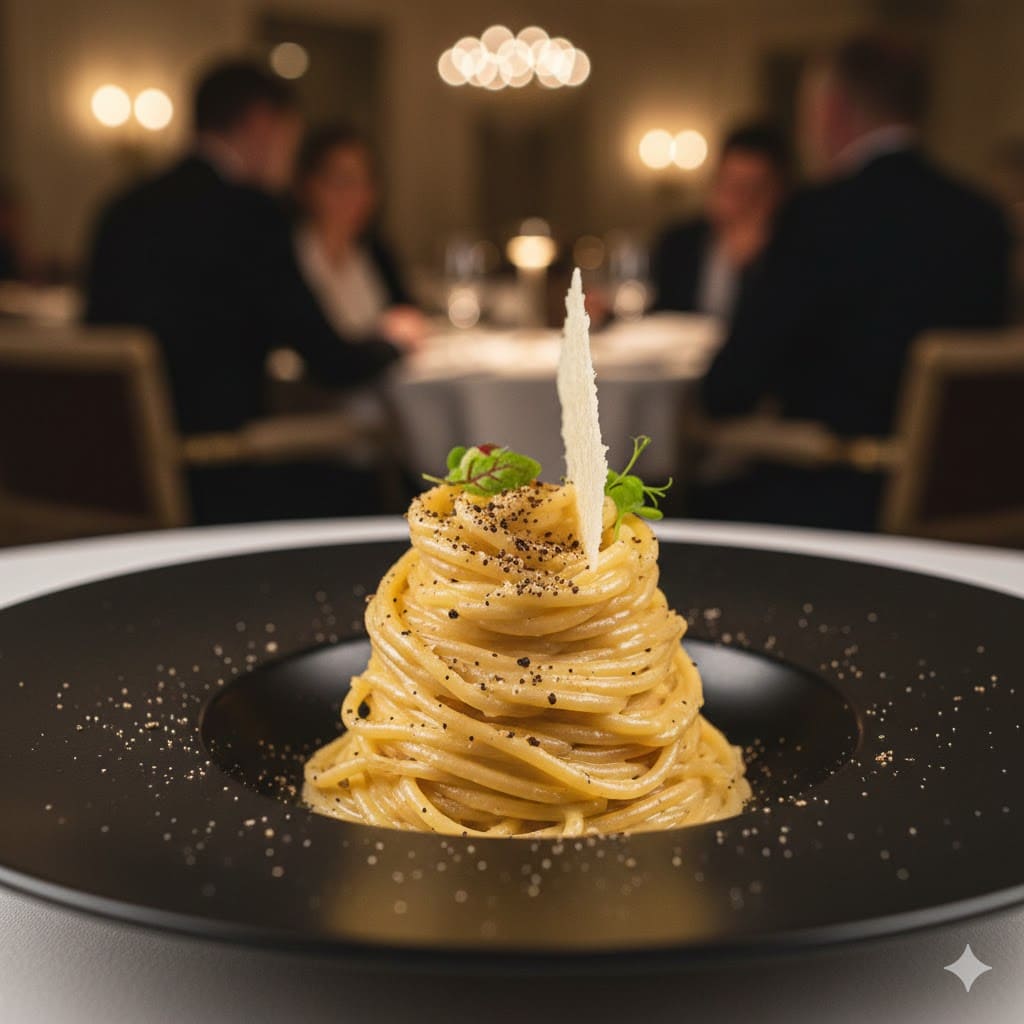
A Timeless Taste of Rome
Whether served in a Roman trattoria or a home kitchen abroad, cacio e pepe reminds us that even the simplest ingredients—pasta, cheese, and ancient peppers—can tell the story of human creativity, trade, and tradition. Its enduring appeal lies in its paradoxical nature: a dish that is both humble and sophisticated, minimal and deeply flavorful.
By savoring cacio e pepe, we taste more than pasta—we taste a piece of history, flavored by the journey of ancient peppers across continents and centuries, now embedded forever in Roman culinary identity.
